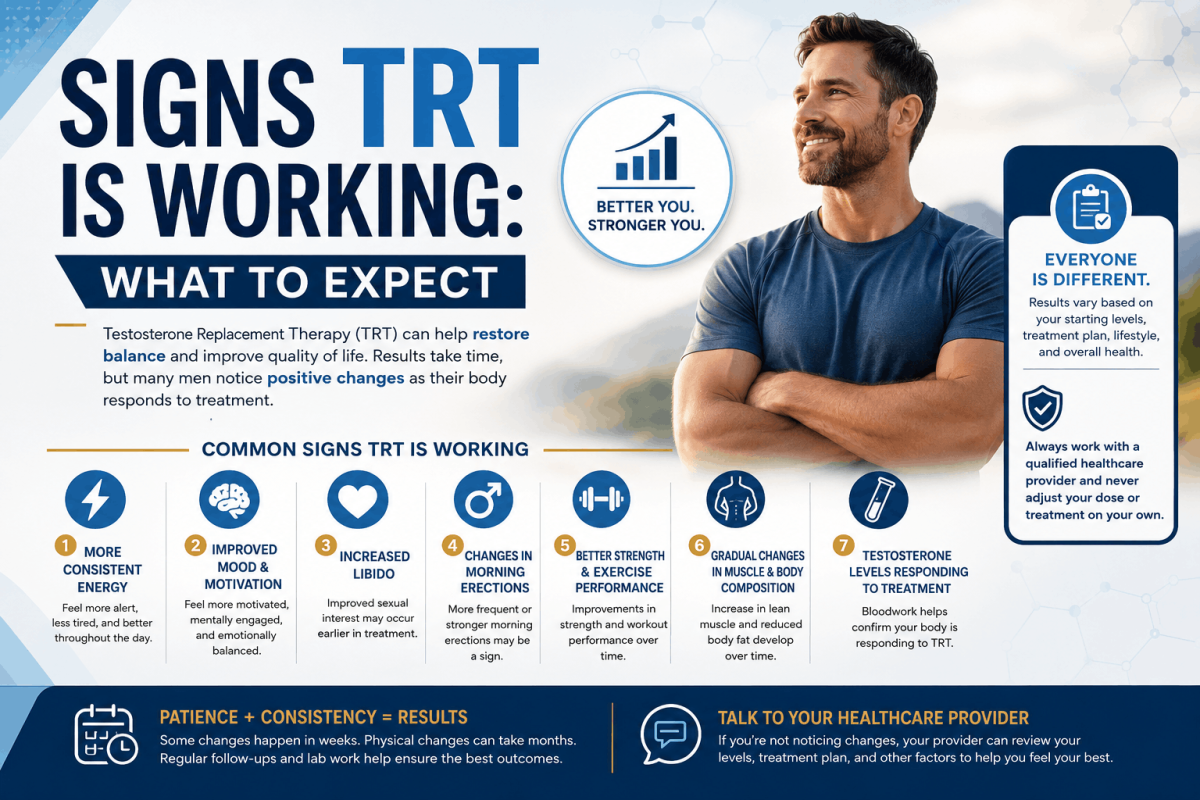
Testosterone plays a crucial role in overall health for both men and women. From regulating mood and energy to maintaining muscle mass and bone density, testosterone is more than just a “male hormone.” If you’re experiencing symptoms like fatigue, low libido, or unexplained weight changes, a trt test can provide valuable insights into your hormone levels. This guide explains how testosterone tests work, what levels mean, and how results can impact your health.
What is a Testosterone Test?
A trt test measures the amount of testosterone in your blood, helping to identify hormonal imbalances. Doctors use this test to diagnose conditions such as low trt (hypogonadism), high trt, or other endocrine disorders.
Testing trt is important for both men and women. Men may notice changes in energy, mood, or sexual function, while women may experience irregular periods, increased hair growth, or acne when trt levels are abnormal.
Types of Testosterone Tests
There are different ways to measure trt, depending on what your doctor wants to assess:
1. Total Testosterone Test
This test measures all trt in your blood, including both bound and free trt. It’s the most common test used to evaluate hormonal health.
2. Free Testosterone Test
Only a small portion of trt is “free” and biologically active. This test measures the hormone available to your body’s tissues and can be more accurate in certain cases.
3. Saliva and Urine Tests
Though less common, saliva and urine tests can also provide insights into trt levels. These methods are usually used for research or tracking hormone fluctuations over time.
Source: MedLinePlus – Testosterone Levels Test
How Testosterone Tests Work
Preparation:
- Doctors often recommend testing in the morning when trt levels are highest.
- Avoid heavy exercise, alcohol, or certain medications before testing, as they can affect results.
During the Test:
- A healthcare professional typically draws blood from a vein in your arm.
- The process takes just a few minutes and is generally painless.
After the Test:
- Results are usually available within a few days.
- Your doctor will interpret your levels and determine if follow-up testing or treatment is needed.
Understanding Testosterone Levels
Trt levels vary by age, sex, and individual health.
Normal Ranges:
- Men: 300–1,000 ng/dL
- Women: 15–70 ng/dL
Signs of Low Testosterone:
- Fatigue and low energy
- Reduced libido or erectile dysfunction
- Loss of muscle mass or strength
- Mood changes, including depression
Signs of High Testosterone:
- Acne or oily skin
- Increased hair growth (especially in women)
- Mood swings or irritability
- Risk of cardiovascular issues in extreme cases
Factors such as age, stress, sleep patterns, and certain medications can also influence testosterone levels.
Interpreting Your Testosterone Test Results
When reviewing your trt test results, your doctor considers:
- Your age and sex
- Symptoms you’re experiencing
- Other lab results, including free and total trt
If levels are abnormal, your doctor may recommend:
- Repeat testing to confirm results
- Hormone replacement therapy (HRT)
- Lifestyle changes like diet, exercise, and stress management
Tips for Accurate Testosterone Testing
To ensure accurate results:
- Schedule tests in the morning
- Avoid heavy exercise or alcohol before testing
- Inform your doctor of any medications or supplements you take
- Follow up regularly if you’re monitoring hormone therapy
Source: HarvardHealthPublishing – Testosterone: What it is and how it affects your health

FAQs About Testosterone Testing
Can women take trt tests?
Yes, women can and should test trt if they experience symptoms like irregular periods, acne, or hair growth.
How often should men check testosterone?
Men with symptoms or those over 40 may benefit from annual testing, but your doctor will provide personalized guidance.
Is the test painful or risky?
Most people experience only mild discomfort from the blood draw. Serious risks are extremely rare.
Conclusion
A trt test is a simple but powerful tool to understand your hormonal health. Knowing your levels can help you take control of symptoms, improve energy, and maintain overall well-being. Whether you’re experiencing signs of low or high trt, testing is the first step toward effective management and healthier living.
We Offer Telemedicine Hormone Replacement Therapy Services.
Access expert HRT care from the comfort of your home. We provide virtual consultations in these key cities and regions.
➡️ Start Your Virtual Consultation Today! / Testosterone Replacement Therapy Online Port Saint Lucie
Take the Next Step Toward Optimized Living
Your wellness journey doesn’t end here. It evolves with the right guidance, research, and support.
Subscribe to Hormone Online Insights
Connect with a Hormone Specialist
Explore Our Evidence Based Resource Library