Hormones influence almost every major function in the body. They help regulate metabolism, growth, reproduction, sleep, mood, energy, and sexual health. When hormone levels become too high, too low, or fall out of balance, symptoms may affect your daily life.
Hormone therapy refers to medical treatments that replace, supplement, regulate, or block hormones to address specific health conditions. One familiar example is hormone replacement therapy (HRT), which helps manage certain symptoms associated with menopause. Other treatments include testosterone replacement therapy (TRT), thyroid hormone replacement, and hormone-blocking medications for certain cancers.
But how does hormone therapy work? What types are available, and who may benefit?
This guide explains the different types of hormone therapy, their potential benefits and risks, and what you should consider before starting treatment.
What Is Hormone Therapy?
Hormone therapy changes hormone levels or activity in the body to treat a specific medical condition. Depending on the diagnosis, treatment may replace a hormone that the body does not produce in sufficient amounts, supplement declining hormone levels, or block the effects of certain hormones.
Hormones act as chemical messengers. Endocrine glands and other tissues produce them, and they travel through the bloodstream to communicate with different organs and cells.
Some important hormones include:
-
Estrogen: Supports reproductive health, menstrual function, bone health, and other processes.
-
Progesterone: Helps regulate the menstrual cycle and supports pregnancy.
-
Testosterone: Contributes to sexual function, muscle and bone health, and red blood cell production.
-
Thyroid hormones: Help regulate metabolism, body temperature, and energy use.
-
Cortisol: Helps the body respond to stress and supports several metabolic functions.
-
Insulin: Helps regulate blood glucose levels.
When the body produces too much or too little of a hormone, certain health conditions may develop. A medical evaluation can help identify the cause and determine whether hormone therapy makes sense.
Keep in mind that hormone therapy does not refer to one specific medication or treatment plan. The right hormone, dosage, delivery method, and treatment goals depend on your diagnosis and individual health needs.
How Does Hormone Therapy Work?
Hormone therapy changes the amount or activity of a particular hormone. The treatment approach depends on the condition and whether your body needs more of a hormone, less of it, or help regulating its effects.
1. Replacing hormones that are too low
Some medical conditions prevent the body from producing enough of a particular hormone.
For example, people with hypothyroidism do not produce enough thyroid hormone. Doctors often prescribe levothyroxine to replace the hormone the thyroid gland cannot make adequately.
Similarly, men with confirmed testosterone deficiency may qualify for testosterone replacement therapy.
2. Supplementing hormones during natural hormonal changes
Hormone levels naturally change throughout life.
For example, estrogen levels fluctuate during perimenopause and decline after menopause. These changes can contribute to hot flashes, night sweats, vaginal dryness, and sleep disturbances.
Menopausal hormone therapy can supply estrogen, with or without a progestogen, to help manage appropriate symptoms.
3. Blocking hormone activity
Not every hormone treatment adds hormones to the body.
Some medications reduce hormone production or prevent hormones from interacting with their receptors. Doctors may use these treatments for certain hormone-sensitive cancers, including some breast and prostate cancers.
This approach differs from hormone replacement therapy because it reduces or blocks hormone activity rather than replacing a deficiency.
The goal in every case is to address a specific medical condition, not simply to increase hormone levels.
What Are the Different Types of Hormone Therapy?
Several forms of hormone therapy address different health conditions. Your diagnosis, medical history, and treatment goals help determine which option may suit your needs.
1. Hormone Replacement Therapy (HRT) for Women
Hormone replacement therapy, also called menopausal hormone therapy (MHT), helps manage certain symptoms associated with perimenopause and menopause.
During menopause, the ovaries gradually reduce their estrogen production. This transition can cause symptoms that vary in type and severity from person to person.
Common symptoms include:
-
Hot flashes.
-
Night sweats.
-
Vaginal dryness.
-
Pain or discomfort during sexual activity.
-
Sleep disturbances.
-
Mood changes.
-
Other symptoms associated with menopause.
Depending on your needs, a healthcare professional may recommend estrogen alone or estrogen combined with a progestogen.
Estrogen-only therapy may suit many people who have had a hysterectomy.
Combined estrogen-progestogen therapy generally suits people with an intact uterus who use systemic estrogen. The progestogen helps protect the uterine lining from excessive estrogen stimulation, which can otherwise increase the risk of endometrial hyperplasia and cancer.
HRT comes in several forms, including:
-
Oral tablets.
-
Skin patches.
-
Topical gels.
-
Sprays.
-
Vaginal creams.
-
Vaginal tablets.
-
Vaginal rings.
Your healthcare provider can help select the appropriate formulation based on your symptoms, medical history, preferences, and treatment goals.
2. Testosterone Replacement Therapy (TRT) for Men
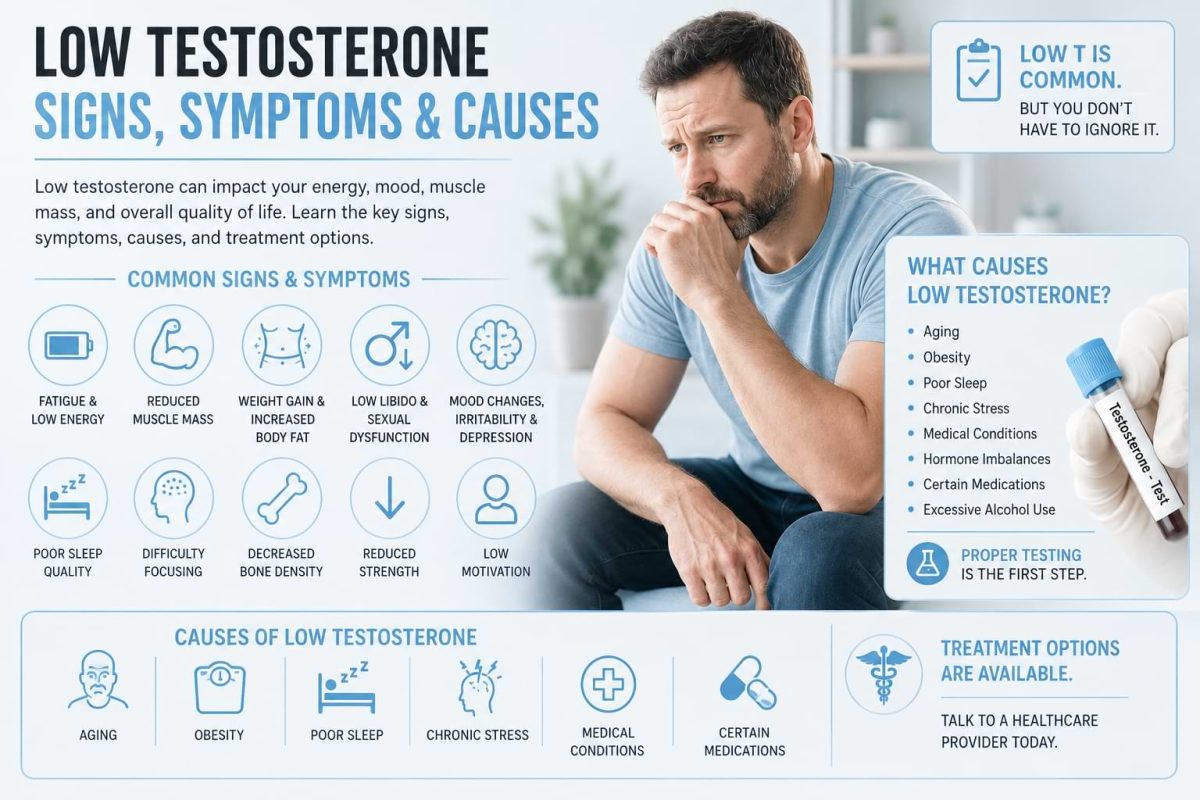
Testosterone supports several important functions, including sexual development, libido, muscle maintenance, bone health, and red blood cell production.
Low testosterone may contribute to symptoms such as:
-
Reduced sexual desire.
-
Erectile difficulties.
-
Persistent fatigue.
-
Reduced muscle mass.
-
Increased body fat.
-
Low mood or irritability.
-
Reduced physical performance.
-
Decreased bone density.
However, these symptoms can have many causes. Doctors generally diagnose testosterone deficiency when a man has compatible symptoms and consistently low testosterone levels confirmed through appropriately timed blood tests.
TRT comes in different forms, including:
-
Testosterone injections.
-
Topical testosterone gels.
-
Transdermal patches.
-
Other approved formulations, depending on availability.
Treatment requires medical supervision and regular monitoring. Testosterone therapy is not appropriate for everyone. In particular, external testosterone can suppress sperm production, so men planning to have children should discuss fertility before starting treatment.
3. Thyroid Hormone Replacement Therapy
The thyroid gland produces hormones that regulate metabolism, energy use, body temperature, and several other functions.
When the thyroid does not produce enough hormone, a condition called hypothyroidism may develop.
Possible symptoms include:
-
Fatigue.
-
Feeling unusually cold.
-
Constipation.
-
Dry skin.
-
Weight changes.
-
Slower heart rate.
-
Difficulty concentrating.
Doctors commonly treat hypothyroidism with levothyroxine, a medication that replaces thyroid hormone.
Unlike some forms of hormone therapy, thyroid replacement aims to restore appropriate hormone levels rather than address age-related hormonal changes.
Your healthcare provider will determine the dose and monitor your response through blood tests.
4. Growth Hormone Therapy
The pituitary gland produces growth hormone, which helps regulate growth, metabolism, and body composition.
Prescription growth hormone therapy may help people with confirmed growth hormone deficiency and certain other approved medical conditions.
Doctors may prescribe it for children with specific growth-related conditions and adults with diagnosed growth hormone deficiency.
However, growth hormone therapy does not serve as an established anti-aging treatment for healthy adults. People should not use it simply to improve appearance, increase muscle mass, or lose weight without a valid medical indication.
Because this treatment can cause side effects and requires monitoring, an appropriately qualified healthcare professional must supervise its use.
5. Hormone Therapy for Gender-Affirming Care
Some transgender and gender-diverse people use gender-affirming hormone therapy as part of their individualized healthcare.
Depending on a person’s goals and medical circumstances, treatment may involve estrogen, testosterone, or medications that modify certain hormone effects.
A qualified healthcare professional should develop the treatment plan around the person’s health history, goals, and clinical needs.
6. Hormone Therapy for Certain Cancers
Doctors also use hormone therapy to treat certain cancers, particularly some breast and prostate cancers that depend on hormones to grow.
Unlike hormone replacement therapy, cancer-related hormone therapy often blocks hormone production or prevents hormones from stimulating cancer cells.
Depending on the cancer, treatment may involve medications that block hormone receptors, reduce hormone production, or otherwise interfere with hormone activity.
This specialized cancer treatment differs from HRT for menopause and TRT for testosterone deficiency.
What Are the Potential Benefits of Hormone Therapy?
The benefits depend on the type of treatment and the medical condition it addresses.
When a healthcare professional prescribes hormone therapy for an appropriate medical reason, it may relieve symptoms, restore deficient hormone levels, or help manage certain hormone-related conditions.
1. Relief from Menopause Symptoms
For people with bothersome menopausal symptoms, systemic hormone therapy offers an effective treatment for hot flashes and night sweats.
Depending on the formulation, treatment may also improve sleep disruption associated with these symptoms.
Low-dose vaginal estrogen can help manage genitourinary symptoms of menopause, including vaginal dryness and discomfort.
2. Support for Sexual Health
Hormonal changes can affect sexual desire and function.
For some people, treating an underlying hormone deficiency or menopause-related symptoms may improve aspects of sexual well-being.
However, sexual health involves more than hormone levels. Cardiovascular health, medications, mental health, relationship concerns, and other medical conditions can also influence sexual function.
Hormone therapy does not guarantee an improvement in libido or erectile function.
3. Bone Health Support
Estrogen helps maintain bone density. After menopause, declining estrogen levels can accelerate bone loss.
For appropriately selected patients, menopausal hormone therapy can help prevent bone loss and reduce fracture risk while treatment continues.
However, hormone therapy does not automatically serve as the best osteoporosis treatment for everyone. Your healthcare provider should consider your individual risk factors and discuss other available options.
4. Treatment of Confirmed Testosterone Deficiency
In men with properly diagnosed hypogonadism, testosterone replacement therapy may improve sexual desire and other symptoms associated with testosterone deficiency.
Some patients may also experience improvements in anemia, bone density, and body composition.
Results vary from person to person. Doctors should not prescribe TRT solely because of age, fatigue, or a desire to improve athletic performance.
5. Restoration of Thyroid Hormone Levels
For people with hypothyroidism, thyroid hormone replacement can restore appropriate hormone levels and improve symptoms caused by inadequate thyroid hormone production.
When hypothyroidism causes fatigue, temperature sensitivity, constipation, or other symptoms, treatment may help improve these problems.
What Are the Risks and Side Effects of Hormone Therapy?
Hormone therapy can offer meaningful benefits, but it also carries potential risks.
The specific medication, dosage, delivery method, treatment duration, and your medical history all influence those risks.
Potential risks of menopausal hormone therapy
Systemic menopausal hormone therapy may increase the risk of certain health problems in some people, including:
-
Blood clots.
-
Stroke.
-
Gallbladder disease.
-
Breast cancer with some estrogen-progestogen regimens, particularly with longer use.
-
Endometrial cancer when someone with a uterus uses systemic estrogen without adequate progestogen.
Not every treatment carries the same risk profile. Estrogen-only therapy, combined therapy, oral medication, transdermal patches, and low-dose vaginal estrogen have different benefits and risks.
For example, oral estrogen generally carries a higher risk of venous blood clots than transdermal estrogen. However, transdermal treatment does not eliminate all risks.
Potential risks of testosterone therapy
TRT may cause:
-
Acne or oily skin.
-
Increased red blood cell count.
-
Fluid retention.
-
Breast tenderness.
-
Reduced sperm production and fertility.
-
Worsening of certain sleep-related breathing problems.
-
Changes in blood pressure.
Your healthcare provider should monitor testosterone levels, hematocrit, blood pressure, and prostate-related considerations when relevant.
Potential risks of other hormone treatments
Growth hormone therapy, thyroid replacement, and other hormone treatments also carry condition-specific risks.
For example, excessive thyroid hormone replacement may contribute to heart rhythm problems and bone loss. Growth hormone treatment may cause fluid retention, joint discomfort, and changes in glucose regulation.
These risks highlight the importance of an accurate diagnosis, appropriate dosing, and regular medical follow-up.
Who May Be a Candidate for Hormone Therapy?
Hormone therapy may suit people with certain diagnosed conditions or symptoms that respond to treatment.
Examples include:
-
People experiencing moderate to severe menopause symptoms.
-
People with confirmed testosterone deficiency and compatible symptoms.
-
People with hypothyroidism.
-
People with diagnosed growth hormone deficiency.
-
People receiving specialized hormone treatment for cancer or gender-affirming care.
However, symptoms alone do not automatically mean you need hormone therapy.
Fatigue, weight changes, low mood, poor sleep, reduced libido, and brain fog can have many possible causes. A healthcare professional should investigate those symptoms before recommending treatment.
Who may need to avoid or carefully evaluate hormone therapy?
Some medical conditions can make certain hormone treatments unsuitable or require specialist assessment.
For menopausal hormone therapy, examples include a history of certain hormone-sensitive cancers, unexplained vaginal bleeding, previous blood clots, stroke, heart attack, or significant liver disease.
Testosterone therapy also has important contraindications and precautions. These include fertility plans and certain prostate or cardiovascular considerations.
Never begin hormone therapy based only on symptoms, online recommendations, or a laboratory result without appropriate clinical interpretation.
What to Expect Before Starting Hormone Therapy
Starting hormone therapy involves more than choosing a medication.
A healthcare professional should review your symptoms, medical history, current medications, and treatment goals before recommending an option.
The process may include the following steps.
Step 1: Discuss your symptoms and medical history
Your provider may ask about changes in energy, sleep, mood, sexual health, menstrual patterns, weight, and other symptoms.
They may also review your existing medical conditions, previous treatments, family history, and current medications.
Step 2: Complete appropriate testing
The tests you need depend on the condition your provider suspects.
For example:
-
Men with possible testosterone deficiency may need repeat morning testosterone measurements.
-
People with possible thyroid disorders may need thyroid-stimulating hormone (TSH) and free thyroxine (T4) testing.
-
Healthcare professionals can often diagnose menopause clinically based on age and symptoms, without routine hormone testing.
-
Other tests may help investigate symptoms that suggest a different medical condition.
No single hormone panel can diagnose every hormone-related condition.
Step 3: Review treatment options
Your provider can explain which treatments may suit your condition. They should also discuss available formulations, potential benefits, risks, and alternatives.
The treatment plan should address your diagnosis rather than follow a general goal of increasing hormone levels.
Step 4: Begin treatment if appropriate
If your provider recommends hormone therapy, follow the prescribed dosage and administration instructions.
Never increase, decrease, or combine hormone medications without medical advice.
Step 5: Attend follow-up appointments
Regular follow-up helps your provider assess treatment response, identify side effects, and decide whether you need adjustments.
The type and frequency of monitoring depend on your medication and individual health circumstances.
How Long Does Hormone Therapy Take to Work?
The time needed to notice changes varies according to the treatment and the condition it addresses.
Some people notice improvements within a few weeks, while others may need several months.
For example, some menopausal symptoms may improve relatively quickly after starting systemic hormone therapy. Other benefits, such as changes in bone health, require longer-term assessment.
Testosterone therapy also takes time to affect different symptoms. Changes in sexual desire, body composition, and physical function do not necessarily happen at the same rate.
Thyroid hormone replacement may require dose adjustments based on follow-up laboratory tests.
There is no universal timeline for all hormone treatments. Your healthcare professional can explain what to expect from your specific medication.
Frequently Asked Questions About Hormone Therapy
Is hormone therapy the same as HRT?
Not exactly. Hormone therapy is a broad term for treatments that add, replace, regulate, or block hormones. HRT usually refers to hormone replacement therapy, which commonly helps manage menopause symptoms or replace deficient hormones.
What is the most common type of hormone therapy?
Menopausal hormone therapy is one of the best-known forms of hormone replacement treatment. Other common forms include thyroid hormone replacement and testosterone therapy for appropriately diagnosed deficiency.
Does hormone therapy help with weight loss?
Hormone therapy does not serve as a general weight-loss treatment. Treating a confirmed hormonal condition may improve related symptoms or metabolic function, but doctors should not prescribe hormone medications simply to help someone lose weight.
Can hormone therapy improve energy levels?
It may help when a specific hormone deficiency or condition causes fatigue and responds to treatment. However, fatigue has many possible causes, so hormone therapy does not offer a universal solution for low energy.
Is hormone therapy safe?
Hormone therapy can provide effective treatment for selected patients, but it is not risk-free. Safety depends on the medication, dose, treatment duration, medical history, and individual risk factors. A healthcare professional should review these factors before treatment.
Do men and women need different types of hormone therapy?
Treatment often differs because men and women may have different hormone-related conditions and treatment goals. For example, menopausal hormone therapy commonly involves estrogen with or without a progestogen, while TRT treats men with confirmed testosterone deficiency. Healthcare professionals should individualize every treatment plan.
Can I start hormone therapy without testing?
It depends on the suspected condition. Healthcare professionals can make some menopause-related treatment decisions based on symptoms and medical history. Other conditions, such as testosterone deficiency and thyroid disorders, require appropriate laboratory evaluation. Your clinician can determine which tests you need.

Final Thoughts: Understanding Your Hormone Therapy Options
Hormone therapy includes several medical treatments that address different hormone-related conditions. Depending on your diagnosis, treatment may involve replacing estrogen, treating testosterone deficiency, restoring thyroid hormone levels, or blocking hormone activity.
The potential benefits include relief from menopause symptoms, treatment of confirmed hormone deficiencies, and better management of certain medical conditions. However, hormone therapy also carries risks, and the right treatment varies from person to person.
Start by understanding what causes your symptoms before choosing a treatment. A qualified healthcare professional can review your medical history, recommend appropriate testing, and help determine whether hormone therapy suits your needs.
At Hormone Online, we believe that informed decisions and individualized medical guidance are important parts of hormone health. If you are exploring HRT, TRT, or other hormone-related services, learn more about our offerings or contact our team.
Visit Hormone Online or contact us to learn more.
Medical Disclaimer
This article is intended for educational and informational purposes only. It does not replace professional medical advice, diagnosis, or treatment. Hormone therapy is not appropriate for everyone, and treatment decisions should reflect individual medical history, clinical evaluation, and appropriate testing. Do not start, stop, or change hormone medication without consulting a qualified healthcare professional.
We Offer Telemedicine Hormone Replacement Therapy Services.
Access expert HRT care from the comfort of your home. We provide virtual consultations in these key cities and regions.
➡️ Start Your Virtual Consultation Today! / Hormone Replacement Therapy Port Saint Lucie
Take the Next Step Toward Optimized Living
Your wellness journey doesn’t end here. It evolves with the right guidance, research, and support.
Subscribe to Hormone Online Insights
Connect with a Hormone Specialist
Explore Our Evidence Based Resource Library