Over the past century, men’s life expectancy has risen by an impressive 65%, according to the Centers for Disease Control and Prevention (CDC). In 1900, the average man lived to around 46 years old. By 2014, that number had climbed to 76. Today, men are redefining what it means to be in their 50s, 60s, and even 70s.
While regular exercise, a balanced diet, and proper rest remain essential for maintaining energy and vitality, many men are now exploring one of the most advanced options for healthy aging testosterone therapy. In recent years, its use among middle-aged and older men has grown significantly.
What Is Testosterone?
Testosterone is a vital hormone that plays a key role in the development of male external genitalia and secondary sexual characteristics. It’s primarily produced in the testicles and is essential for maintaining:
- Muscle mass
- Bone density
- Red blood cell production
- Sexual and reproductive health
Beyond these physical functions, testosterone also supports overall vitality, mood, and well-being.
As men age, testosterone levels naturally begin to decline typically starting around age 30 and continue to decrease gradually throughout life.
Male Hypogonadism
Some men experience a condition known as male hypogonadism, where the body doesn’t produce enough testosterone. This deficiency can result from issues within the testicles, hypothalamus, or pituitary gland all of which play vital roles in hormone regulation.
Men who are more likely to develop hypogonadism include those who have experienced testicular injury, HIV/AIDS, chemotherapy or radiation therapy, or undescended testicles during infancy.
Common symptoms of male hypogonadism in adulthood may include:
- Decreased sex drive
- Erectile dysfunction
- Reduced muscle mass
- Infertility
- Loss of bone density (osteoporosis)
- Thinning of beard or body hair
- Development of breast tissue
- Fatigue and low energy
- Difficulty concentrating
Source: Healthline – Hypogonadism
Treatments for Male Hypogonadism
Doctors can diagnose male hypogonadism through a combination of physical examinations and blood tests. If low testosterone levels are detected, additional tests may be conducted to identify the underlying cause.
The most common treatment is testosterone replacement therapy (TRT), which can be administered through:
- Injections
- Skin patches
- Topical gels
TRT has been shown to help:
- Boost energy and vitality
- Increase muscle mass and strength
- Improve sexual function
However, experts emphasize that more research is needed to fully understand the long-term safety and potential risks of ongoing testosterone therapy.
Source: Healthline – Hypogonadism: Types, Causes, Symptoms, Treatment, Outlook

TRT for Healthy Men
As men age, they often experience changes that resemble the symptoms of hypogonadism. However, these shifts aren’t always tied to a medical condition many are simply a normal part of aging. Common age-related changes may include:
- Altered sleep patterns and sexual function
- Increased body fat
- Reduced muscle mass
- Lower motivation or self-confidence
According to the Mayo Clinic, testosterone replacement therapy (TRT) can be beneficial for men diagnosed with hypogonadism. However, its effects on men with normal testosterone levels or those experiencing age-related decline remain unclear. More in-depth studies are needed to determine its overall safety and effectiveness.
Risks of Testosterone Therapy
Research results on TRT’s benefits for otherwise healthy men are mixed. Some studies suggest potential advantages, while others highlight significant long-term risks prompting healthcare professionals to exercise caution.
A major 2010 meta-analysis of 51 studies found that existing safety data on TRT was of low quality and failed to fully address potential long-term side effects.
The Mayo Clinic warns that TRT may:
- Worsen sleep apnea
- Cause acne or skin irritation
- Reduce sperm production
- Shrink the testicles
- Enlarge breast tissue
- Increase the risk of heart disease
Additionally, low testosterone levels themselves are linked to health risks such as stroke, heart attack, and hip fractures.
Past concerns connected TRT to prostate cancer, but newer research including two 2015 studies does not support a link between testosterone replacement and:
- Developing prostate cancer
- More aggressive prostate cancer
- Cancer recurrence after treatment
If you have male hypogonadism or confirmed low testosterone, consult your doctor about whether TRT is appropriate. Together, you can discuss the potential benefits, risks, and monitoring plan.
Source: Hardvard Medical School – Is testosterone therapy safe? Take a breath before you take the plunge
Alternative Treatments
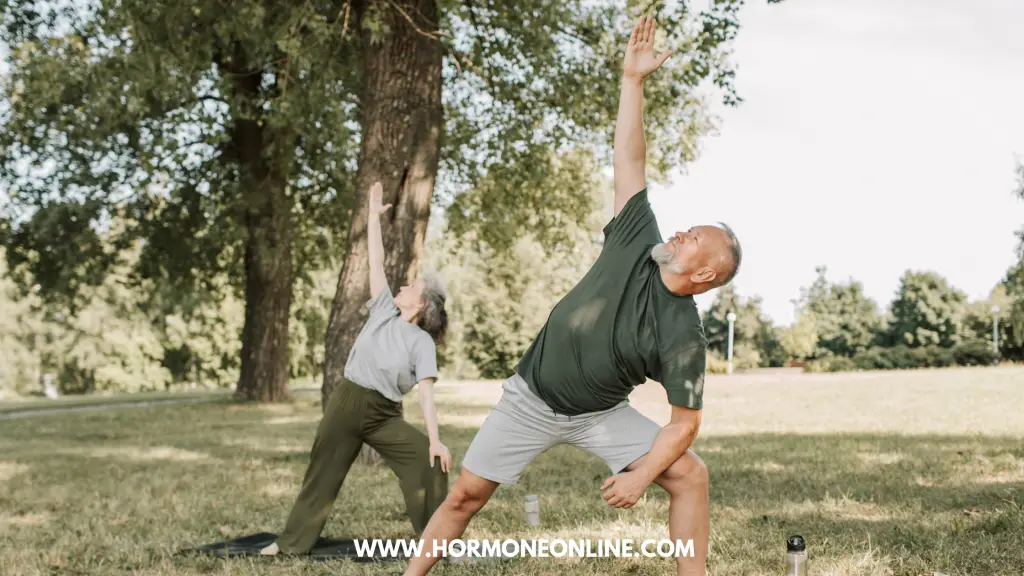
If you don’t have hypogonadism but want to feel more energetic and youthful, certain lifestyle changes can help boost testosterone naturally no hormone therapy required.
- Maintain a healthy weight: Excess body fat is linked to lower testosterone; weight loss can help restore balance.
- Exercise regularly: Strength training and consistent movement stimulate testosterone production.
- Get 7–8 hours of sleep nightly: Poor sleep disrupts hormonal balance.
- Take vitamin D supplements: A 2011 study found that 3,300 IU of vitamin D daily may raise testosterone levels.
- Drink coffee in moderation: A 2008 study suggests caffeine can temporarily boost testosterone.
- Increase zinc intake: Zinc deficiency is associated with low testosterone and hypogonadism.
- Eat more nuts and beans: These foods contain D-aspartic acid, which supports testosterone synthesis.
The Takeaway
Testosterone replacement therapy can effectively restore hormone levels in men with hypogonadism, often improving energy, libido, and overall well-being. However, its long-term safety and benefits for healthy men or those with age-related decline remain uncertain.
Lifestyle changes including exercise, proper sleep, balanced nutrition, and maintaining a healthy weight offer safe, natural ways to support healthy testosterone levels. Always talk to your doctor before starting TRT or any supplement regimen to determine the best approach for your needs.
We Offer Telemedicine Hormone Replacement Therapy Services.
Access expert HRT care from the comfort of your home. We provide virtual consultations in these key cities and regions.
➡️ Start Your Virtual Consultation Today! / Testosterone replacement therapy online Port Saint Lucie
Take the Next Step Toward Optimized Living
Your wellness journey doesn’t end here. It evolves with the right guidance, research, and support.
Subscribe to Hormone Online Insights
Connect with a Hormone Specialist
Explore Our Evidence Based Resource Library