Testosterone plays an important role in men’s health. It helps regulate muscle development, bone strength, red blood cell production, sexual function, and several other processes throughout the body. However, when testosterone levels become consistently low, some men may experience changes that affect their physical health, energy, mood, and quality of life.
Testosterone Replacement Therapy (TRT) is a medical treatment designed to restore testosterone levels in men with diagnosed testosterone deficiency, also known as hypogonadism.
But how does TRT actually work? What happens after treatment begins? And how long does it take to notice changes?
Understanding the science behind TRT can help you make informed decisions about your health. This guide explains how testosterone works, how replacement therapy affects the body, who may benefit, and what to expect throughout treatment.
What Is Testosterone and Why Does It Matter?
Testosterone is the primary androgen hormone in men. The testes produce most of the body’s testosterone, while the adrenal glands contribute smaller amounts of androgen hormones.
The brain helps regulate testosterone production through a communication system involving the hypothalamus and pituitary gland.
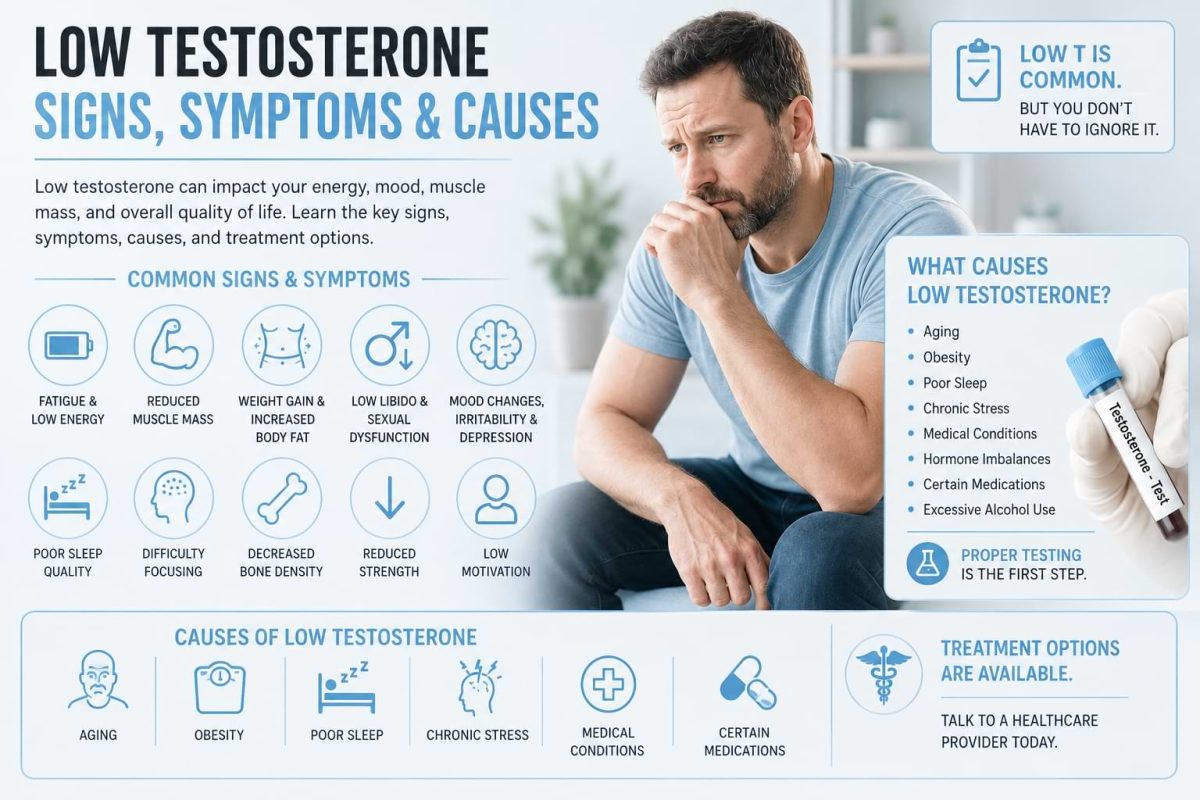
Testosterone supports several important functions, including:
-
Muscle development: It helps support muscle protein synthesis and the maintenance of lean body mass.
-
Bone health: It contributes to bone mineral density and skeletal strength.
-
Sexual function: It plays a role in sexual desire and normal reproductive function.
-
Red blood cell production: It supports the production of red blood cells.
-
Body composition: It influences the balance between muscle and fat tissue.
-
Mood and well-being: It interacts with systems involved in mood, motivation, and emotional health.
Testosterone levels naturally change throughout life. However, persistently low levels accompanied by compatible symptoms may indicate a medical condition that deserves evaluation.
What Causes Low Testosterone?
Low testosterone can develop for several reasons. Doctors generally classify testosterone deficiency into two main categories.
1. Primary Hypogonadism
Primary hypogonadism occurs when the testes cannot produce enough testosterone, even when the brain sends appropriate signals.
Possible causes include:
-
Testicular injury or damage.
-
Certain genetic conditions.
-
Previous chemotherapy or radiation treatment.
-
Testicular infections or inflammation.
-
Certain medical conditions affecting testicular function.
2. Secondary Hypogonadism
Secondary hypogonadism occurs when the hypothalamus or pituitary gland does not send the appropriate signals to stimulate testosterone production.
Potential causes include:
-
Pituitary or hypothalamic disorders.
-
Certain medications, including opioids.
-
Significant obesity or metabolic illness.
-
Severe or prolonged systemic illness.
-
Excessive physical or physiological stress in some circumstances.
Some men also experience functional suppression of testosterone production related to obesity, sleep disorders, medications, or other health conditions. In these situations, treating the underlying cause may improve testosterone levels without immediately requiring replacement therapy.
How Does Testosterone Replacement Therapy Work?
TRT works by supplying testosterone from an external source to raise low circulating testosterone levels into an appropriate physiological range.
The treatment aims to restore testosterone levels and improve symptoms associated with confirmed testosterone deficiency.
To understand the process, it helps to look at how the body’s natural hormone system works.
The Brain-Testes Connection
The hypothalamus and pituitary gland regulate testosterone production through a process called the hypothalamic-pituitary-gonadal (HPG) axis.
Here is a simplified explanation:
-
The hypothalamus releases gonadotropin-releasing hormone (GnRH).
-
GnRH signals the pituitary gland to release luteinizing hormone (LH) and follicle-stimulating hormone (FSH).
-
LH stimulates specialized cells in the testes, called Leydig cells, to produce testosterone.
-
FSH works with testosterone to support sperm production in the testes.
This system helps the body maintain normal reproductive and hormonal functions.
What Happens When You Start TRT?
When a man receives testosterone through injections, gels, patches, or another approved formulation, the hormone enters his circulation.
It then travels through the bloodstream and binds to androgen receptors in different tissues.
These receptors help regulate biological processes involved in:
-
Muscle protein development.
-
Red blood cell production.
-
Bone maintenance.
-
Sexual function.
-
Changes in body composition.
Testosterone can also convert into other hormones through natural enzymes. For example, aromatase converts some testosterone into estradiol, while 5-alpha-reductase converts some testosterone into dihydrotestosterone (DHT).
These hormones also have important roles in the body.
However, external testosterone affects the brain’s natural hormone feedback system. As circulating testosterone rises, the hypothalamus and pituitary gland reduce their signaling. This can lower LH and FSH levels and reduce the testes’ own testosterone production.
This is one of the most important things to understand about TRT: Although treatment can restore circulating testosterone, it can also suppress sperm production and reduce fertility.

Who May Benefit From TRT?
TRT may benefit men who have compatible symptoms and consistently low testosterone levels confirmed through appropriate laboratory testing.
Common symptoms associated with testosterone deficiency include:
-
Reduced sexual desire.
-
Fewer spontaneous or morning erections.
-
Erectile difficulties.
-
Reduced muscle mass or strength.
-
Increased body fat.
-
Low energy or persistent fatigue.
-
Low mood or reduced motivation.
-
Reduced bone density.
-
Unexplained anemia in some cases.
However, these symptoms can have many causes. Fatigue, weight gain, poor sleep, and mood changes do not automatically mean testosterone levels are low.
A proper medical evaluation helps identify whether testosterone deficiency is responsible or whether another condition needs attention.
How Is Low Testosterone Diagnosed?
A blood test is an important part of diagnosing testosterone deficiency, but one result alone is usually not enough.
The Endocrine Society recommends diagnosing hypogonadism when a man has compatible symptoms or signs and consistently low testosterone levels.
A typical evaluation includes:
1. Morning Testosterone Testing
Testosterone levels fluctuate throughout the day and are generally higher in the morning.
Clinicians commonly measure total testosterone using an accurate blood test taken in the morning, preferably while fasting.
2. Repeat Testing
A low result should generally be confirmed with a second morning measurement on a separate day.
This helps reduce the chance of diagnosing testosterone deficiency based on a temporary change or an inaccurate result.
3. Additional Hormone Testing
Depending on the results, a clinician may request:
-
Free testosterone when total testosterone is borderline or sex hormone-binding globulin (SHBG) may affect interpretation.
-
LH and FSH to help distinguish primary from secondary hypogonadism.
-
Prolactin when secondary hypogonadism is suspected.
-
Other tests to investigate possible underlying conditions.
4. Review of Overall Health
Your healthcare professional may also review medications, sleep patterns, weight, medical history, fertility goals, and other health concerns.
This helps determine whether TRT is appropriate and whether another condition should be addressed first.
For a more detailed explanation of testing and hormone levels, read our guide to Testosterone Replacement Therapy: A Beginner’s Guide.
What Are the Different Types of TRT?
Testosterone replacement therapy comes in several forms. Each option has different application instructions, absorption patterns, advantages, and potential drawbacks.
Your clinician can help determine which method is suitable based on your health, preferences, and treatment goals.
1. Testosterone Injections
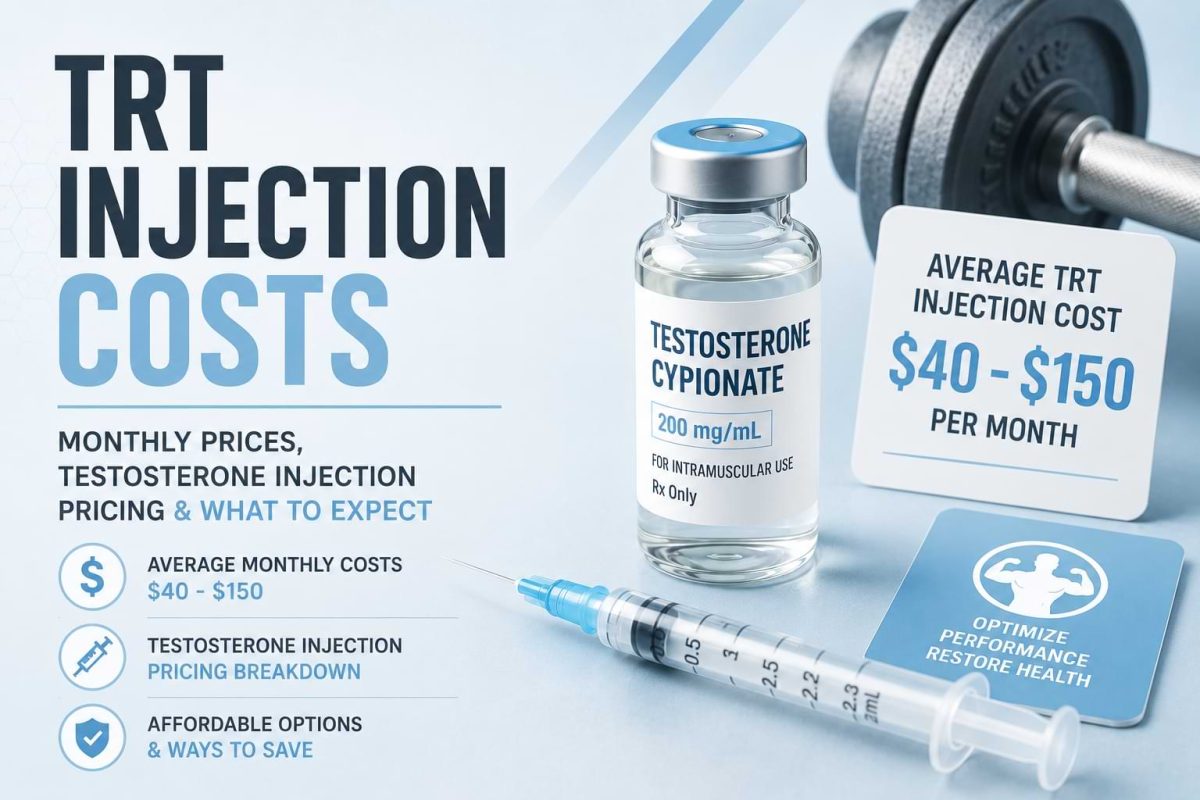
Testosterone injections deliver the hormone directly into muscle or, for certain formulations, under the skin.
Depending on the product, injections may be administered at different intervals.
Potential advantages:
-
Established treatment option.
-
Allows clinicians to adjust dosing based on laboratory results and symptoms.
-
May be convenient for men who prefer injections.
Considerations:
-
Injection-site discomfort may occur.
-
Testosterone levels can fluctuate between doses, depending on the formulation and schedule.
-
Regular administration and monitoring are important.
2. Testosterone Gels
Testosterone gels are applied to the skin, where the hormone passes into the bloodstream.
Potential advantages:
-
Convenient daily application.
-
Avoids injections.
-
Can provide relatively steady testosterone delivery when used correctly.
Considerations:
-
Skin irritation may occur.
-
Daily application requires consistency.
-
Testosterone can transfer to another person through skin contact if application and washing instructions are not followed.
Children and pregnant women should not come into contact with unwashed application sites.
3. Testosterone Patches
Patches deliver testosterone through the skin over a prescribed period.
Potential advantages:
-
Convenient delivery.
-
Provides continuous hormone absorption while worn.
-
Avoids needles.
Considerations:
-
Skin irritation or redness may develop.
-
Patches must be replaced according to the product instructions.
-
Availability varies by country and product.
4. Other Testosterone Formulations
Other options may include certain oral formulations, nasal products, and long-acting injectable preparations.
Not every formulation is available or appropriate for every patient. Product instructions, risks, and monitoring requirements differ.
What Benefits Can You Expect From TRT?
For men with confirmed testosterone deficiency, TRT can improve certain symptoms and health measures.
However, results vary. Treatment does not guarantee increased energy, significant weight loss, improved athletic performance, or a complete return to how you felt when you were younger.
Potential benefits may include:
Improved Sexual Desire
Low testosterone can contribute to reduced sexual desire. Restoring testosterone to an appropriate range may improve libido in men whose symptoms are related to testosterone deficiency.
Better Erectile Function in Some Men
TRT may improve erectile function in certain men with low testosterone. However, erectile difficulties can also result from cardiovascular disease, diabetes, medication effects, psychological factors, and other conditions.
TRT does not replace a complete evaluation of erectile dysfunction.
Support for Muscle Mass
Testosterone helps regulate muscle protein development. In men with testosterone deficiency, treatment may increase lean body mass and support improvements in muscle composition.
However, meaningful strength and fitness improvements still depend on physical activity, nutrition, sleep, and overall health.
Improved Bone Density
Testosterone supports bone health. Treatment can increase bone mineral density in some men with testosterone deficiency.
However, an improvement in bone density does not automatically mean that TRT prevents fractures.
Possible Improvements in Mood
Some men may experience improvements in depressive symptoms associated with testosterone deficiency.
Still, TRT is not a general treatment for depression, anxiety, or other mental health conditions.
The American Urological Association also notes that evidence is inconclusive regarding TRT’s effects on energy, fatigue, cognitive function, and overall quality of life.
What to Expect During Your First Months of TRT
TRT does not produce every potential effect at the same time. Different tissues respond at different rates, and the timeline depends on the individual’s health, testosterone levels, treatment formulation, and dosage.
Here is a general overview of what may happen.
| Treatment period | What may happen |
|---|---|
| First few weeks | Testosterone levels begin changing. Some men notice changes in sexual interest or other symptoms, while others notice little difference. |
| Around 1–3 months | Clinicians assess early symptom response, testosterone levels, side effects, and treatment consistency. |
| Around 3–6 months | Some men may notice changes in body composition, muscle development, or other symptoms. Monitoring helps guide adjustments. |
| Beyond 6 months | Continued follow-up helps evaluate longer-term response, safety, and whether treatment remains appropriate. |
These timeframes are general, not guaranteed milestones. Some symptoms may improve earlier, while others may take longer or may not improve at all.
A healthcare professional should evaluate whether treatment is helping rather than relying only on how you feel.
What Are the Possible Side Effects and Risks of TRT?
Like any medical treatment, TRT has potential side effects. Understanding them before starting treatment is an important part of making an informed decision.
Possible side effects and risks include:
Increased Red Blood Cell Production
Testosterone can stimulate red blood cell production. In some men, this causes hematocrit levels to become too high, a condition known as erythrocytosis.
Clinicians monitor blood counts because excessive increases may require dose adjustment, treatment interruption, or further evaluation.
Acne and Oily Skin
Changes in testosterone and related hormones can increase skin oil production in some men, potentially causing acne.
Fluid Retention
Some men experience swelling or fluid retention, particularly those with certain underlying medical conditions.
Reduced Sperm Production
External testosterone can suppress LH and FSH, which are important for normal sperm production.
This may reduce sperm count and fertility. Men planning to have children should discuss fertility-preserving options with a specialist before starting TRT.
Changes in Blood Pressure
The FDA required class-wide testosterone labeling changes in 2025 after studies found that testosterone products can increase blood pressure.
Blood pressure monitoring is therefore an important part of treatment safety.
Sleep Apnea Concerns
Testosterone treatment may worsen sleep-related breathing problems in some men, particularly those with untreated severe obstructive sleep apnea or relevant risk factors.
Prostate Monitoring
Men should discuss their prostate health and individual risk factors before starting TRT. Clinicians may recommend prostate-specific antigen (PSA) testing and other evaluations depending on age, medical history, and current guidance.
Other Possible Effects
Other potential effects include breast tenderness, worsening urinary symptoms in some men, changes in cholesterol measurements, and injection-site or application-site reactions.
Seek urgent medical attention for serious symptoms such as chest pain, sudden shortness of breath, one-sided leg swelling, or signs of a severe allergic reaction.
How Is TRT Monitored?
Starting TRT is not the end of the medical process. Ongoing monitoring helps ensure that testosterone levels remain appropriate and that potential side effects are identified.
Your clinician may monitor:
-
Testosterone levels: To evaluate whether treatment is achieving the intended range.
-
Complete blood count and hematocrit: To check for excessive increases in red blood cells.
-
Blood pressure: To identify possible treatment-related increases.
-
Prostate health: When appropriate based on individual risk and clinical guidance.
-
Symptoms and side effects: To determine whether treatment is providing meaningful benefits.
-
Fertility goals: To ensure that treatment decisions reflect your reproductive plans.
The Endocrine Society guideline recommends assessing testosterone and hematocrit after treatment begins, commonly around three to six months, again at 12 months, and annually afterward. Your clinician may recommend a different schedule depending on the formulation and your health.
Can You Improve Testosterone Naturally Alongside TRT?
Healthy lifestyle habits can support overall health and may help address certain contributors to low testosterone.
Although lifestyle changes cannot replace TRT when a man has established organic hypogonadism, they may complement medical treatment.
Consider these habits:
-
Prioritize sleep: Aim for consistent, sufficient sleep and seek evaluation for possible sleep apnea.
-
Exercise regularly: Combine resistance training with appropriate cardiovascular activity.
-
Maintain a healthy weight: Addressing obesity and metabolic health may improve testosterone levels in some men.
-
Eat balanced meals: Include protein, vegetables, fruits, whole grains, and healthy fats.
-
Limit excessive alcohol: Heavy alcohol use can negatively affect general and reproductive health.
-
Manage chronic health conditions: Diabetes, sleep disorders, and other medical conditions deserve appropriate care.
If lifestyle changes improve testosterone levels or symptoms, your clinician can reassess whether medication remains necessary.

Frequently Asked Questions About TRT
1. How does TRT work in the body?
TRT supplies testosterone from an external source. The hormone enters the bloodstream, binds to androgen receptors, and supports biological functions involving muscle, bone, red blood cells, sexual health, and other tissues.
2. How long does it take for TRT to work?
The timeline varies. Some men notice changes in sexual interest within the first several weeks, while other effects may take several months. Not everyone experiences the same benefits.
3. Does TRT increase muscle mass?
TRT can increase lean body mass in men with testosterone deficiency. However, muscle development also depends on resistance training, nutrition, recovery, and overall health.
4. Can TRT affect fertility?
Yes. External testosterone can suppress the hormones that stimulate sperm production. Men who want to preserve or improve fertility should discuss alternatives with a qualified specialist before beginning treatment.
5. Is TRT safe for long-term use?
TRT can be appropriate for men with confirmed testosterone deficiency when clinicians prescribe and monitor it carefully. However, long-term safety questions remain for some outcomes and patient groups. Regular follow-up is essential.
6. Can men with normal testosterone levels use TRT?
TRT is not generally recommended simply to improve athletic performance, build muscle faster, or address nonspecific symptoms in men with normal testosterone levels. Treatment decisions should be based on a proper diagnosis and medical assessment.
7. Do you need TRT for life?
Not necessarily. Treatment duration depends on the underlying cause of testosterone deficiency, symptom response, risks, and personal goals. Some causes may be reversible, while others require ongoing treatment. Do not stop or change treatment without discussing it with your clinician.
Final Thoughts: Understand the Science Before Starting TRT
Testosterone Replacement Therapy works by restoring circulating testosterone in men with confirmed testosterone deficiency. It can support sexual function, muscle development, bone health, and other important processes when treatment is medically appropriate.
However, TRT is not a shortcut to better fitness, guaranteed energy, or a universal solution for aging. Accurate testing, understanding the underlying cause, choosing an appropriate formulation, and following a monitoring plan are essential parts of responsible treatment.
If you are experiencing symptoms that may be related to low testosterone, start with a medical evaluation rather than relying on symptoms or a single laboratory result.
With accurate information and physician-supervised care, you can better understand your options and make decisions that support your long-term health.
References for further reading:
-
Endocrine Society. Testosterone Therapy in Men With Hypogonadism: Clinical Practice Guideline.
-
U.S. Food and Drug Administration. FDA Issues Class-Wide Labeling Changes for Testosterone Products.
-
American Urological Association. Evaluation and Management of Testosterone Deficiency: AUA Guideline.
We Offer Telemedicine Hormone Replacement Therapy Services.
Access expert HRT care from the comfort of your home. We provide virtual consultations in these key cities and regions.
➡️ Start Your Virtual Consultation Today! / Testosterone replacement therapy online Port Saint Lucie
Take the Next Step Toward Optimized Living
Your wellness journey doesn’t end here. It evolves with the right guidance, research, and support.
Subscribe to Hormone Online Insights
Connect with a Hormone Specialist
Explore Our Evidence Based Resource Library