Do you feel tired even after getting a full night’s sleep? Have you noticed changes in your motivation, concentration, or physical stamina since turning 40?
For many adults, the years after 40 bring changes in energy, sleep, body composition, and overall well-being. Hormonal changes can contribute to these experiences, particularly during perimenopause, menopause, and certain cases of testosterone deficiency.
This is where hormone replacement therapy (HRT) may become part of the conversation.
HRT can help manage specific symptoms caused by declining hormone levels. For women experiencing menopause-related sleep disturbances and hot flashes, appropriate hormone therapy may improve sleep and daytime comfort. For men with confirmed testosterone deficiency, testosterone replacement therapy (TRT) may help address certain symptoms.
However, feeling tired does not automatically mean your hormones are out of balance. Other health conditions and lifestyle factors can also affect energy.
In this guide, we will explore how hormones change after 40, when hormone therapy may help, what treatment options are available, and how to approach hormone health safely.
Why Does Your Energy Change After 40?
Turning 40 does not automatically cause a sudden drop in energy. However, several physical, hormonal, and lifestyle changes may become more noticeable during midlife.
For some people, hormonal changes are part of the explanation. For others, sleep problems, stress, medical conditions, or changes in daily routines may play a larger role.
Here are some common factors that can affect energy after 40.
1. Hormonal Changes
Hormones help regulate several body functions, including metabolism, reproductive health, sleep, and mood.
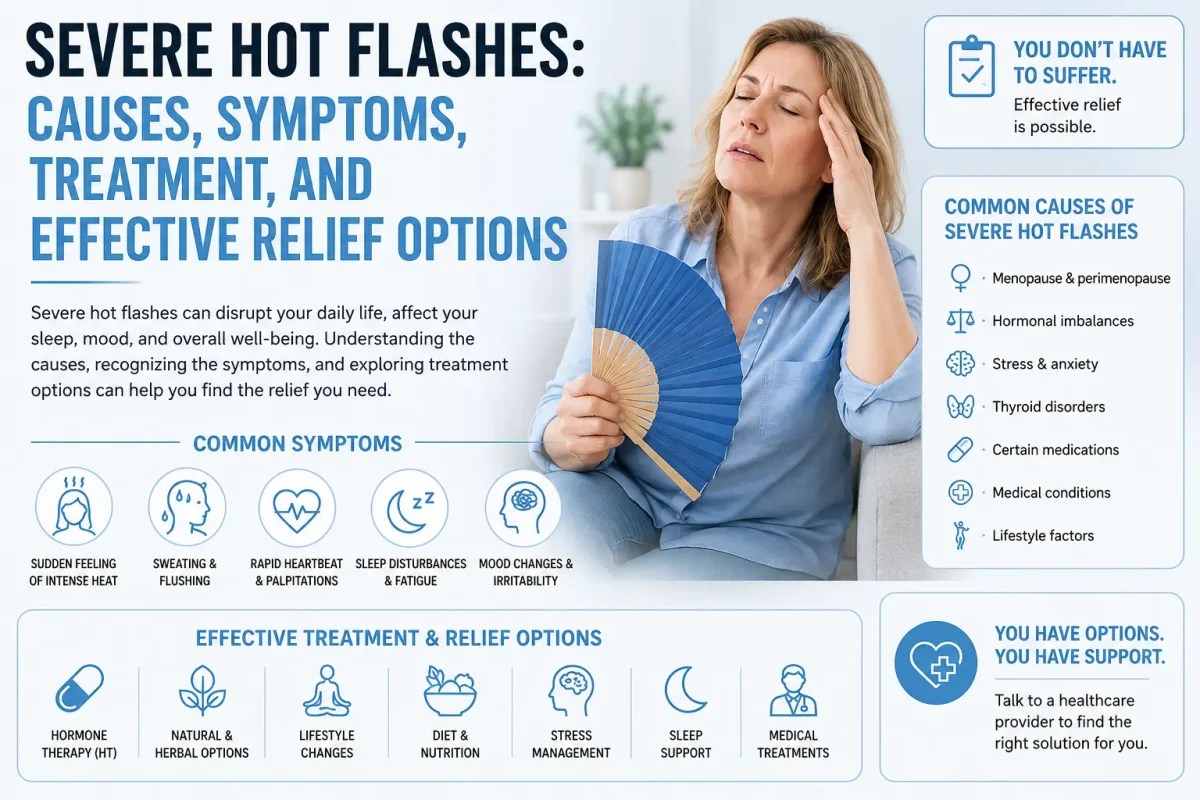
In women, estrogen and progesterone levels fluctuate during perimenopause and decline after menopause. These changes may contribute to hot flashes, night sweats, sleep disturbances, and changes in mood.
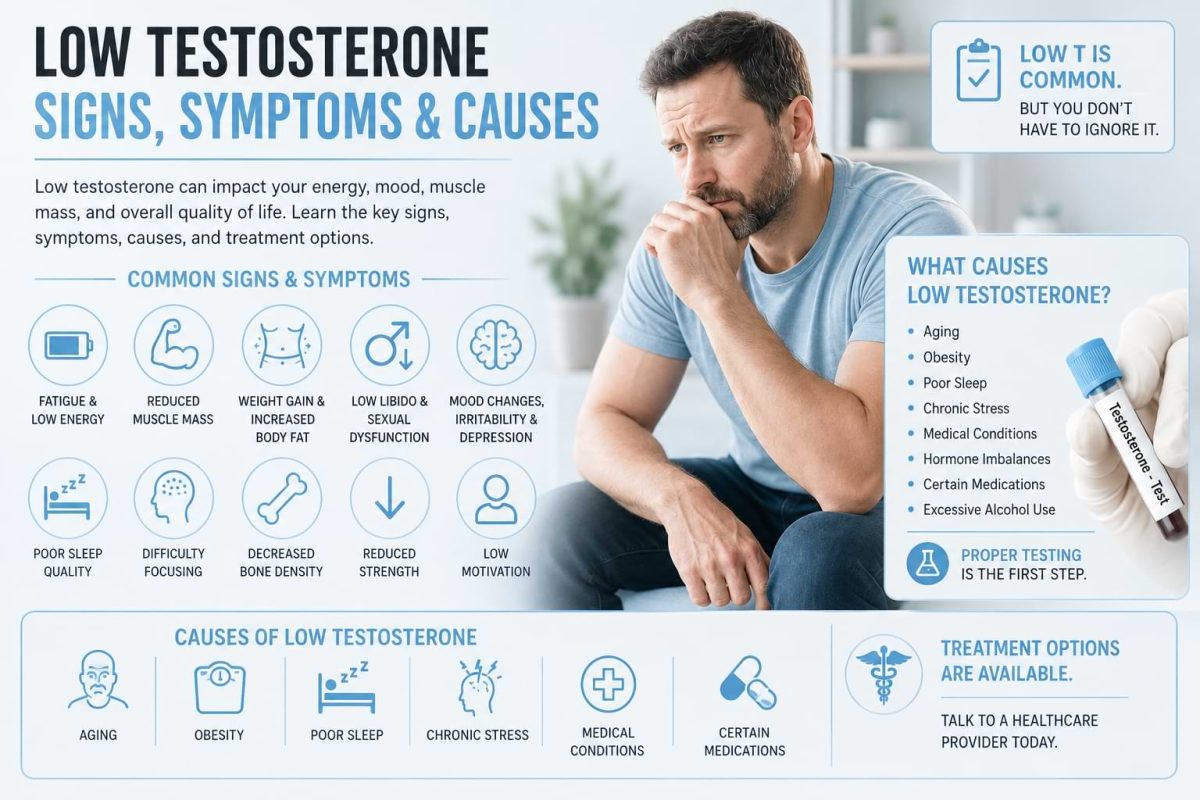
In men, testosterone levels can gradually decline with age. However, not every man develops testosterone deficiency, and aging alone does not establish a need for treatment.
2. Changes in Sleep Quality
Sleep patterns can change during midlife for several reasons.
Women experiencing menopause may wake up because of night sweats or hot flashes. Meanwhile, men and women may develop sleep apnea, insomnia, or other sleep-related conditions.
Poor-quality sleep can contribute to:
-
Daytime fatigue.
-
Difficulty concentrating.
-
Irritability.
-
Reduced motivation.
-
Lower physical performance.
When hormonal symptoms interrupt sleep, treating those symptoms may help improve daytime energy.
3. Increased Stress and Daily Responsibilities
Midlife can bring additional responsibilities involving work, family, finances, and personal commitments.
Long-term stress may affect sleep, mood, and daily energy. It can also make it harder to maintain healthy routines, such as regular exercise and balanced nutrition.
4. Other Health Conditions
Fatigue is a common symptom of many medical conditions.
Possible causes include:
-
Iron-deficiency anemia.
-
Thyroid disorders.
-
Diabetes.
-
Sleep apnea.
-
Depression or anxiety.
-
Heart or kidney conditions.
-
Medication side effects.
-
Nutritional deficiencies.
Therefore, persistent low energy deserves a proper medical evaluation instead of an assumption that hormone replacement therapy is the answer.
What Is Hormone Replacement Therapy (HRT)?
Hormone replacement therapy is a medical treatment that uses hormones to replace or supplement hormones when there is an appropriate medical reason.
The specific treatment depends on which hormone is involved, the patient’s symptoms, and the underlying condition.
For women, HRT commonly refers to menopausal hormone therapy. It may involve estrogen alone or a combination of estrogen and a progestogen.
For men with confirmed testosterone deficiency, treatment may involve testosterone replacement therapy (TRT).
These treatments have different purposes, eligibility requirements, and safety considerations. They are not interchangeable.
A healthcare professional must determine whether hormone treatment is appropriate based on symptoms, medical history, and relevant testing.
How Can HRT Help Women Reclaim Energy After 40?
For women in perimenopause or menopause, hormonal changes can affect sleep, temperature regulation, mood, and everyday comfort.
When these symptoms interfere with rest and daily activities, appropriate hormone therapy may help.
Here are some ways it may support well-being.
1. May Improve Sleep Disrupted by Night Sweats
Night sweats are a common menopause symptom. They can cause repeated awakenings, discomfort, and difficulty returning to sleep.
Systemic estrogen therapy is the most effective treatment for bothersome hot flashes and night sweats.
By reducing these symptoms, HRT may help women experience fewer nighttime disruptions and better sleep.
However, HRT does not treat every cause of insomnia. Sleep apnea, anxiety, chronic pain, and other sleep disorders may require separate treatment.
2. May Help Reduce Menopause-Related Discomfort
Hot flashes, vaginal dryness, and other menopause symptoms can affect daily comfort and quality of life.
Depending on the symptoms, doctors may recommend systemic hormone therapy or local vaginal estrogen.
For example, systemic therapy can help manage hot flashes and night sweats, while low-dose vaginal estrogen can help relieve vaginal dryness and discomfort.
Treating bothersome symptoms may make everyday activities more manageable.
3. May Support Better Daily Function
Persistent menopause symptoms can affect concentration, mood, sleep, and the ability to maintain normal routines.
Some women report feeling more comfortable and better rested after effective treatment.
However, HRT should not be presented as a direct treatment for every form of brain fog, low motivation, or fatigue. Its benefits depend on whether the symptoms are related to menopause and respond to therapy.
4. Helps Protect Bone Health in Appropriate Women
Estrogen plays an important role in maintaining bone density.
After menopause, lower estrogen levels can accelerate bone loss and increase the risk of osteoporosis.
Systemic HRT can help prevent bone loss in appropriate women, although doctors consider individual risk factors and other available treatments before recommending it.
How Can TRT Help Men Experiencing Low Energy After 40?
Testosterone is an important hormone involved in male reproductive function, muscle maintenance, bone health, and several other body processes.
Some men develop hypogonadism, a medical condition in which the body does not produce enough testosterone.
When a man has symptoms of testosterone deficiency and consistently low testosterone levels confirmed through appropriate testing, TRT may be considered.
Potential symptoms include:
-
Persistent fatigue.
-
Reduced sex drive.
-
Erectile difficulties.
-
Reduced muscle mass.
-
Increased body fat.
-
Low mood.
-
Reduced physical performance.
For men with confirmed testosterone deficiency, TRT may improve certain symptoms, including sexual function, anemia, lean body mass, and bone mineral density in appropriate patients.
Some men also report improvements in energy and mood. However, these effects vary, and TRT does not reliably resolve fatigue when another condition is responsible.
Why Testosterone Testing Matters
Doctors should not diagnose testosterone deficiency based on tiredness alone.
The Endocrine Society recommends diagnosing hypogonadism only when compatible symptoms or signs occur alongside consistently and clearly low testosterone concentrations.
Testing generally involves:
-
Reviewing symptoms and medical history.
-
Measuring morning testosterone levels.
-
Repeating a low result on a separate morning.
-
Checking additional hormones when appropriate.
-
Investigating possible underlying causes.
This approach helps distinguish genuine testosterone deficiency from fatigue caused by other health conditions.
Important: TRT can suppress sperm production. Men who want to have children should discuss fertility implications and alternative approaches with a healthcare professional before starting treatment.
What Hormone Therapy Options Are Available After 40?
Treatment options depend on the patient’s symptoms, diagnosis, and medical history.
Here are some common forms of hormone therapy.
1. Estrogen Therapy
Estrogen therapy may help manage menopause-related symptoms such as hot flashes and night sweats.
It is available in several forms, including:
-
Oral tablets.
-
Skin patches.
-
Gels.
-
Sprays.
-
Vaginal preparations.
Women who still have a uterus generally need an appropriate progestogen alongside systemic estrogen to protect the uterine lining.
2. Progesterone and Progestogen Therapy
Progesterone is a naturally occurring hormone, while progestogens are a broader group that includes progesterone and synthetic medications with similar effects.
During menopause treatment, a progestogen is commonly prescribed with systemic estrogen for women who have an intact uterus.
It helps protect the endometrium, or uterine lining, from the effects of estrogen.
3. Testosterone Replacement Therapy
TRT is prescribed for men with appropriately diagnosed testosterone deficiency.
Treatment may involve:
-
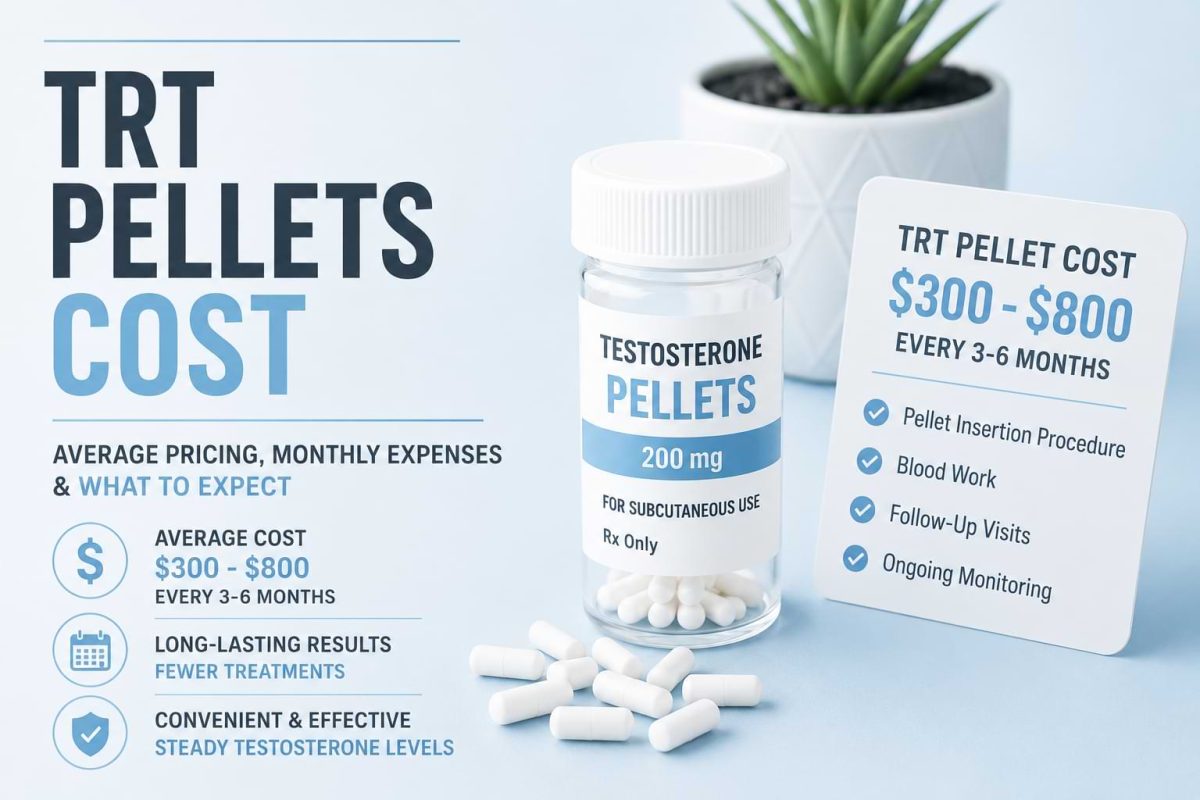
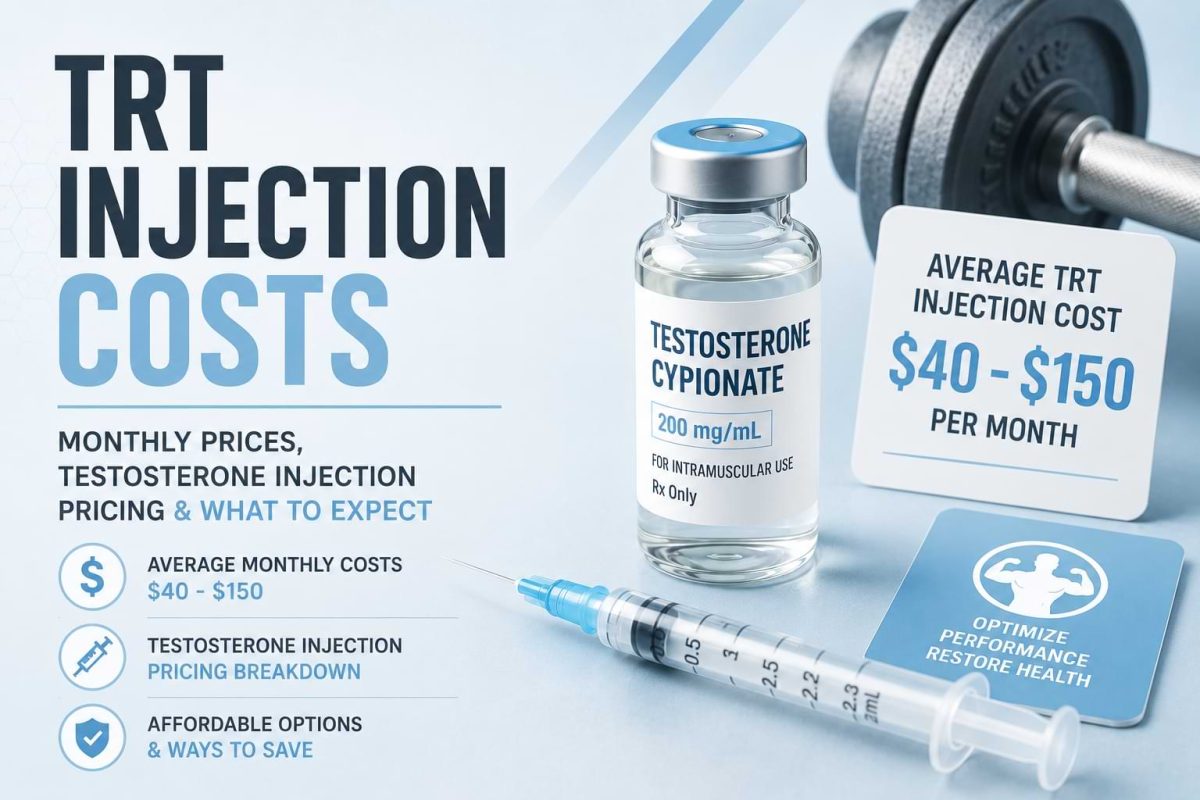
Injections.
-
Topical gels.
-
Skin patches.
-
Other approved formulations.
The dose and delivery method depend on the patient’s medical needs and response to treatment.
TRT is not a general anti-aging treatment or a guaranteed solution for low energy.
4. Bioidentical Hormone Therapy
Bioidentical hormones have the same molecular structure as hormones naturally produced by the body.
Some FDA-approved hormone medications are bioidentical. However, compounded bioidentical hormones are different because they are custom-prepared by a compounding pharmacy and are not FDA-approved in the same way as commercially manufactured products.
There is no reliable evidence that compounded bioidentical hormones are automatically safer or more effective than FDA-approved treatments.
Discuss the available products and their evidence with a qualified healthcare professional before choosing a treatment.
Is Hormone Replacement Therapy Safe After 40?
HRT can be appropriate for certain adults after 40, but safety depends on the specific treatment and the patient’s health history.
For healthy women experiencing bothersome menopause symptoms, the benefit-risk balance is generally more favorable when systemic hormone therapy begins before age 60 or within 10 years of menopause onset, provided there are no contraindications.
For men, TRT is generally reserved for those with symptoms and consistently low testosterone confirmed through appropriate testing.
Before recommending treatment, healthcare professionals consider factors such as:
-
Personal and family medical history.
-
Cardiovascular health.
-
History of blood clots.
-
Cancer history.
-
Liver health.
-
Fertility plans.
-
Other medications and medical conditions.
Hormone therapy also requires appropriate follow-up. Regular monitoring helps assess treatment response and identify possible side effects.
What Are the Possible Risks and Side Effects?
Hormone therapy is not risk-free. The possible side effects depend on the hormone, formulation, dose, and individual health factors.
Potential Risks of Menopause HRT
Depending on the treatment, possible concerns include:
-
Breast tenderness.
-
Bloating.
-
Headaches.
-
Irregular vaginal bleeding.
-
Blood clots.
-
Stroke.
-
Breast cancer risk with certain regimens, particularly combined estrogen-progestogen therapy with longer use.
-
Endometrial cancer risk when systemic estrogen is used without adequate progestogen in women with a uterus.
The risks of oral and transdermal estrogen can differ. Your healthcare provider can help determine which formulation is appropriate.
Potential Risks of TRT
Possible side effects of testosterone replacement therapy include:
-
Acne or oily skin.
-
Fluid retention.
-
Increased red blood cell count.
-
Increased blood pressure.
-
Reduced sperm production and fertility.
-
Breast tenderness.
-
Worsening of certain sleep-related breathing problems.
Doctors monitor testosterone levels, hematocrit, symptoms, and other health factors during treatment.
Important FDA Update on Menopause HRT
In February 2026, the FDA approved labeling changes for six menopausal hormone therapy products. Certain statements about cardiovascular disease, breast cancer, and probable dementia were removed from the products’ boxed warnings.
However, this does not mean those risks have disappeared. Relevant safety information remains in other sections of applicable product labeling, and the boxed warning about endometrial cancer remains for systemic estrogen-only products where applicable.
The update supports more individualized discussions about hormone therapy rather than treating every patient as having the same risk.
What If You Feel Tired but Your Hormone Levels Are Normal?
Hormone therapy is not always the answer to low energy.
If your hormone levels are within an appropriate range, your healthcare provider may investigate other possible causes.
These may include:
Sleep Problems
Poor sleep quality, insomnia, and sleep apnea can cause persistent daytime fatigue.
If you snore loudly, wake up gasping, or feel unusually sleepy during the day, ask your healthcare professional whether a sleep evaluation is appropriate.
Thyroid Conditions
The thyroid gland helps regulate metabolism.
An underactive thyroid can contribute to fatigue, weight changes, feeling cold, and difficulty concentrating.
A blood test may help determine whether thyroid function needs further evaluation.
Anemia and Nutritional Deficiencies
Low iron levels, vitamin B12 deficiency, and other nutritional concerns can contribute to fatigue.
Your doctor may recommend laboratory tests based on your symptoms and medical history.
Stress and Mental Health
Chronic stress, anxiety, and depression can affect sleep, motivation, and energy.
Addressing mental health and stress-related concerns may be an important part of improving overall well-being.
How to Support Your Energy Naturally After 40
Regardless of whether hormone therapy is appropriate, healthy daily habits can support energy and overall health.
Consider these practical steps.
1. Prioritize Consistent Sleep
Aim for a regular sleep schedule and create a comfortable sleeping environment.
If hot flashes or night sweats interrupt your sleep, discuss symptom management with your healthcare provider.
2. Exercise Regularly
Physical activity can support cardiovascular health, muscle strength, and sleep quality.
Try combining activities such as:
-
Walking.
-
Resistance training.
-
Cycling.
-
Swimming.
-
Gentle stretching.
Start at a level that suits your fitness and health condition.
3. Eat Balanced Meals
Choose a variety of foods that provide protein, fiber, healthy fats, vitamins, and minerals.
A balanced eating pattern can support normal body function and help maintain energy throughout the day.
4. Manage Stress
Relaxation techniques, social support, enjoyable activities, and appropriate mental health care may help manage ongoing stress.
5. Address Medical Concerns Early
Do not ignore persistent fatigue or unexplained changes in your health.
A healthcare professional can help identify possible causes and recommend appropriate treatment.
How Do You Know If You Should Consider HRT After 40?
If your energy levels have changed and you are experiencing other symptoms, a medical consultation can help determine whether hormone-related changes are involved.
Consider discussing an evaluation if you experience:
-
Persistent fatigue that affects everyday activities.
-
Hot flashes or night sweats.
-
Repeated sleep disturbances.
-
Reduced sex drive.
-
Unexplained changes in muscle mass.
-
Menstrual changes associated with perimenopause.
-
Other symptoms that concern you.
Your provider may review your symptoms, medical history, medications, and lifestyle. They may also recommend targeted blood tests when appropriate.
Not everyone needs a broad hormone panel. The right tests depend on the suspected condition.
If a hormone deficiency is confirmed, your healthcare professional can discuss whether treatment is appropriate and explain the benefits, limitations, and possible risks.
Frequently Asked Questions About HRT and Energy After 40
1. Can hormone replacement therapy give me more energy after 40?
HRT may help improve energy indirectly when fatigue is related to symptoms such as menopause-related night sweats and sleep disruption. TRT may improve certain symptoms in men with confirmed testosterone deficiency. However, hormone therapy is not a general energy booster.
2. Does menopause cause fatigue?
Menopause can contribute to fatigue through symptoms such as night sweats, hot flashes, and sleep disturbances. However, fatigue can also result from thyroid disorders, anemia, sleep apnea, stress, and other health conditions.
3. Can men experience low testosterone after 40?
Yes. Some men develop testosterone deficiency, although aging alone does not mean treatment is necessary. A diagnosis requires compatible symptoms and consistently low testosterone confirmed through appropriate testing.
4. Does HRT improve sleep?
Systemic hormone therapy can improve sleep in women whose sleep is disrupted by menopause-related hot flashes and night sweats. It does not necessarily improve sleep in people without these symptoms or treat unrelated sleep disorders.
5. Is HRT safe for everyone over 40?
No. Treatment suitability depends on the specific hormone, medical history, risk factors, and diagnosis. A healthcare professional should evaluate these factors before prescribing treatment.
6. How long does it take to feel better after starting HRT?
The response varies by treatment and individual. Some menopause symptoms may improve within weeks, while other benefits may take longer. TRT response also varies depending on the symptoms being treated and the patient’s medical condition. Your provider can establish realistic expectations and a monitoring schedule.
7. Can I use HRT for anti-aging?
Hormone therapy should not be used simply to reverse aging or improve energy in otherwise healthy people without a diagnosed hormone-related condition. Treatment should have a clear medical purpose and be supervised by a qualified healthcare professional.
8. Do I need a hormone test before starting HRT?
It depends on the suspected condition. Men with possible testosterone deficiency generally need repeat morning testosterone testing. In otherwise healthy women over 45 with typical menopause symptoms, doctors can often diagnose menopause clinically without routine hormone testing.
Final Thoughts: Make Your Energy a Health Priority
Feeling tired after 40 does not have to be something you simply accept. Hormonal changes may contribute to fatigue, sleep disturbances, and other midlife symptoms, but they are only one part of the picture.
For women experiencing bothersome menopause symptoms, appropriate HRT may improve hot flashes, night sweats, and related sleep disruptions. For men with confirmed testosterone deficiency, TRT may help address specific symptoms and support certain aspects of health.
However, the right approach starts with understanding the cause of your symptoms. A proper medical evaluation helps determine whether hormone therapy is appropriate or whether another health concern needs attention.
We Offer Telemedicine Hormone Replacement Therapy Services.
Access expert HRT care from the comfort of your home. We provide virtual consultations in these key cities and regions.
➡️ Start Your Virtual Consultation Today! / Menopause hormone replacement therapy Port Saint Lucie
Take the Next Step Toward Optimized Living
Your wellness journey doesn’t end here. It evolves with the right guidance, research, and support.
Subscribe to Hormone Online Insights
Connect with a Hormone Specialist
Explore Our Evidence Based Resource Library