Emotional wellness plays an important role in everyday life. It influences how we handle stress, connect with others, make decisions, and respond to challenges. However, during certain stages of life, hormonal changes can affect more than physical health. They may also influence mood, sleep, concentration, and emotional well-being.
For many women, perimenopause and menopause bring changes that can feel difficult to understand. One day may feel manageable, while the next brings irritability, unexpected sadness, anxiety, or trouble sleeping. These experiences can sometimes be connected to changing hormone levels, particularly fluctuations in estrogen.
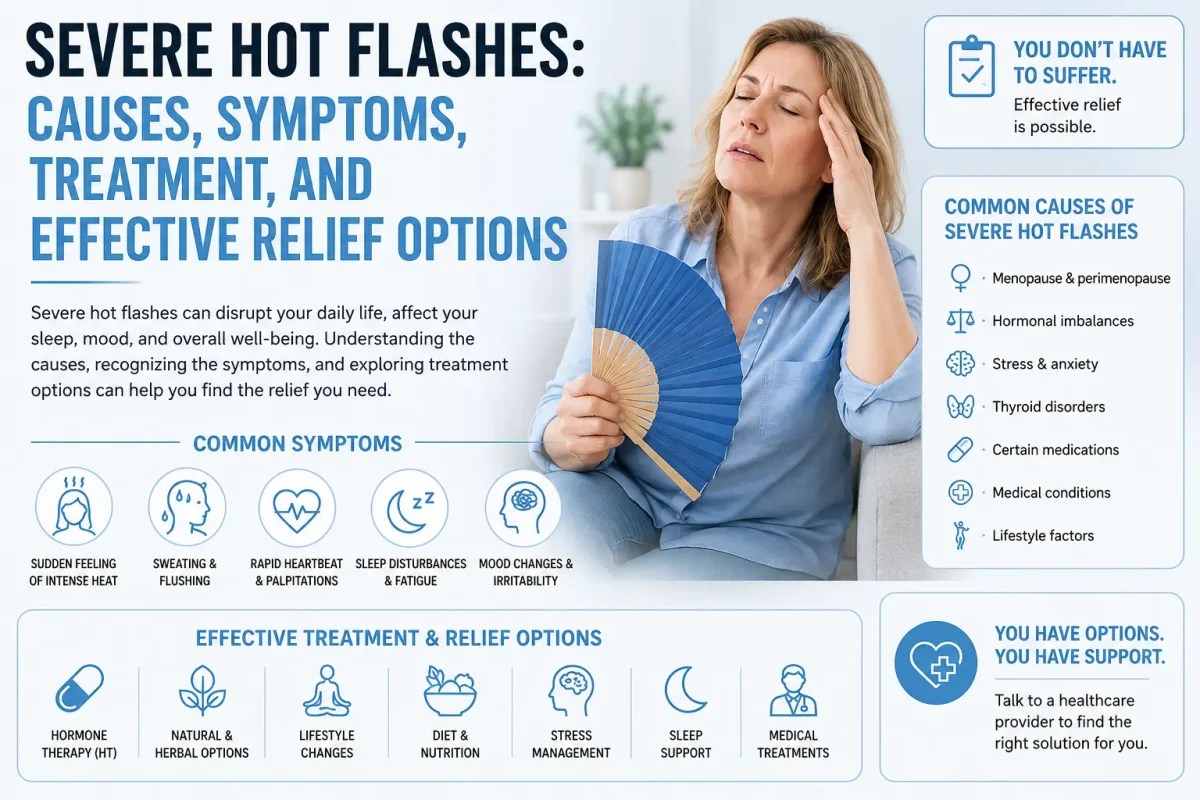
Hormone Replacement Therapy (HRT) may help eligible women manage certain menopause-related symptoms. By replacing hormones that decline during menopause, HRT can relieve symptoms such as hot flashes and night sweats, which may also improve sleep and quality of life. In some circumstances, it may help with menopause-related depressive symptoms.
However, HRT is not a universal treatment for anxiety, depression, or other mental health conditions. Understanding how hormones influence emotional wellness can help you make informed decisions about your health.
How Do Hormones Affect Emotional Wellness?
Hormones act as chemical messengers throughout the body. They help regulate several important functions, including metabolism, reproduction, sleep, and aspects of brain activity.
Estrogen, progesterone, and other hormones can influence systems involved in mood regulation. Changes in these hormones may contribute to emotional symptoms during different stages of life.
For example, estrogen interacts with neurotransmitter systems involved in mood and emotional processing. Fluctuating hormone levels during perimenopause may coincide with changes in how some women experience stress, sleep, and mood.
However, hormones are only one part of emotional health. Personal circumstances, medical conditions, lifestyle, relationships, and previous mental health experiences can also influence how someone feels.

Common Emotional Changes During Perimenopause and Menopause
The menopausal transition affects every woman differently. Some experience only mild changes, while others notice symptoms that interfere with work, relationships, sleep, and daily routines.
Here are several emotional and cognitive changes that may occur.
1. Mood Swings
Hormonal fluctuations may contribute to changes in mood. You might feel comfortable one moment and unusually irritated or emotional the next.
These changes can become frustrating, particularly when they seem to happen without an obvious reason.
2. Increased Irritability
Small inconveniences may feel more stressful than usual. You may also notice that you become impatient more easily or have difficulty managing everyday frustrations.
Poor sleep, physical discomfort, and ongoing stress can make irritability more noticeable.
3. Anxiety and Feelings of Uneasiness
Some women experience increased worry, nervousness, or feelings of uneasiness during perimenopause.
Hot flashes, heart palpitations, and disrupted sleep may also contribute to uncomfortable physical sensations that resemble anxiety.
Still, anxiety does not automatically mean that your hormones are out of balance. Persistent or severe anxiety deserves an appropriate medical assessment.
4. Low Mood or Sadness
Hormonal changes may coincide with periods of sadness, reduced motivation, or emotional sensitivity.
Women with a history of depression or significant premenstrual mood symptoms may also experience additional challenges during the menopausal transition.
It is important to distinguish occasional low mood from clinical depression. Persistent sadness, loss of interest, hopelessness, or difficulty functioning may require dedicated mental health care.
5. Brain Fog and Difficulty Concentrating
Some women describe feeling mentally slower, forgetful, or less focused during menopause.
Sleep disruption, stress, hot flashes, and other health factors may contribute to these experiences. Brain fog does not necessarily indicate a serious memory disorder or a hormone deficiency.
How Can HRT Support Emotional Wellness?
Hormone Replacement Therapy helps manage certain symptoms associated with declining estrogen levels during menopause. Treatment commonly involves estrogen, and women who still have a uterus generally need a progestogen alongside systemic estrogen to protect the uterine lining.
Although HRT is best known for treating hot flashes and night sweats, its effects on other menopause-related symptoms may also influence emotional well-being.
1. It May Help Improve Sleep
Night sweats and hot flashes can interrupt sleep several times throughout the night. Poor sleep may leave you feeling tired, irritable, and less able to manage stress.
For women experiencing bothersome menopause-related hot flashes and night sweats, HRT is an effective treatment option. Reducing these symptoms may help improve sleep quality and daily comfort.
Better rest can make it easier to manage everyday responsibilities and emotional challenges.
2. It May Help With Certain Menopause-Related Mood Symptoms
Some women experience depressive symptoms around the same time as other menopause-related changes.
The National Institute for Health and Care Excellence (NICE) recommends considering HRT for depressive symptoms that do not meet the criteria for a diagnosis of depression when they begin around the same time as other menopause symptoms.
However, research does not establish HRT as a reliable treatment for every mood concern. Its effects on anxiety are also uncertain, and it should not replace appropriate treatment for diagnosed depression or anxiety disorders.
3. It May Improve Menopause-Related Quality of Life
Managing hot flashes, night sweats, and other disruptive symptoms may make daily activities more comfortable.
When physical symptoms become easier to manage, some women find it easier to maintain routines, participate in social activities, and focus on personal responsibilities.
The International Menopause Society recognizes that menopausal hormone therapy can improve menopause-related quality of life in women experiencing bothersome symptoms. This does not mean it improves every aspect of general health or emotional wellness.
4. It May Help Reduce the Stress of Persistent Physical Symptoms
Repeated sleep interruptions, uncomfortable hot flashes, and other menopause symptoms can make everyday life feel more demanding.
When treatment reduces symptoms that interfere with daily routines, it may also reduce some of the stress associated with managing them.
Nevertheless, emotional wellness involves more than hormone levels. Supportive relationships, healthy habits, and appropriate mental health care remain important.
Is HRT the Right Option for Emotional Health?
HRT may be appropriate for some women experiencing menopause-related symptoms, but it is not suitable for everyone.
A healthcare professional should consider your symptoms, age, medical history, personal risk factors, and treatment preferences before recommending therapy.
HRT may be worth discussing with a qualified healthcare professional if you:
-
Experience bothersome hot flashes or night sweats.
-
Have sleep difficulties associated with menopause symptoms.
-
Notice mood changes that began around the menopausal transition.
-
Experience other menopause-related symptoms that affect your quality of life.
-
Want to understand the potential benefits and risks of hormone therapy.
Your clinician can also discuss whether nonhormonal treatments or mental health support may better address your concerns.
For a more detailed explanation, read our guide to HRT for Managing Menopause: Is It Safe?.
What Are the Possible Risks of HRT?
Although HRT can provide meaningful symptom relief, it also has potential risks and side effects. These vary depending on the type of hormones, dose, route of administration, duration of treatment, and individual medical history.
Possible side effects include:
-
Breast tenderness.
-
Bloating or fluid retention.
-
Headaches.
-
Nausea.
-
Irregular vaginal bleeding, particularly when starting or changing treatment.
Some forms of systemic HRT may also increase the risk of certain health conditions. These include blood clots, stroke, and particular cancers, depending on the treatment and the individual’s circumstances.
For example, combined estrogen-progestogen therapy and estrogen-only therapy have different breast and endometrial cancer considerations. Women with an intact uterus generally need adequate progestogen when using systemic estrogen.
Your healthcare professional should explain these differences before treatment begins. Regular follow-up appointments also help determine whether your treatment remains appropriate.
Supporting Emotional Wellness Alongside HRT
Hormone therapy is only one possible part of a broader approach to emotional health. Daily habits and emotional support can also make a meaningful difference.
Consider these practical strategies:
Prioritize Consistent Sleep
Aim for a regular sleep schedule and create a comfortable bedroom environment. Limiting caffeine late in the day and reducing screen use before bedtime may also help.
If night sweats or sleep problems continue, discuss them with your healthcare professional.
Stay Physically Active
Walking, swimming, cycling, and strength training can support physical health and overall well-being.
Regular movement may also help reduce stress and improve sleep. Choose activities that match your fitness level and medical needs.
Maintain Balanced Nutrition
Eat a variety of nutrient-rich foods, including vegetables, fruits, whole grains, lean protein, and healthy fats.
Staying hydrated and maintaining regular meals can also support energy levels throughout the day.
Make Time for Stress Management
Relaxation techniques such as deep breathing, mindfulness, meditation, and gentle yoga may help you manage everyday stress.
You do not need to make major changes immediately. Starting with a few minutes of intentional relaxation can be a practical first step.
Seek Emotional and Professional Support
Talking with trusted friends, family members, or a mental health professional can help you process difficult emotions.
Cognitive behavioral therapy (CBT) may also help some women manage menopause-related symptoms, including sleep difficulties and certain mood concerns.
If emotional symptoms persist, interfere with daily life, or become overwhelming, seek professional support rather than assuming hormones are the only cause.

How to Get Started With HRT
If you are considering hormone replacement therapy, start with a conversation with a qualified healthcare professional.
A proper assessment may include:
-
Reviewing your symptoms: Discuss mood changes, sleep problems, hot flashes, menstrual changes, and other concerns.
-
Reviewing your medical history: Your clinician should consider personal and family health history, including conditions that may affect HRT safety.
-
Discussing treatment options: Ask about estrogen-only and combined therapy, different delivery methods, possible side effects, and nonhormonal alternatives.
-
Creating an individualized plan: Your treatment should reflect your symptoms, health profile, and preferences.
-
Scheduling follow-up appointments: Regular reviews help assess symptom changes, side effects, and whether adjustments are necessary.
Not everyone needs extensive hormone testing to diagnose typical menopause. Your clinician will determine whether specific tests are appropriate based on your age, symptoms, and medical history.
If you want to understand the different forms of treatment, explore our article, What Is Hormone Therapy? Types, Benefits, and How HRT Works.
You can also learn more about the signs of hormone imbalance and why a proper assessment matters before starting treatment.
Frequently Asked Questions
1. Can HRT improve mood swings?
HRT may help some women experiencing mood symptoms associated with menopause, particularly when those symptoms occur alongside other menopause-related concerns. However, results vary, and HRT is not a guaranteed treatment for mood swings.
2. Does HRT help with anxiety?
The evidence is not consistent enough to recommend HRT as a general treatment for anxiety. Some women may notice improvements when HRT relieves physical symptoms that disrupt sleep or increase discomfort. Persistent anxiety should be evaluated by a healthcare professional.
3. Can hormonal changes cause depression?
Hormonal changes during perimenopause may contribute to depressive symptoms in some women. However, depression has multiple possible causes. Anyone experiencing persistent sadness, hopelessness, or loss of interest should seek an appropriate mental health assessment.
4. How long does it take for HRT to affect mood?
The response varies from person to person. Some menopause symptoms may improve within weeks, while others can take longer. A clinician can help evaluate your response and determine whether your treatment needs adjustment.
5. Is HRT safe for everyone?
No. HRT is not suitable for everyone. Certain medical conditions and personal risk factors may affect whether treatment is appropriate. A healthcare professional should review your history and explain the potential benefits and risks.
6. Can I support emotional wellness without HRT?
Yes. Regular physical activity, consistent sleep, balanced nutrition, stress management, and professional counseling can all support emotional well-being. Nonhormonal treatments may also help manage specific menopause symptoms.
Final Thoughts: Make Emotional Wellness Part of Your Health Journey
Hormonal changes can influence how some women feel during perimenopause and menopause. Mood swings, sleep disturbances, irritability, and low mood may affect daily life, but these experiences should not be dismissed or automatically attributed to hormones.
HRT may help eligible women manage certain menopause-related symptoms and improve quality of life. In some circumstances, it may also help with menopause-related depressive symptoms. However, emotional wellness requires an individualized approach that considers physical health, mental health, lifestyle, and personal circumstances.
Understanding your symptoms is a valuable first step. With appropriate medical guidance and a treatment plan that reflects your needs, you can make informed decisions about your well-being.
We Offer Telemedicine Hormone Replacement Therapy Services.
Access expert HRT care from the comfort of your home. We provide virtual consultations in these key cities and regions.
➡️ Start Your Virtual Consultation Today! / Hormone replacement therapy Port Saint Lucie
Take the Next Step Toward Optimized Living
Your wellness journey doesn’t end here. It evolves with the right guidance, research, and support.
Subscribe to Hormone Online Insights
Connect with a Hormone Specialist
Explore Our Evidence Based Resource Library