Testosterone plays an important role in men’s health. It supports muscle development, bone strength, red blood cell production, sexual function, and other essential processes. However, when testosterone levels become consistently low due to an underlying medical condition, some men may experience symptoms that affect their daily lives.
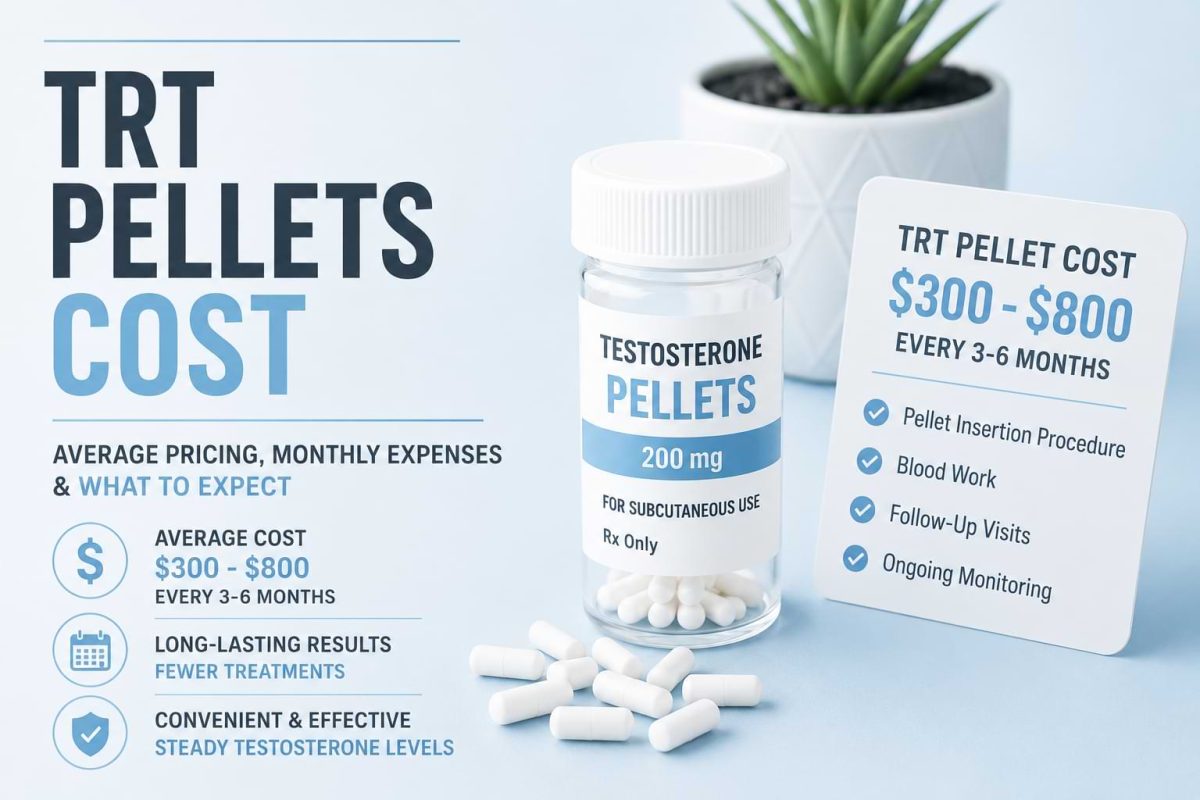
Testosterone Replacement Therapy (TRT) offers several treatment options, including injections, gels, patches, and pellets. Among these choices, testosterone pellets provide a long-acting method of delivering testosterone through small implants placed beneath the skin.
Because pellets release testosterone gradually, patients do not need to apply medication every day or receive frequent injections. However, this convenience comes with considerations, including an insertion procedure, possible skin complications, and limited flexibility when adjusting treatment.
So, are testosterone pellets effective? What benefits can they offer, and what side effects should you understand before considering them?
This guide explains how testosterone pellets work, their potential benefits and risks, and what to expect from treatment.
What Are Testosterone Pellets?
Testosterone pellets are small, solid implants containing testosterone. A qualified healthcare professional places them beneath the skin, usually around the upper buttock or hip area, through a minor procedure.
Once implanted, the pellets gradually release testosterone into the bloodstream over time.
Unlike testosterone injections, which deliver a dose at specific intervals, pellets provide a slow-release delivery method. This allows testosterone to enter the body gradually without requiring daily application.
In the United States, Testopel is an FDA-approved testosterone pellet product. Each pellet contains 75 mg of testosterone. The number of pellets and treatment schedule depend on the product instructions and the patient’s medical needs.
Other pellet products may be compounded. Compounded medications are not FDA-approved in the same way as commercially approved products, so patients should discuss their quality, regulatory status, and evidence with their healthcare professional.
How Do Testosterone Pellets Work?
Testosterone pellets work by releasing testosterone into the surrounding tissue after implantation. The hormone gradually enters the bloodstream and becomes available to tissues throughout the body.
Once absorbed, testosterone binds to androgen receptors. These receptors help regulate biological processes associated with:
-
Muscle protein development.
-
Bone maintenance.
-
Red blood cell production.
-
Sexual desire and function.
-
Body composition.
-
Certain aspects of mood and well-being.
Testosterone can also convert into other hormones, including estradiol and dihydrotestosterone (DHT), which have their own roles in the body.
How Long Do Testosterone Pellets Last?
Testosterone pellets are designed to provide hormone delivery over several months. Depending on the formulation, dose, and individual response, treatment may last approximately three to six months.
However, the duration is not identical for everyone.
Testosterone levels may rise after insertion and gradually decline as the pellets release their contents. Some men may notice symptoms returning toward the end of the treatment interval if their testosterone levels fall.
Your healthcare professional can use blood tests and symptom assessments to determine when another treatment may be appropriate.
What Are the Benefits of Testosterone Pellets?
For men with properly diagnosed testosterone deficiency, testosterone pellets may provide several benefits associated with restoring testosterone levels.
The important distinction is that these benefits come from medically appropriate testosterone treatment, not from pellets being inherently more effective than other delivery methods.
1. Convenient, Long-Acting Treatment
One of the main advantages of testosterone pellets is convenience.
Unlike gels that require daily application or injections that require repeated administration, pellets can release testosterone over several months.
This may appeal to men who prefer a treatment option that does not require frequent dosing.
2. Consistent Hormone Delivery
Pellets provide gradual testosterone release after implantation. This may help maintain testosterone levels over a longer period without daily medication application.
However, levels can still fluctuate. They may rise after insertion and decline as the pellets are absorbed.
Individual monitoring remains important to determine whether treatment maintains an appropriate testosterone range.
3. No Daily Application
Testosterone gels require regular skin application and precautions to prevent accidental transfer to other people.
Pellets eliminate the need for daily application. They also avoid the routine injections associated with shorter-acting testosterone formulations.
4. No Risk of Skin-to-Skin Medication Transfer
Testosterone gels can transfer to another person through direct contact with an unwashed application site.
Because pellets are placed beneath the skin, they do not create the same risk of medication transfer through routine skin contact.
5. Potential Improvements in Low Testosterone Symptoms
When testosterone deficiency is confirmed, treatment may improve certain symptoms, including:
-
Reduced sexual desire.
-
Low testosterone-related sexual symptoms.
-
Reduced lean body mass.
-
Low bone mineral density.
-
Some symptoms associated with testosterone deficiency.
However, the degree of improvement varies. Testosterone therapy does not guarantee increased energy, improved athletic performance, or significant weight loss.
Are Testosterone Pellets Effective?
Testosterone pellets can effectively increase circulating testosterone levels in men with testosterone deficiency.
Clinical studies have shown that pellet implants can maintain testosterone concentrations within the normal range for several months in some patients.
For example, research summarized in a review of testosterone replacement formulations found that testosterone levels after pellet implantation generally peaked within the first month and could remain in the normal range for approximately four to six months, depending on the dose and formulation.
A randomized study published in 2023 compared a compounded testosterone pellet with the FDA-approved Testopel product in 75 men diagnosed with testosterone deficiency. Both groups showed similar testosterone levels during the study’s follow-up period.
However, that study was conducted at a single center and had a relatively small sample. It should not be interpreted as proof that all compounded pellets are equivalent to FDA-approved products.
Do Testosterone Pellets Work Better Than Injections?
Not necessarily.
Both injections and pellets can raise testosterone levels. The best option depends on individual treatment goals, medical history, convenience, cost, and response to therapy.
| Treatment feature | Testosterone pellets | Testosterone injections |
|---|---|---|
| Administration | Implanted beneath the skin | Injected into muscle or beneath the skin, depending on the product |
| Treatment frequency | Usually every few months | Depends on the formulation and prescribed schedule |
| Daily application | Not required | Not required |
| Dose adjustment | Less flexible after implantation | Generally easier to adjust between doses |
| Procedure | Requires a minor insertion procedure | Requires repeated injections |
| Potential local effects | Bruising, pain, infection, or pellet extrusion | Injection-site pain or irritation |
Pellets may suit men who prefer less frequent administration. Injections may be more practical for patients who want a treatment that clinicians can adjust more readily.
For a broader comparison, read our guide to the science behind TRT and what to expect.

What Are the Side Effects of Testosterone Pellets?
Although testosterone pellets offer convenience, they can cause side effects. Some relate to the implantation procedure, while others result from testosterone exposure.
Understanding both types of risks is important before starting treatment.
1. Pain and Discomfort at the Insertion Site
Some men experience soreness, tenderness, or discomfort around the area where the pellets are placed.
Mild discomfort may occur after the procedure. However, worsening pain, increasing redness, warmth, or drainage should be evaluated by a healthcare professional.
2. Bruising and Swelling
Bruising, swelling, and minor bleeding may develop around the insertion site.
These effects often improve as the area heals. Follow your clinician’s instructions about wound care and physical activity after implantation.
3. Pellet Extrusion
Pellet extrusion occurs when one or more pellets move toward the surface and come out through the skin.
This can happen when the insertion site does not heal properly or the pellets move through the tissue.
Extrusion may require medical attention and can interfere with the intended treatment schedule.
4. Infection
Because pellet implantation involves a small incision, infection is possible.
Signs may include:
-
Increasing redness.
-
Warmth around the insertion site.
-
Worsening pain.
-
Pus or unusual drainage.
-
Fever.
Contact your healthcare professional if you notice these symptoms.
5. Hematoma
A hematoma is a collection of blood beneath the skin. It may develop after implantation and cause swelling, bruising, or tenderness.
Your clinician should evaluate significant or worsening swelling.
6. Increased Red Blood Cell Count
Testosterone can stimulate red blood cell production. In some men, this causes hematocrit levels to rise too much, a condition known as erythrocytosis.
Regular blood testing helps identify this problem. If hematocrit becomes too high, the clinician may need to adjust or stop treatment and investigate possible contributing factors.
7. Acne and Oily Skin
Changes in androgen activity may increase skin oil production, potentially causing acne or oily skin.
8. Fluid Retention
Some men experience fluid retention or swelling while using testosterone therapy.
Patients with certain heart, kidney, or liver conditions may require particular attention because fluid retention can worsen existing problems.
9. Reduced Sperm Production
External testosterone can suppress the signals that stimulate the testes to produce testosterone and sperm.
As a result, pellet therapy can reduce sperm production and fertility.
Men who plan to have children should discuss fertility-preserving alternatives with a specialist before starting treatment.
10. Changes in Blood Pressure
The FDA required class-wide testosterone labeling changes in 2025 after evidence showed that testosterone products can increase blood pressure.
Patients receiving testosterone therapy should discuss blood pressure monitoring with their healthcare professional.
Are Testosterone Pellets Safe for Everyone?
No. Testosterone pellets are not appropriate for every man.
A healthcare professional should review your medical history, symptoms, laboratory results, fertility plans, and risk factors before recommending treatment.
Testosterone therapy is generally not recommended in certain circumstances, including:
-
Plans to conceive in the near future.
-
Known or suspected prostate or breast cancer.
-
Elevated hematocrit.
-
Untreated severe obstructive sleep apnea.
-
Uncontrolled heart failure.
-
Certain recent cardiovascular events.
-
Thrombophilia or other relevant medical risks.
The exact decision depends on current clinical guidance, product labeling, and individual circumstances.
The Endocrine Society recommends diagnosing hypogonadism only when compatible symptoms or signs occur alongside consistently low testosterone levels. Clinicians should also investigate the underlying cause before treatment.
What Happens During Testosterone Pellet Insertion?
Testosterone pellet insertion is generally performed as an outpatient procedure by a qualified healthcare professional.
The process usually involves several steps.
Step 1: Medical Assessment
Before insertion, your clinician reviews your symptoms, medical history, testosterone results, and treatment goals.
You may also need additional laboratory tests to check for conditions that could affect treatment safety.
Step 2: Preparing the Insertion Area
The clinician selects an appropriate insertion site, commonly around the upper buttock or hip area.
The skin is cleaned using an antiseptic solution to reduce the risk of infection.
Step 3: Local Anesthesia
A local anesthetic is used to numb the area. This helps reduce discomfort during the procedure.
Step 4: Pellet Placement
The clinician makes a small incision and uses a specialized instrument to place the pellets beneath the skin.
The number of pellets depends on the prescribed product and treatment plan.
Step 5: Closing and Protecting the Area
The incision is closed or covered according to the clinician’s technique.
You will receive instructions about wound care, activity restrictions, and symptoms that require medical attention.
What Should You Expect After Testosterone Pellet Treatment?
Recovery and treatment response vary from person to person.
Here is a general overview of what may happen.
| Period | What to expect |
|---|---|
| First few days | Mild soreness, bruising, or swelling around the insertion site may occur. |
| First few weeks | Testosterone levels rise as the pellets release the hormone. Individual symptoms may begin to change. |
| Around 1–3 months | Your clinician may evaluate testosterone levels, symptoms, and potential side effects. |
| Around 3–6 months | Testosterone levels may gradually decline as the pellets release their contents. Another treatment may be considered if clinically appropriate. |
These are general timeframes, not guaranteed results. The timing depends on the formulation, dose, metabolism, and individual response.
Contact your healthcare professional if the insertion site becomes increasingly painful, red, warm, or begins draining fluid.
How Are Testosterone Pellets Monitored?
Monitoring is essential even though pellets provide long-acting treatment.
Your clinician may evaluate:
-
Testosterone levels: To determine whether the treatment maintains an appropriate range.
-
Hematocrit and complete blood count: To identify excessive increases in red blood cells.
-
Blood pressure: To monitor possible treatment-related changes.
-
Prostate health: When appropriate based on age, risk factors, and current screening guidance.
-
Symptoms and side effects: To determine whether treatment provides meaningful benefits.
-
Insertion site: To check for infection, extrusion, or delayed healing.
Because pellets cannot be easily adjusted once implanted, discuss what your clinician would do if your testosterone levels become too high or you experience significant side effects.
Testosterone Pellets vs. Other TRT Options: Which Is Better?
There is no single testosterone formulation that works best for everyone.
The right option depends on your medical needs, preferences, budget, and ability to follow the treatment schedule.
Pellets may be worth discussing if you:
-
Prefer treatment that lasts several months.
-
Want to avoid daily medication application.
-
Prefer not to receive frequent injections.
-
Are comfortable with a minor implantation procedure.
Injections may be worth discussing if you:
-
Prefer a treatment with more flexible dose adjustments.
-
Are comfortable with regular injections.
-
Want to compare the cost of generic injectable products.
Gels may be worth discussing if you:
-
Prefer a non-injection option.
-
Can follow a daily application schedule.
-
Can take precautions to prevent medication transfer to others.
Your healthcare professional can explain the advantages, limitations, and risks of each formulation.
For more background, explore our beginner’s guide to testosterone replacement therapy.
Frequently Asked Questions About Testosterone Pellets
1. How long do testosterone pellets last?
Testosterone pellets commonly provide hormone delivery for approximately three to six months. The exact duration depends on the product, dose, and individual response.
2. Are testosterone pellets effective?
Yes. Testosterone pellets can raise testosterone levels in men with diagnosed testosterone deficiency. However, their effectiveness depends on the prescribed dose, individual response, and appropriate monitoring.
3. What are the most common side effects of testosterone pellets?
Possible side effects include insertion-site pain, bruising, swelling, infection, bleeding, and pellet extrusion. Testosterone-related effects may include acne, fluid retention, increased hematocrit, and reduced sperm production.
4. Can testosterone pellets improve energy?
Some men with confirmed testosterone deficiency may notice improvements in certain symptoms. However, evidence does not support TRT as a guaranteed solution for fatigue or low energy. Other possible causes should be investigated.
5. Do testosterone pellets increase muscle mass?
Testosterone treatment can increase lean body mass in men with testosterone deficiency. However, results vary, and muscle development also depends on resistance training, nutrition, sleep, and overall health.
6. Can testosterone pellets affect fertility?
Yes. External testosterone can suppress sperm production. Men who want to preserve fertility should discuss alternative treatments with a qualified specialist before starting therapy.
7. Can testosterone pellets be removed?
Pellets may sometimes be surgically removed, but removal is not always simple. The procedure can be more difficult after implantation, and removal may not immediately reverse all effects of testosterone exposure. Discuss this limitation before choosing pellet therapy.
8. Are compounded testosterone pellets the same as FDA-approved pellets?
No. Compounded products are not FDA-approved in the same way as commercially manufactured products. Their quality, formulation, and evidence may differ. Ask your healthcare professional about the specific product being offered.

Final Thoughts: Are Testosterone Pellets Worth Considering?
Testosterone pellets offer a long-acting option for men with properly diagnosed testosterone deficiency. They can raise testosterone levels over several months and reduce the need for frequent injections or daily medication application.
However, the treatment also involves a minor implantation procedure, possible local complications, and testosterone-related risks such as increased hematocrit, fluid retention, and reduced fertility.
The best treatment choice depends on your diagnosis, health history, preferences, and response to therapy. Before starting testosterone pellets, discuss the benefits, limitations, alternatives, and monitoring requirements with a qualified healthcare professional.
We Offer Telemedicine Hormone Replacement Therapy Services.
Access expert HRT care from the comfort of your home. We provide virtual consultations in these key cities and regions.
➡️ Start Your Virtual Consultation Today! / Testosterone Replacement Therapy Online Port Saint Lucie
Take the Next Step Toward Optimized Living
Your wellness journey doesn’t end here. It evolves with the right guidance, research, and support.
Subscribe to Hormone Online Insights
Connect with a Hormone Specialist
Explore Our Evidence Based Resource Library