Hormones influence nearly every part of our health: from energy levels, mood, digestion, metabolism and reproduction. When all systems are functioning smoothly, we often don’t notice them. But when hormone balance is disrupted, we may feel “out of sync.”
In this article we’ll explore what it really means to have a hormone balance issue, the common warning signs that your hormonal equilibrium may be off, and practical steps you can take to restore healthier hormone function.
What Does “Hormone Balance” Really Mean?
The concept of “hormone balance” gets thrown around a lot but in truth, healthy hormones don’t mean “everything is static and perfect.” Hormones are always fluctuating in response to our body, environment and life stage.
What we’re really aiming for is functional hormone health where your endocrine system is working in harmony, symptoms are minimal, and you feel like yourself.
According to the Cleveland Clinic: “A hormonal imbalance happens when you have too much or too little of one or more hormones.”

Key Signs Your Hormone Balance Is Off
Here are the most common signals your hormones may be out of optimal range:
1. Persistent fatigue, low energy, or trouble sleeping can be signs your hormone balance is off and needs support.
If you’re constantly tired, dragging through the day, or you struggle to fall asleep/stay asleep hormones like cortisol, thyroid hormones, and sex hormones may be involved.
2. Unexplained weight gain (or loss) and changes in body composition may indicate an imbalance in your hormone balance.
Sudden changes in weight, especially when diet and exercise haven’t changed, may signal hormone issues. Weight gain around the belly, changes in fat distribution, or difficulty losing weight can be tied to hormone imbalance.
3. Mood swings, brain fog, or changes in mental clarity can signal that your hormone balance is disrupted.
Hormones heavily influence mood, cognitive function and emotional regulation. If you find yourself irritable, anxious, more forgetful or mentally “sluggish,” it may be a hormonal cue.
4. Changes in skin, hair or appearance
Hair thinning or hair loss, new acne, dryness of skin, loss of muscle tone these physical signs often reflect hormonal shifts.
Source: UCLA Health+1
5. Irregular menstrual cycles, libido changes or reproductive symptoms
For those with ovaries, changes in period frequency, heaviness, skipping, or symptoms like low libido, vaginal dryness or fertility issues can point to sex-hormone imbalances.
Source: UCLA Health+1
6. Digestive issues and gut symptoms
Recent research shows a strong link between gut health and hormone regulation (especially estrogen). If you’re experiencing persistent bloating, constipation/diarrhea or unexplained digestive symptoms it could be part of the hormonal picture.
Source: Women’s Health+1
7. Stress overload, adrenal fatigue or chronic sleep disruption
When cortisol (our primary stress hormone) is chronically elevated or dysregulated, it can throw off many other hormones. Persistent stress, poor sleep or overtraining can disrupt hormone balance.
Source: Join Midi+1
Why Your Hormone Balance Might Be Off
Understanding why things are out of sync can help you take the right action.
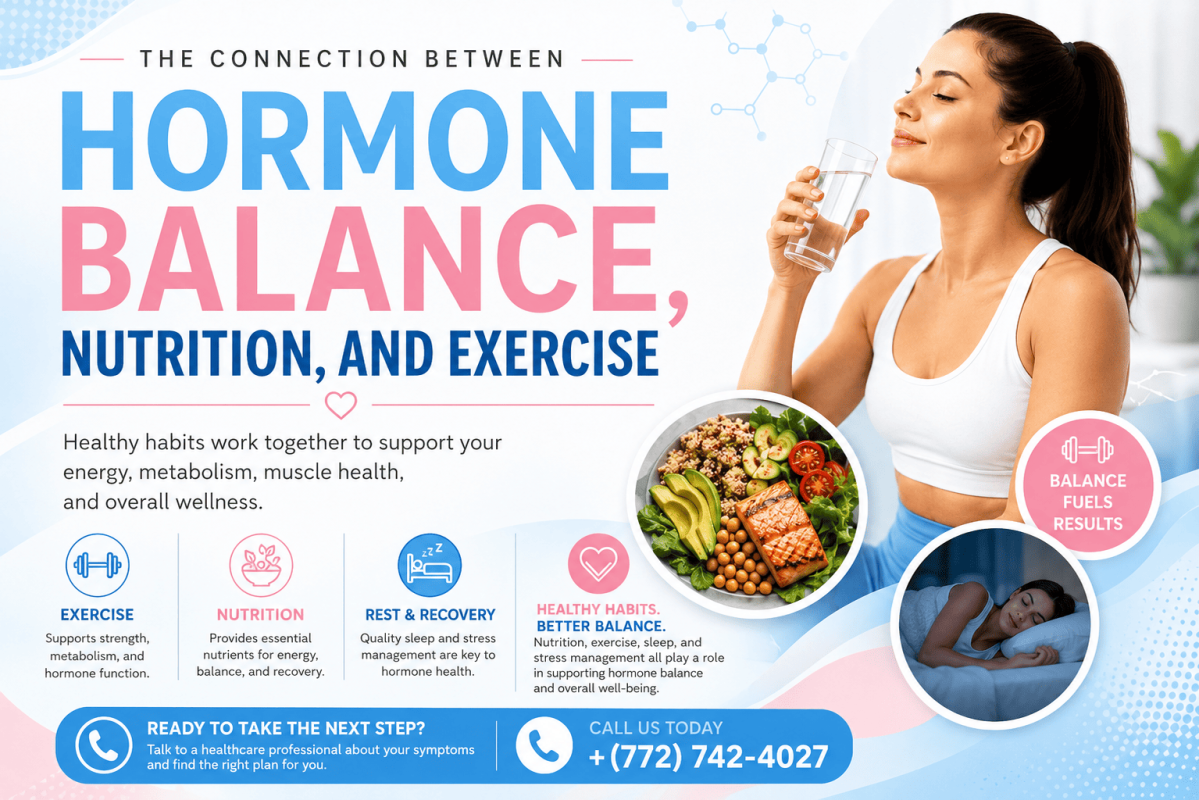
- Lifestyle influences: Poor diet, lack of sleep, chronic stress, and minimal exercise all negatively impact hormone health.
- Life stage changes: Puberty, pregnancy, perimenopause/menopause and andropause are times when hormones naturally shift. These transitions often bring disruptions.
- Underlying health issues: Conditions like thyroid disease, insulin resistance, PCOS, adrenal dysfunction, and others are major hormone-disruption culprits.
- Environmental and gut factors: Exposure to endocrine-disrupting chemicals, a compromised gut microbiome and systemic inflammation can all disturb hormonal regulation.
- Medication and supplement interference: Some medications, hormone therapies or unregulated supplements may alter hormone levels or receptor sensitivity. Always review with a provider.

What You Can Do to Support Your Hormone Balance
Here are practical steps you can start implementing:
✅ Start with the basics: diet + nutrition
- Focus on wholefoods, rich in lean protein, healthy fats, fiber and colorful vegetables.
- Minimize refined sugars, processed foods and large blood-sugar swings.
- Priorities healthy fats (omega-3s, monounsaturated fats) which are essential for hormone production.
- Ensure adequate protein to provide building blocks for hormone synthesis.
Source: allarahealth.com
💤 Improve sleep + recover well
- Aim for consistent sleep schedule and 7-9 hours of quality rest.
- Create a bedtime routine: reduce blue light exposure, manage stress prior to sleep, keep bedroom cool and dark.
- Priorities recovery if you’re exercising heavily overtraining can dysregulate cortisol.
🚶 Movement & exercise
- Regular moderate exercise improves insulin sensitivity, hormone receptor sensitivity and mood.
- Focus on a mix: strength training (to support muscle/hormone function), cardio for metabolism, and mobility or yoga for stress/hormone balance.
- Avoid extremes that push you into chronic stress without recovery.
🧘 Manage stress
- Incorporate stress-reducing practices: meditation, breathing exercises, walks in nature, journaling.
- Chronic high stress elevates cortisol, which in turn may impair other hormone pathways.
🍃 Support gut health & reduce exposures
- Include fermented foods (e.g., yogurt, kefir, kimchi) and fibre to support the gut microbiome and thus hormone regulation.
- Limit exposure to endocrine-disrupting chemicals: plastic containers, pesticides, non-organic produce, personal-care products with parabens/phthalates.
🩺 Seek professional assessment
- If symptoms persist despite lifestyle changes, it’s time to enlist a qualified provider (endocrinologist, hormone specialist) to check hormone panels, assess gland functions and individual needs.
- Don’t self-diagnose or self-treat heavy hormone therapies without guidance.
Frequently Asked Questions (FAQ)
Q: How long does it take to restore hormone balance?
A: It depends on your starting point, underlying condition, and how aggressively lifestyle changes are implemented. Some improvements may appear within a few weeks (especially with diet/sleep/stress work), but deeper shifts (hormone therapies, underlying gland issues) may take several months.
Q: Are hormone-balancing supplements safe?
A: Some may help, but many over-promises. Since hormones are complex, unregulated supplements can do more harm than good. Always consult your provider.
Q: Does everyone need hormone therapy to balance hormones?
A: No. Many people will achieve good hormone health through lifestyle changes. Therapy is reserved for defined imbalances, underlying medical issues or major life-stage changes (e.g., menopause) where supplementation is indicated.
Q: If I feel fine, do I need to check my hormones?
A: If you feel well, energetic and your body is functioning normally probably not urgent. But if you notice persistent changes (mood, weight, energy, skin/hair) then a check-in might be valuable. Early detection often means easier intervention.

Conclusion
Hormone balance isn’t about achieving perfection or having every hormone in a narrow range. It’s about ensuring your body’s systems are functioning smoothly, you feel well, and symptoms aren’t dragging you down.
If you’re experiencing persistent fatigue, mood changes, weight shifts, skin/hair changes or digestive issues your hormones could be sending a signal. Start with the foundational lifestyle supports (diet, sleep, stress, movement), and if things don’t improve, seek professional guidance.
You deserve to feel balanced, energetic and thriving not like you’re constantly fighting your body.
If you’d like to dive deeper into how to assess your hormone health or tailor a plan for your unique stage of life, feel free to consult or drop a comment below with your questions.
We Offer Telemedicine Hormone Replacement Therapy Services.
Access expert HRT care from the comfort of your home. We provide virtual consultations in these key cities and regions.
➡️ Start Your Virtual Consultation Today! / Hormone Replacement Therapy Port Saint Lucie
Take the Next Step Toward Optimized Living
Your wellness journey doesn’t end here. It evolves with the right guidance, research, and support.
Subscribe to Hormone Online Insights
Connect with a Hormone Specialist
Explore Our Evidence Based Resource Library