Are You Struggling With Weight Loss Despite Your Efforts?
You carefully track your meals, choose healthier foods, and stay active, yet the scale refuses to move. If this sounds familiar, calorie miscalculation could be the hidden factor preventing you from reaching your weight loss goals.
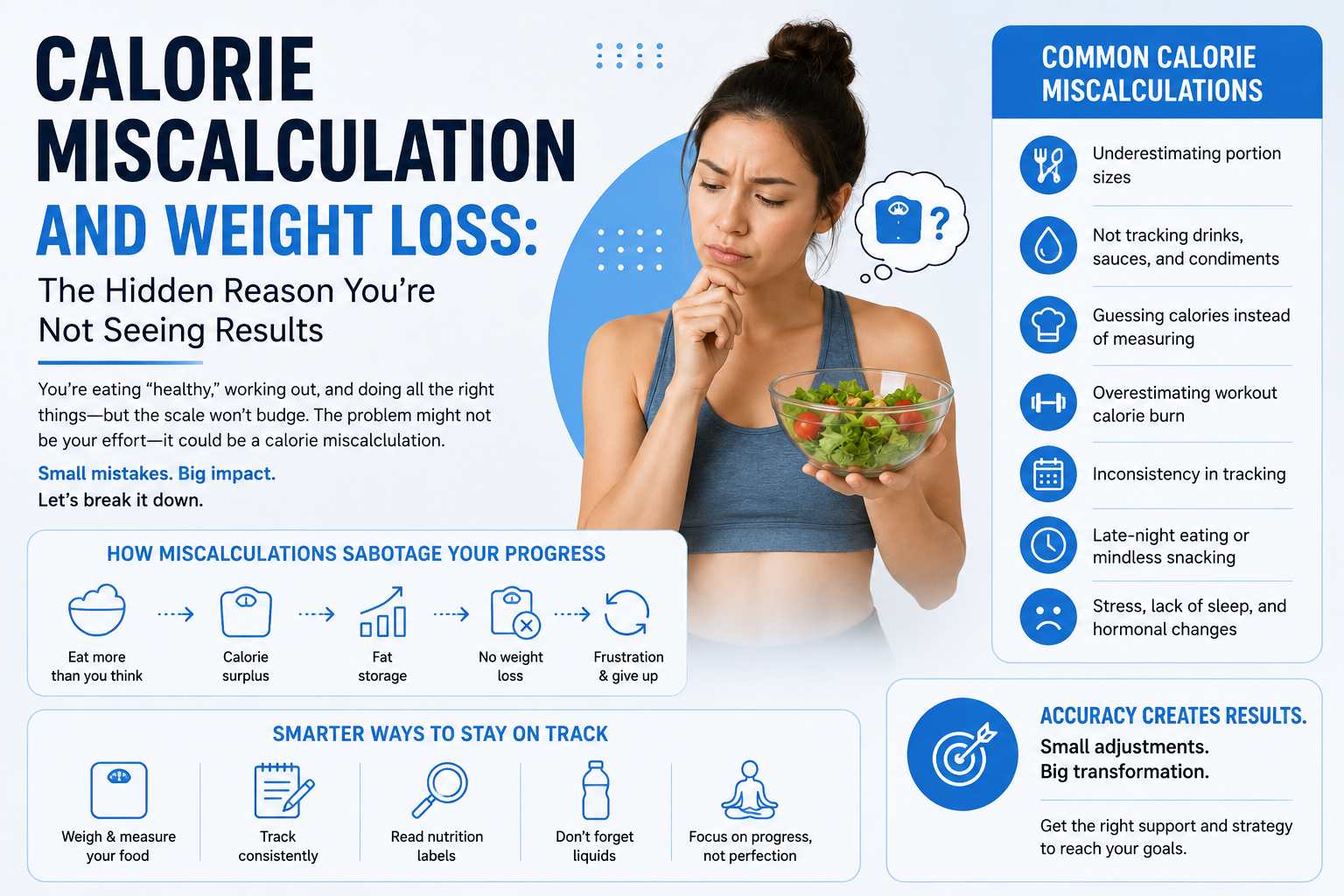
Many people unknowingly consume more calories than they realize. Even small tracking errors can add up over time, reducing or eliminating the calorie deficit needed for weight loss. Understanding calorie miscalculation can help you make more informed decisions and improve your results.
What Is Calorie Miscalculation?
Calorie miscalculation occurs when there is a difference between the number of calories you believe you are consuming and the number you actually consume.
This can happen when you:
- Estimate portion sizes incorrectly
- Forget to log snacks or beverages
- Underestimate restaurant meals
- Ignore cooking oils, sauces, and dressings
- Rely on inaccurate food tracking data
Although these mistakes may seem minor, they can significantly affect your progress over weeks and months.
Why Calorie Miscalculation Can Prevent Weight Loss
Successful weight loss depends on maintaining a calorie deficit, meaning you consume fewer calories than your body burns.
When calorie miscalculation occurs, you may believe you are eating within your calorie target while actually consuming more than expected. This can reduce your calorie deficit or eliminate it entirely.
For example:
- Planned intake: 1,800 calories per day
- Actual intake: 2,100 calories per day
That additional 300 calories may be enough to slow weight loss or prevent it altogether.
How Calorie Counting Mistakes Affect Your Results
Small calorie counting mistakes can accumulate quickly. An extra tablespoon of peanut butter, a splash of coffee creamer, or an untracked snack can add hundreds of calories throughout the day.
Over time, these hidden calories can make a significant difference in your overall energy balance and weight loss progress.
Common Causes of Calorie Miscalculation
Several everyday habits contribute to calorie miscalculation without people realizing it.
Portion Size Errors and Hidden Calories
Many individuals rely on visual estimates rather than measuring food. Unfortunately, portion sizes are often larger than expected.
A serving of pasta, rice, cereal, or peanut butter can easily contain twice the calories you intended to consume.
Using measuring tools or a food scale can improve accuracy and reduce hidden calories.
Liquid Calories and Calorie Miscalculation
Beverages are one of the most overlooked sources of calories.
Common examples include:
- Specialty coffee drinks
- Sweetened teas
- Smoothies
- Soft drinks
- Alcoholic beverages
Because liquids do not create the same feeling of fullness as solid foods, they can contribute to calorie miscalculation without reducing hunger.
⚠️ Medical Disclaimer: This article is for educational purposes only and does not replace professional medical advice, diagnosis, or treatment. Weight loss challenges can have various causes and should be evaluated by a qualified healthcare provider who can offer personalized recommendations based on your individual health needs.
How Cooking Oils Contribute to Calorie Counting Mistakes
Cooking oils, butter, mayonnaise, and salad dressings contain concentrated calories.
Just one tablespoon of oil contains approximately 120 calories. If these additions are not tracked, calorie intake can quickly exceed expectations.
Restaurant Meals and Hidden Calories
Restaurant meals often contain larger portions and more added fats, sugars, and sauces than home-cooked meals.
Even when nutrition information is available, portion sizes may vary, increasing the risk of calorie miscalculation.
Healthy Foods That Lead to Calorie Miscalculation
Nutritious foods can still be calorie dense.
Examples include:
- Nuts
- Seeds
- Avocados
- Nut butters
- Granola
These foods provide valuable nutrients but can contribute to calorie counting mistakes when consumed in large portions.
Source: HealthLine – 14 Common Reasons You’re Not Losing as Much Weight as You Expected
Signs of Calorie Miscalculation
You may be experiencing calorie miscalculation if:
- Your weight loss has stalled for several weeks
- You feel certain you are in a calorie deficit but see little progress
- You frequently eat meals away from home
- You rarely measure food portions
- You do not track beverages, snacks, or condiments
Recognizing these signs can help identify areas where tracking accuracy can improve.
How to Avoid Calorie Miscalculation
Fortunately, a few simple changes can reduce calorie counting mistakes and improve weight loss results.
Use a Food Scale to Improve Calorie Accuracy
A food scale provides one of the most reliable ways to measure portions accurately.
Weighing foods helps eliminate guesswork and reduces the likelihood of calorie miscalculation.
Track Every Source of Calories
Many people focus only on meals while forgetting smaller sources of calories.
Be sure to track:
- Snacks
- Beverages
- Cooking oils
- Dressings
- Sauces
- Condiments
Every calorie contributes to your daily total.
Read Nutrition Labels Carefully
Pay close attention to serving sizes listed on food packaging.
Many products contain multiple servings per container, which can lead to calorie counting mistakes if the entire package is consumed.
Reduce Calorie Counting Mistakes With Consistent Tracking
You do not need perfect tracking to be successful. Consistency is often more important than perfection.
Developing a habit of logging meals regularly can improve awareness and reduce calorie miscalculation over time.
Reevaluate Your Daily Calorie Needs
As you lose weight, your body may require fewer calories than before.
Regularly reviewing your calorie goals can help ensure they remain aligned with your current weight loss objectives.
Other Factors That Can Affect Weight Loss
Although calorie miscalculation is a common issue, it is not the only factor that influences weight loss.
Additional factors include:
- Poor sleep quality
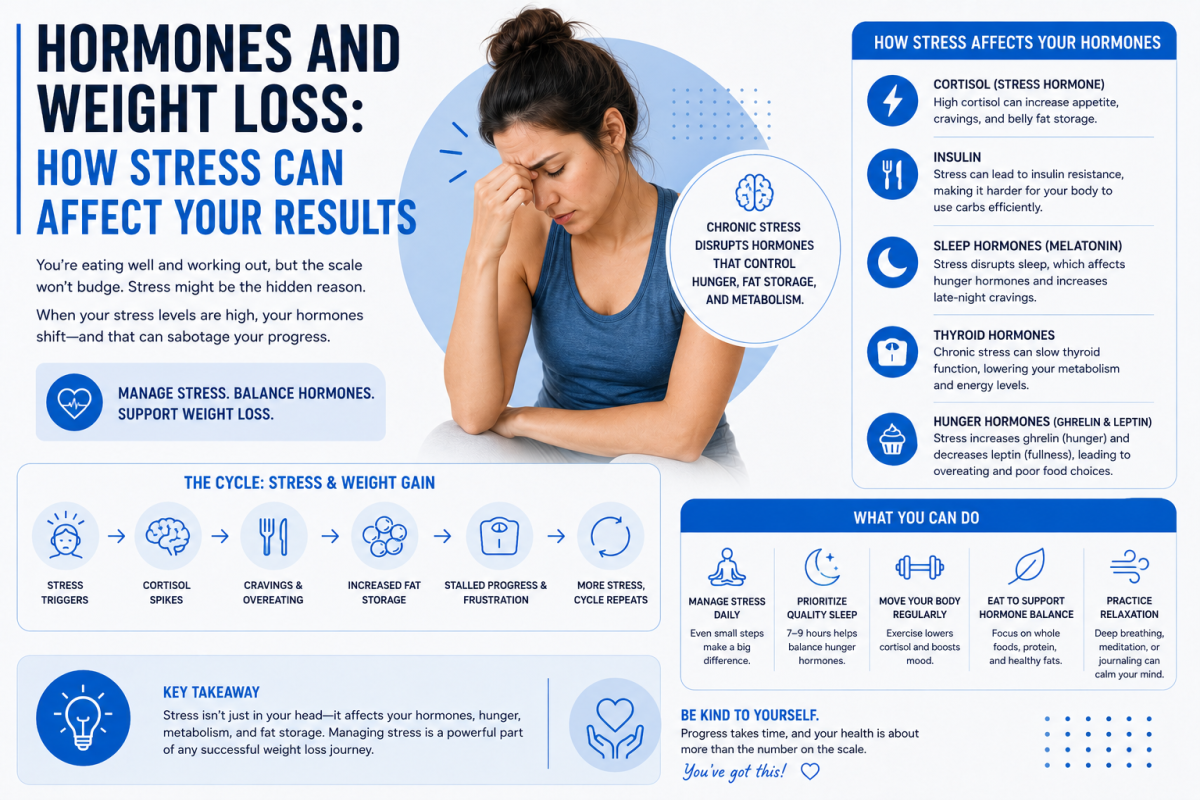
- Chronic stress
- Hormonal fluctuations
- Reduced physical activity
- Certain medical conditions
Addressing these factors alongside accurate calorie tracking can support long-term success.
Final Thoughts on Calorie Miscalculation
Calorie miscalculation is one of the most common reasons people struggle to lose weight despite their best efforts. Hidden calories, inaccurate portion estimates, and overlooked ingredients can quietly prevent the calorie deficit necessary for weight loss.
By improving portion control, tracking all sources of calories, and staying consistent with healthy habits, you can reduce calorie counting mistakes and move closer to your weight loss goals.
Related Articles
- Weight Loss Mental Health: Understanding the Mind-Body Connection
- Weight Loss and Libido: Key Differences Between Men and Women
- Fasting Smart Tricks: How to Fast Smarter, Not Harder
- Sustainable Weight Loss: A Realistic Guide to Long-Term Results
- Does Semaglutide Help Your Heart?
- Semaglutide vs. Tirzepatide: Key Differences Explained
Speak With a Licensed Healthcare Provider
If weight loss has stalled despite your efforts, consult a qualified healthcare provider for personalized guidance and support.
Medical Review Information
Written by: Hormone Online Media Team
Reviewed for educational Weight Loss informational guidance