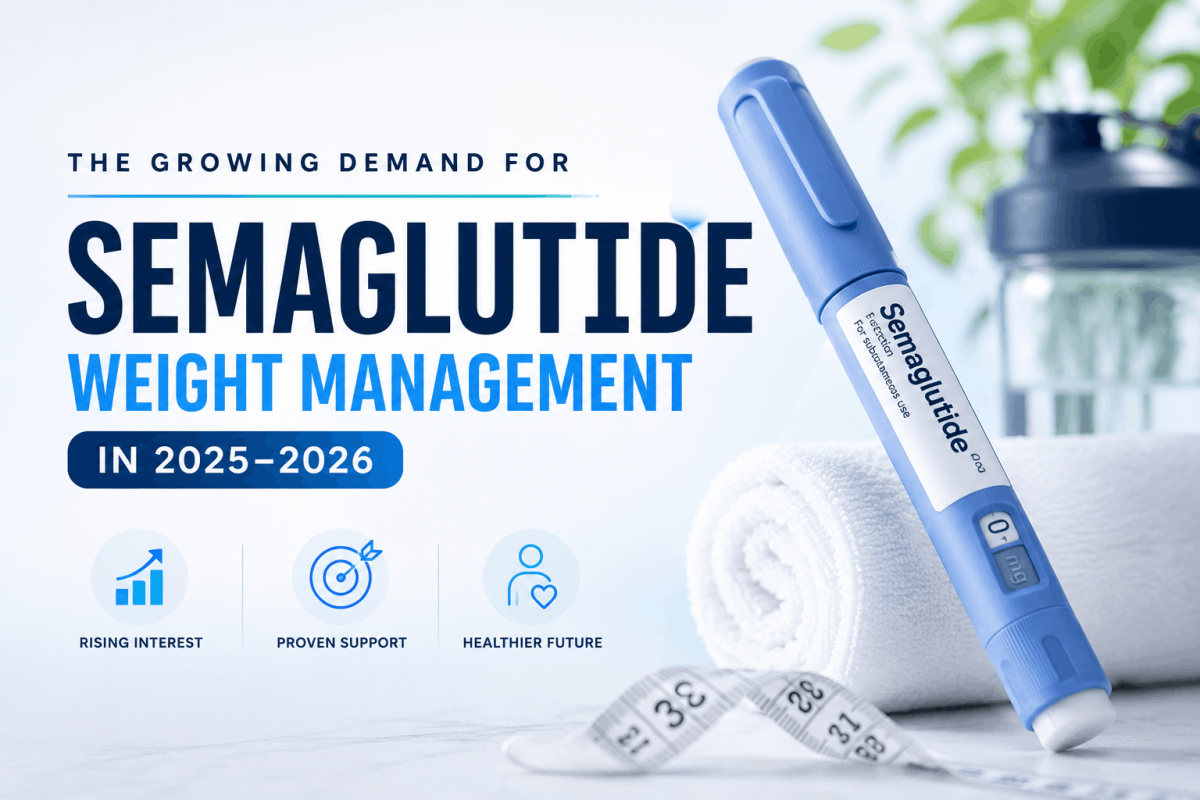
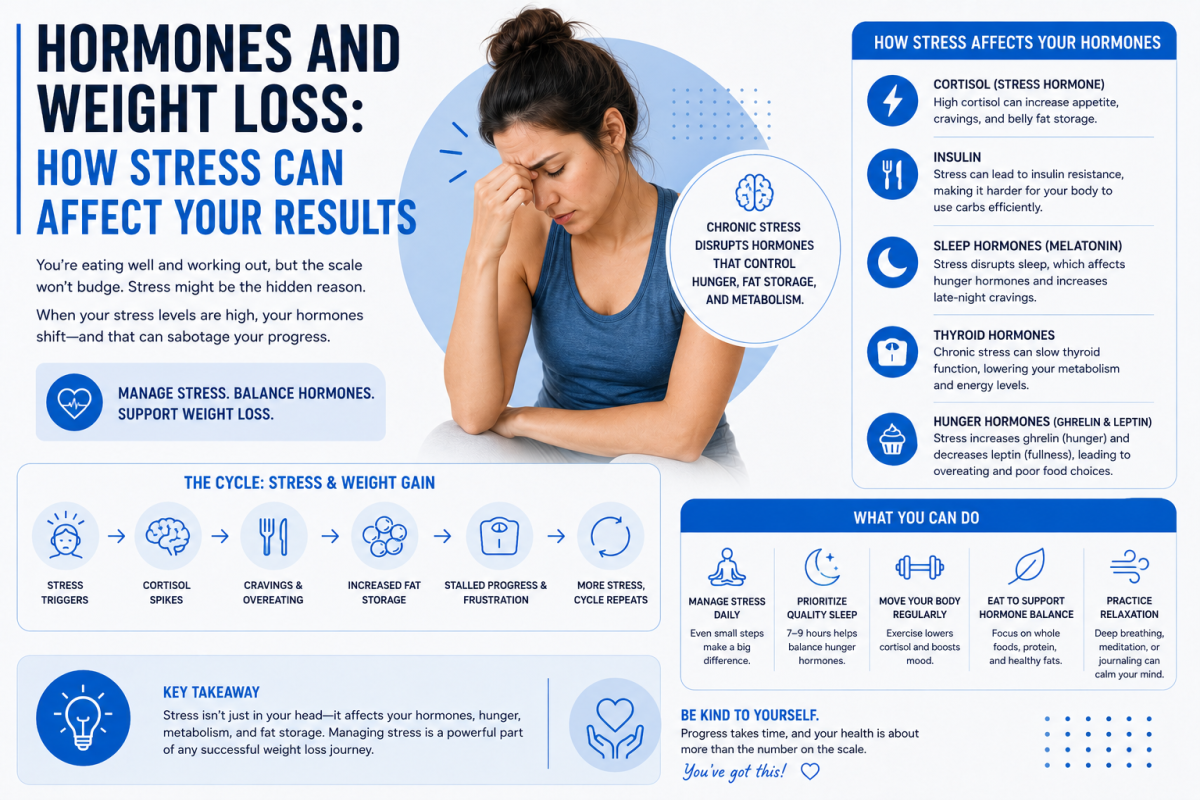
If you stop taking semaglutide, you may notice changes in your appetite, weight, and blood sugar over time. While the medication can be highly effective for weight management and type 2 diabetes, maintaining your results after treatment depends on healthy lifestyle habits and guidance from your healthcare provider. Understanding what to expect can help you prepare for a smooth transition.
Why Do People Stop Taking Semaglutide?
There are several reasons why someone may decide to stop taking semaglutide,
Including:
- Reaching their weight loss goal
- Completing a provider-recommended treatment plan
- Experiencing side effects
- Pregnancy or family planning
- Cost or insurance coverage changes
- Switching to another weight management treatment
Before discontinuing semaglutide, it’s always best to consult your healthcare provider.
What Happens After You Stop Taking Semaglutide?
Your Appetite May Increase
One of semaglutide’s primary effects is reducing appetite by helping you feel fuller for longer. After stopping the medication, hunger signals gradually return to their previous levels.
Some people notice:
- Increased hunger
- More frequent cravings
- Larger portion sizes
- Difficulty feeling full
This doesn’t happen overnight, but it can develop over several weeks.
Weight Regain Is Possible
Many people ask whether they’ll regain weight after stopping semaglutide. The answer depends largely on lifestyle habits.
Without the medication helping regulate appetite, some individuals may consume more calories than before. If healthy eating and regular exercise are not maintained, weight regain can occur.
However, many people successfully maintain their results by continuing healthy habits such as:
- Eating balanced meals
- Prioritizing lean protein
- Staying physically active
- Monitoring portion sizes
- Getting adequate sleep
Blood Sugar May Change
For individuals using semaglutide to help manage type 2 diabetes, stopping treatment may lead to changes in blood sugar levels.
Your healthcare provider may recommend:
- Monitoring blood glucose more closely
- Adjusting diabetes medications
- Scheduling follow-up appointments
Never stop diabetes medications without medical guidance.
Digestive Side Effects Usually Improve
Some people experience nausea, constipation, or stomach discomfort while taking semaglutide, especially during dose increases.
After stopping treatment, these side effects often improve as the medication gradually leaves the body.
Common improvements may include:
- Less nausea
- Improved digestion
- Reduced bloating
- More regular bowel movements
How Long Does Semaglutide Stay in Your Body?
Semaglutide has a long half-life, meaning it remains in the body for several weeks after your last injection.
Although the medication gradually decreases over time, its appetite-suppressing effects also slowly wear off. This is why changes in hunger and weight often happen gradually rather than immediately.
Source: HealthLine – Can You Have Withdrawal Symptoms from Semaglutide (Ozempic)?
Tips for Maintaining Weight Loss After Stopping Semaglutide
Maintaining your progress requires consistency. Healthy habits become the primary driver of long-term success.
Here are several strategies that can help:
Continue Eating High-Protein Meals
Protein helps increase fullness and supports muscle maintenance during weight management.
Stay Physically Active
Aim for regular exercise that includes both cardiovascular activity and strength training.
Monitor Your Weight
Checking your weight periodically can help you identify small changes before they become larger setbacks.
Build Sustainable Habits
Rather than relying on short-term diets, focus on routines you can maintain for years.
Stay Connected with Your Healthcare Provider
Regular follow-up appointments allow your provider to monitor your progress and recommend additional support if needed.
Should You Stop Taking Semaglutide Suddenly?
Do not stop semaglutide without discussing it with your healthcare provider. They can determine whether discontinuing treatment is appropriate and help you create a personalized plan for maintaining your results.
Depending on your health goals, your provider may recommend continuing treatment, adjusting your dose, or transitioning to another weight management strategy.
When Should You Talk to a Provider?
You should contact your healthcare provider if you:
- Are thinking about stopping semaglutide
- Notice rapid weight regain
- Experience changes in blood sugar
- Have concerns about side effects
- Need guidance on long-term weight management
A personalized treatment plan can help you achieve lasting success.
Final Thoughts
Stopping semaglutide doesn’t mean your progress has to end. While appetite may increase and weight regain is possible for some individuals, long-term success depends on maintaining healthy eating habits, regular physical activity, and ongoing support from your healthcare provider.
If you’re considering stopping semaglutide, work with a qualified medical professional to develop a plan that supports your long-term health and weight management goals.
Frequently Asked Questions
Will I gain all the weight back after I stop taking semaglutide?
Not necessarily. Weight regain varies from person to person and is influenced by diet, exercise, sleep, and other lifestyle habits. Many individuals maintain much of their weight loss by continuing healthy routines.
Can I restart semaglutide later?
In many cases, yes. Your healthcare provider can determine whether restarting semaglutide is appropriate based on your health status and treatment goals.
Does semaglutide need to be tapered off?
Your provider will advise you on the best approach. Follow their guidance rather than stopping or changing your medication plan on your own.
Thinking about stopping semaglutide or exploring your weight management options? Hormone Online provides personalized medical guidance, comprehensive evaluations, and ongoing support to help you make informed decisions about your health. Contact our team today to discuss the treatment plan that’s right for you.
Related Reading: Also explore our articles on Who Is a Good Candidate for Semaglutide Weight Loss Treatment? and Body Composition Changes During Weight Loss to learn more about factors that may affect your progress.