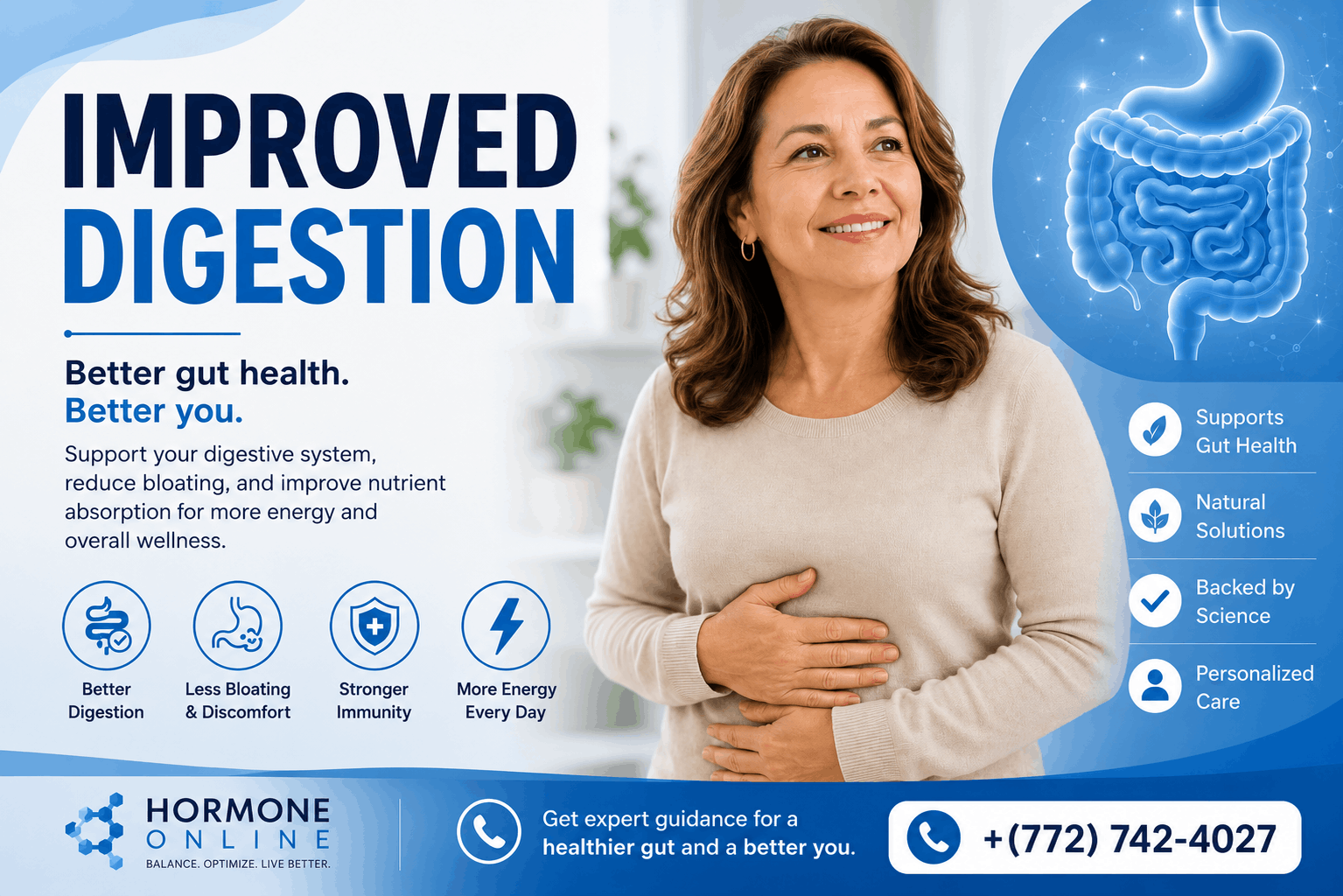
Improved Digestion is essential for your overall health and well-being. A healthy digestive system helps your body absorb nutrients efficiently, supports your immune system, and contributes to better energy levels. If you’ve been experiencing bloating, constipation, gas, or stomach discomfort, improving your digestion through healthy lifestyle habits can help you feel your best every day.
Signs You Need Improved Digestion
Occasional digestive discomfort is common, but ongoing symptoms may indicate that your digestive system needs attention. Common signs include:
- Frequent bloating
- Constipation or diarrhea
- Excess gas
- Acid reflux
- Stomach cramps
- Feeling overly full after meals
- Fatigue after eating
Addressing these symptoms early can help prevent them from becoming chronic issues.
Causes That Can Limit Improved Digestion
Several factors can affect how well your digestive system functions, including:
- Poor eating habits
- Low fiber intake
- Dehydration
- High stress levels
- Lack of physical activity
- Certain medications
- Hormonal changes
Identifying the root cause is an important step toward long-term digestive health.
⚠️ Medical Disclaimer: This article is for educational purposes only and does not replace professional medical advice, diagnosis, or treatment. Weight loss challenges can have various causes and should be evaluated by a qualified healthcare provider who can offer personalized recommendations based on your individual health needs.
Simple Ways to Improve Digestion
Eat More Fiber
Fiber supports healthy bowel movements and feeds beneficial gut bacteria. Add more fruits, vegetables, whole grains, beans, and legumes to your meals.
Stay Hydrated
Drinking enough water helps move food through your digestive tract and reduces the risk of constipation.
Slow Down While Eating
Eating too quickly can cause bloating and indigestion. Chew your food thoroughly and give your digestive system time to process each meal.
Exercise Regularly
Physical activity stimulates the muscles in your digestive tract, helping food move efficiently through your system.
Manage Stress
Stress can directly impact digestion. Activities like walking, meditation, deep breathing, or getting adequate sleep can help improve gut function.
Can Hormones Affect Digestion?
Yes. Hormones influence many digestive processes, including stomach emptying, bowel function, and appetite. Hormonal imbalances may contribute to symptoms such as constipation, bloating, or changes in bowel habits.
If digestive issues occur alongside fatigue, weight changes, low energy, or other hormone-related symptoms, a comprehensive evaluation may help identify underlying causes.
Source: HealthLine – 12 Tips to Improve Digestion Naturally for Better Gut Health
When to Seek Medical Help for Improved Digestion
While occasional digestive discomfort is normal, persistent symptoms should be evaluated by a healthcare provider. Seek medical attention if you experience:
- Severe abdominal pain
- Blood in your stool
- Unexplained weight loss
- Persistent vomiting
- Symptoms lasting several weeks
Early evaluation can help identify digestive disorders or other health conditions before they become more serious.
Improve Digestion and Feel Your Best
Healthy digestion is the foundation of overall wellness. By making simple lifestyle changes and addressing any underlying health concerns, you can reduce digestive discomfort, improve nutrient absorption, and support your long-term health.
If you’re experiencing ongoing digestive issues that may be connected to hormone imbalances or metabolic health, the team at HormoneOnline can help you explore personalized treatment options designed to support your overall well-being.
Frequently Asked Questions
How can I improve digestion naturally?
Eating more fiber, staying hydrated, exercising regularly, managing stress, and chewing food thoroughly can all support better digestion.
What foods help improve digestion?
Fiber-rich foods such as vegetables, fruits, whole grains, legumes, yogurt with probiotics, and fermented foods can promote healthy digestion.
Can hormones affect digestion?
Yes. Hormonal changes can influence bowel movements, appetite, and digestive function, sometimes contributing to bloating or constipation.
When should I see a doctor for digestive problems?
If symptoms are severe, persistent, or accompanied by blood in the stool, unexplained weight loss, or ongoing pain, you should seek medical evaluation.
Related Reading: Also explore our articles on Why Does Semaglutide Cause Nausea? and Why Do People Stop Taking Semaglutide? to learn more about factors that may affect your progress.