Hormonal changes can affect many aspects of your health, from sleep and energy to mood, sexual wellness, and overall quality of life. For women going through perimenopause and menopause, declining and fluctuating hormone levels can bring uncomfortable symptoms that interfere with everyday activities.
Hormone Replacement Therapy (HRT) is one treatment option that may help manage certain symptoms associated with menopause. It works by replacing hormones that the body no longer produces at the same levels, particularly estrogen.
Today, accessing hormone-related care has become more convenient through telehealth services. Instead of visiting a clinic for every appointment, eligible patients may be able to consult a licensed healthcare professional online, discuss symptoms, complete recommended testing, and receive prescriptions when medically appropriate.
But where can you get HRT online? How do you know whether a provider is legitimate? And what should you understand before starting treatment?
This guide explains how HRT works, its potential benefits and risks, and how to find a reliable online hormone therapy provider.
What Is Hormone Replacement Therapy (HRT)?
Hormone Replacement Therapy is a medical treatment that replaces hormones the body produces in lower amounts or no longer produces at the same levels.
In the context of menopause, HRT most commonly refers to estrogen therapy, sometimes combined with a progestogen.
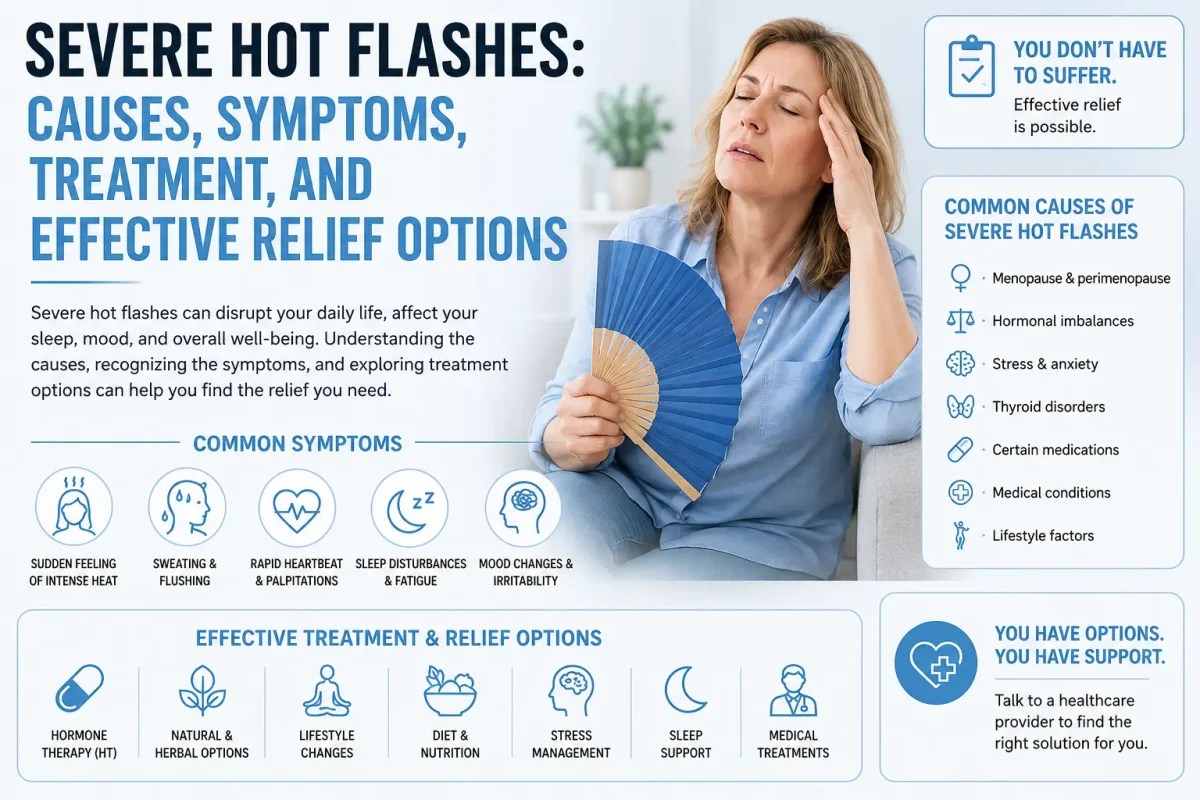
During perimenopause and menopause, estrogen production changes and eventually declines. These changes can contribute to symptoms such as:
- Hot flashes and night sweats.
- Vaginal dryness and discomfort during sex.
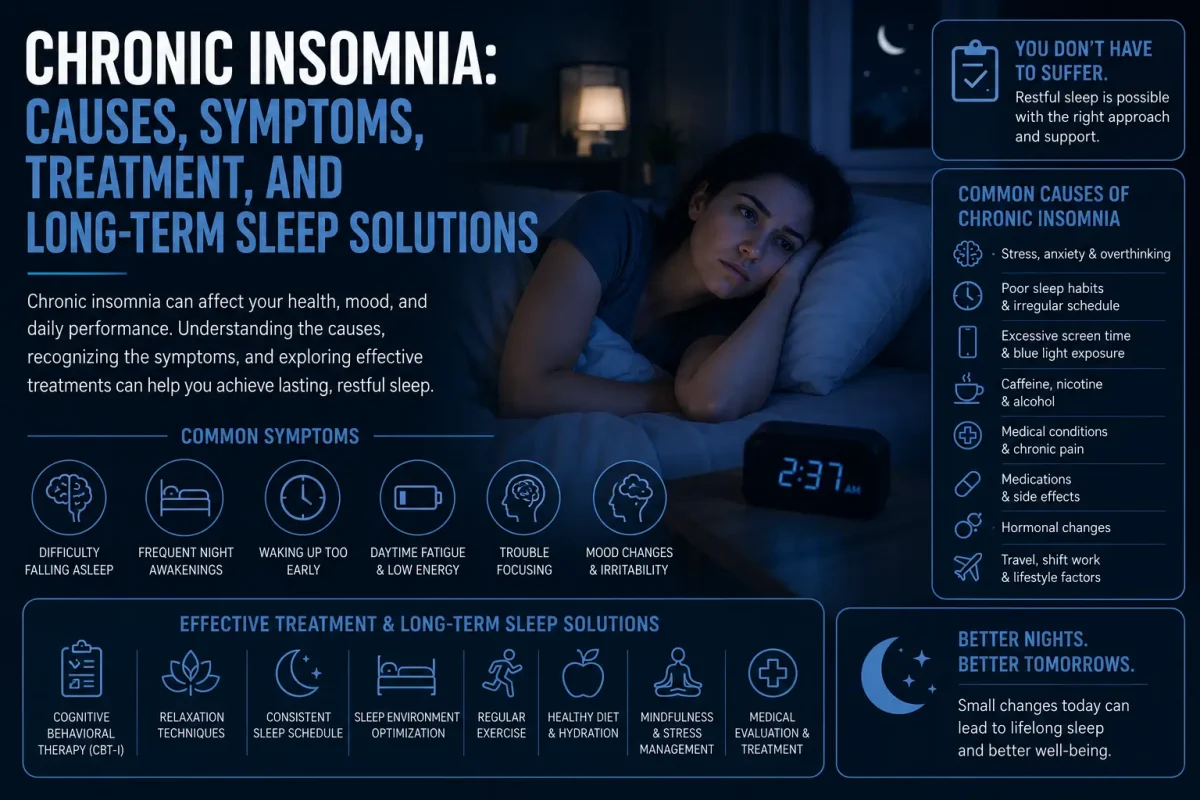
- Sleep disturbances.
- Mood changes.
- Changes in menstrual patterns.
- Urinary and vaginal symptoms.
- Reduced bone density after menopause.
HRT can help manage several of these symptoms. However, treatment is not necessary for everyone, and the best option depends on your symptoms, health history, and personal preferences.
Hormone therapy also has other medical applications, including treatment for certain cases of testosterone deficiency and premature ovarian insufficiency. These treatments have different indications and monitoring requirements.
For a broader explanation, read our guide to What Is Hormone Therapy? Types, Benefits, and How HRT Works.
How Does HRT Work?
HRT supplies hormones through prescribed medications. Depending on the treatment, hormones may enter the bloodstream through the skin, digestive system, or vaginal tissues.
The type of hormone and delivery method depend on the symptoms being treated and the patient’s medical circumstances.
Estrogen Therapy
Estrogen is the main hormone used to treat many menopause-related symptoms.
It helps relieve vasomotor symptoms such as hot flashes and night sweats. It can also help with vaginal and urinary symptoms, although low-dose vaginal estrogen is often used specifically for genitourinary symptoms.
Estrogen treatment is available in several forms, including:
- Tablets.
- Skin patches.
- Gels.
- Sprays.
- Vaginal creams.
- Vaginal tablets or inserts.
- Vaginal rings.
Systemic estrogen, which circulates throughout the body, may be appropriate for women with bothersome hot flashes and other widespread menopause symptoms. Local vaginal estrogen generally delivers lower doses directly to vaginal tissues.
Progesterone and Progestogens
Women who still have a uterus generally need a progestogen alongside systemic estrogen.
Why? Estrogen without adequate progestogen can stimulate the uterine lining and increase the risk of endometrial hyperplasia and cancer.
Progesterone and other progestogens help protect the uterine lining during systemic estrogen treatment.
The appropriate combination depends on your medical history, treatment type, and whether you have had a hysterectomy.
Other Hormone Treatments
Some patients may need other forms of hormone treatment for different medical conditions.
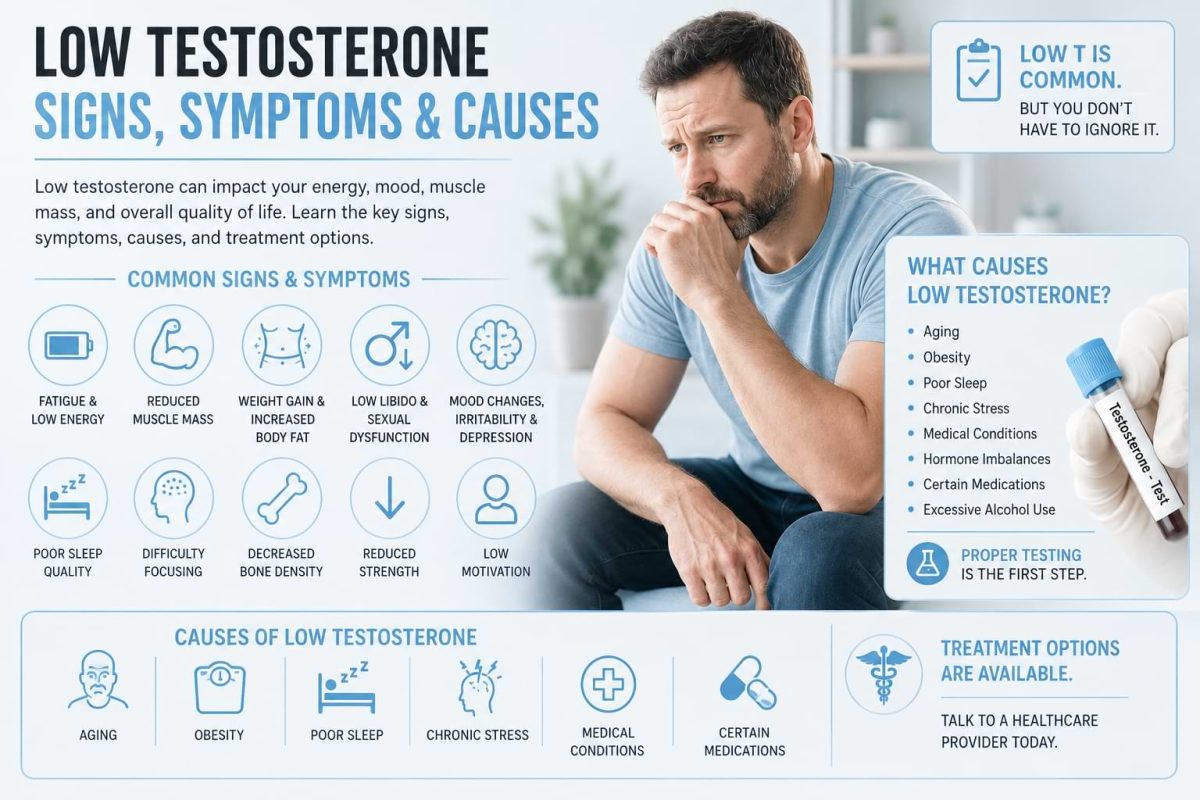
For example, testosterone replacement therapy may be prescribed for men with confirmed testosterone deficiency. Thyroid hormone replacement treats an underactive thyroid, while growth hormone treatment is reserved for specific diagnosed conditions.
These treatments should not be confused with standard menopausal HRT because their uses, risks, and monitoring requirements differ.

What Are the Potential Benefits of HRT?
For appropriately selected patients, HRT can provide meaningful relief from certain symptoms associated with menopause.
However, results vary, and hormone therapy does not guarantee that every symptom will disappear.
1. Relief From Hot Flashes and Night Sweats
Hot flashes and night sweats are among the most common symptoms of menopause.
They can cause sudden feelings of heat, sweating, discomfort, and interrupted sleep.
Systemic HRT is an effective treatment for bothersome vasomotor symptoms and may help reduce their frequency and severity.
2. Better Sleep When Menopause Symptoms Improve
Night sweats and hot flashes can interrupt sleep throughout the night.
By reducing these symptoms, HRT may help some women experience more comfortable and consistent sleep.
However, sleep problems can have other causes, including sleep apnea, stress, medications, and other medical conditions.
3. Relief From Vaginal Dryness and Discomfort
Declining estrogen levels can affect vaginal and urinary tissues.
Some women experience vaginal dryness, irritation, painful intercourse, or urinary discomfort.
Low-dose vaginal estrogen can help treat genitourinary symptoms of menopause. Other options may include vaginal moisturizers and lubricants.
4. Support for Bone Health
Estrogen helps maintain bone density. After menopause, declining estrogen levels can accelerate bone loss.
Systemic HRT can help prevent bone loss and reduce fracture risk in appropriate patients. However, it should not automatically be prescribed solely to prevent osteoporosis when other treatments may be more suitable.
5. Improvements in Menopause-Related Quality of Life
Menopause symptoms can affect work, relationships, sleep, and everyday activities.
When HRT reduces bothersome symptoms, some women experience improvements in comfort and daily functioning.
Still, HRT is not a universal treatment for fatigue, depression, anxiety, weight loss, or aging.
Where Can You Get HRT Online?
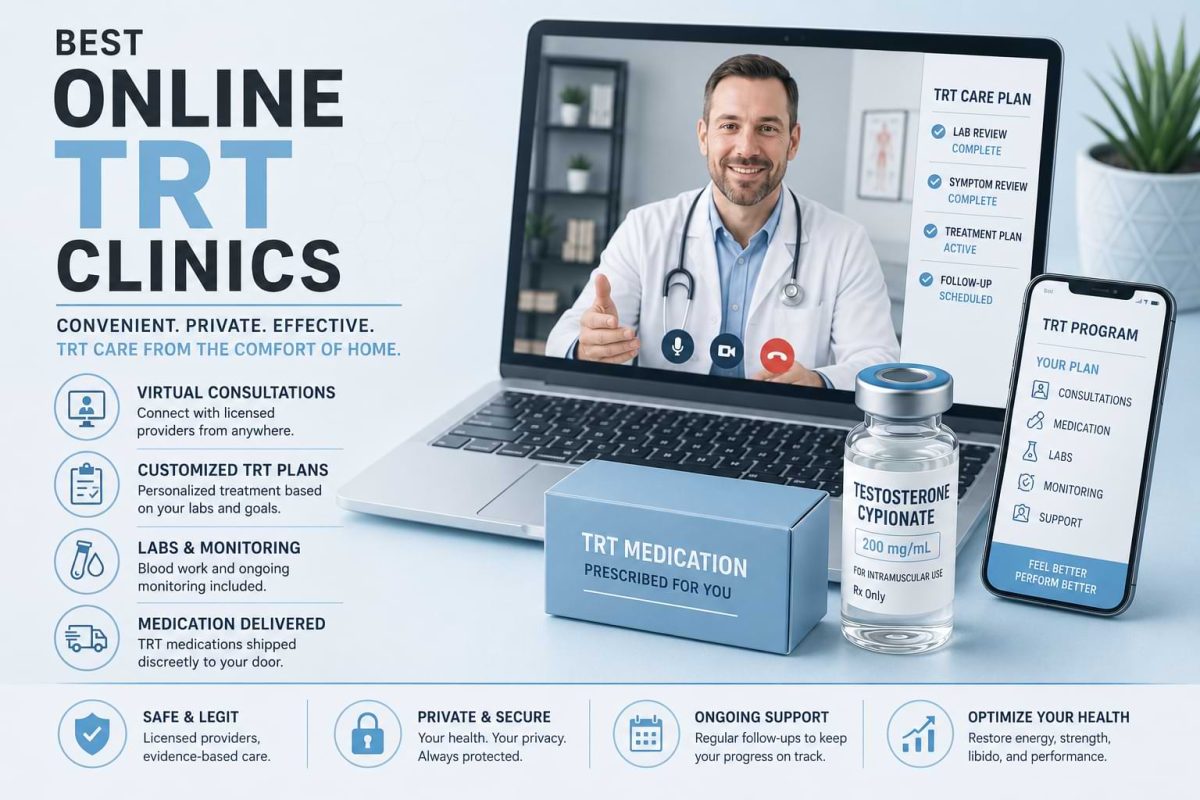
You can access HRT-related care through legitimate telehealth providers, online menopause clinics, and healthcare practices that offer virtual consultations.
The most important consideration is not whether a provider operates online or in person. It is whether the provider offers appropriate medical evaluation, prescribing, and follow-up care.
Here are common ways to access HRT online.
1. Online Menopause Clinics
Some healthcare practices specialize in perimenopause and menopause care.
They may offer virtual appointments with clinicians who evaluate menopause symptoms, review medical history, discuss treatment options, and provide ongoing support.
Depending on the provider and your location, services may include:
- Online consultations.
- Menopause symptom assessments.
- Prescription management.
- Laboratory testing when indicated.
- Follow-up appointments.
- Referrals to specialists when needed.
2. Telehealth Healthcare Providers
General telehealth practices may also offer consultations for menopause-related symptoms.
During a virtual appointment, a licensed healthcare professional may discuss your symptoms, review your health history, and determine whether an in-person examination or additional testing is necessary.
Not every patient is suitable for virtual-only care. Some symptoms require a physical examination, imaging, or specialist assessment.
3. Online Healthcare Services With Pharmacy Delivery
Some telehealth services work with licensed pharmacies to dispense prescribed hormone medications and deliver them to eligible patients.
Before choosing this option, confirm that the pharmacy is properly licensed and that your medication comes from a legitimate supply chain.
A valid prescription and professional oversight should remain part of the process.
How Hormone Online Fits Into Online HRT Care
Hormone Online provides online hormone-related healthcare services, including hormone replacement therapy options.
The goal of telehealth is to make it easier to discuss hormone-related concerns and explore appropriate treatment options without requiring every consultation to take place in a physical clinic.
Patients should review the available services, eligibility requirements, clinician credentials, consultation process, and follow-up arrangements before beginning treatment.
You can visit the Hormone Online contact page to ask questions about available services and the next steps for a consultation.
How to Choose a Legitimate HRT Provider Online
Finding an online HRT provider requires more than comparing prices or choosing the first website that appears in search results.
Prescription hormone medications require appropriate medical oversight. A legitimate provider should evaluate your health before recommending treatment.
Here are important things to check before choosing an online service.
1. Verify Healthcare Professional Credentials
Make sure the healthcare professional evaluating you holds an active license and is authorized to provide care in your state.
For U.S. telehealth services, clinicians generally need to comply with licensing requirements in the state where the patient is located.
Look for clear information about the clinician’s qualifications, professional background, and experience with menopause or hormone-related care.
2. Look for a Proper Medical Evaluation
A trustworthy provider should ask about your symptoms, medical history, current medications, and personal health risks.
The consultation should give you an opportunity to discuss:
- Menstrual and menopause history.
- Previous surgeries, including hysterectomy.
- Personal and family medical history.
- History of breast or other hormone-sensitive cancers.
- Blood clots, stroke, or cardiovascular conditions.
- Liver disease.
- Current medications and supplements.
- Treatment preferences and concerns.
A website that promises HRT without reviewing your health history should raise concerns.
3. Understand the Testing Requirements
Not every woman needs a large hormone panel to diagnose menopause.
For otherwise healthy women aged 45 or older with typical menopause symptoms, clinicians can often identify perimenopause or menopause based on symptoms and menstrual history.
However, blood tests may be appropriate in younger women, people with unusual symptoms, or situations where another medical condition is suspected.
A provider should explain why a particular test is necessary rather than automatically recommending expensive testing packages.
4. Confirm That the Provider Offers Follow-Up Care
Starting HRT is only one part of treatment.
A reliable provider should offer follow-up appointments to evaluate your response, discuss side effects, and review whether your treatment remains appropriate.
Ask how you can contact the care team if you experience unexpected symptoms or have questions about your medication.
5. Check the Pharmacy’s License
If the provider sends prescriptions to an online pharmacy, verify that the pharmacy is licensed.
The U.S. Food and Drug Administration (FDA) recommends using online pharmacies that require valid prescriptions, provide a physical U.S. address and telephone number, have licensed pharmacists available, and hold the appropriate state pharmacy licenses.
You can use the FDA’s BeSafeRx online pharmacy resources to learn how to check pharmacy safety.
Are Online HRT Prescriptions Safe?
Online HRT prescriptions can be appropriate when a qualified healthcare professional evaluates the patient and provides ongoing medical supervision.
However, not every online hormone service follows the same standards.
Be cautious of websites that:
- Sell prescription hormones without requiring a valid prescription.
- Promise guaranteed results.
- Recommend the same treatment to everyone.
- Do not review your medical history.
- Do not explain potential risks or side effects.
- Have no clear information about their healthcare professionals.
- Cannot identify the pharmacy dispensing the medication.
- Offer hormone products from unlicensed or unverified sources.
The FDA warns that unsafe online pharmacies may sell counterfeit, expired, or incorrectly formulated medications.
Convenience should never come at the expense of medication safety.
FDA-Approved HRT vs. Compounded Bioidentical Hormones
When searching for HRT online, you may encounter the phrase “bioidentical hormones.”
Bioidentical hormones have a chemical structure identical to hormones naturally produced by the body. Importantly, some FDA-approved hormone medications are already bioidentical.
However, bioidentical does not automatically mean safer, more effective, or more natural.
FDA-Approved Hormone Products
FDA-approved hormone medications have undergone regulatory review for safety, effectiveness, and manufacturing quality for their approved uses.
They are available in different formulations, strengths, and delivery methods.
Examples include certain estradiol and progesterone products.
Compounded Bioidentical Hormones
Compounded hormones are custom-prepared by a pharmacy to meet an individual prescription.
They may be considered when an approved medication cannot meet a specific medical need. However, compounded preparations do not undergo the same FDA premarket review for safety, effectiveness, and quality as FDA-approved drugs.
The American College of Obstetricians and Gynecologists (ACOG) recommends FDA-approved menopausal hormone therapy over compounded bioidentical hormone therapy when approved options are available.
There is also no reliable evidence that compounded hormones are automatically safer or more effective.
Be cautious of marketing that describes compounded products as risk-free or guarantees that they will perfectly match your natural hormone levels.
What Are the Possible Risks and Side Effects of HRT?
HRT can provide meaningful symptom relief, but it also carries potential risks.
The benefits and risks depend on several factors, including:
- Your age.
- Time since menopause.
- Medical history.
- Type of hormone used.
- Dose and delivery method.
- Whether estrogen is combined with a progestogen.
- Duration of treatment.
Possible side effects include:
- Breast tenderness.
- Bloating.
- Headaches.
- Nausea.
- Irregular vaginal bleeding.
- Skin irritation from patches or gels.
Some forms of systemic HRT may also affect the risk of blood clots, stroke, gallbladder disease, breast cancer, and endometrial cancer.
The risk profile differs between estrogen-only and combined therapy. Women with an intact uterus generally need a progestogen alongside systemic estrogen to protect the uterine lining.
What Changed in the FDA’s HRT Warnings in 2026?
In February 2026, the FDA approved labeling changes for six menopausal hormone therapy products. The changes removed statements about cardiovascular disease, breast cancer, and probable dementia from the boxed warnings for those products.
However, this does not mean that every risk has disappeared.
Relevant safety information remains elsewhere in product labeling, and the endometrial cancer warning remains on applicable systemic estrogen-only products.
The updated warnings should not be interpreted as a recommendation for every woman to use HRT. Individual assessment remains essential.
For more information, read our guide to HRT for Managing Menopause: Is It Safe?.
What Happens During an Online HRT Consultation?
The process may vary by provider, but a responsible online HRT consultation generally follows several steps.
Step 1: Complete an Initial Health Assessment
You may be asked to provide information about your symptoms, medical history, menstrual cycle, medications, and treatment goals.
Answer questions accurately so the clinician can assess whether telehealth is appropriate.
Step 2: Meet With a Licensed Healthcare Professional
During the appointment, the clinician reviews your information and discusses your symptoms.
You should have time to ask questions about available treatments, expected benefits, possible risks, and alternatives.
Step 3: Complete Recommended Testing
If testing is necessary, the provider may arrange laboratory work or recommend an in-person assessment.
The tests should be selected according to your symptoms and medical history.
Step 4: Discuss Your Treatment Plan
If HRT is medically appropriate, your clinician can discuss the medication type, dose, delivery method, and follow-up schedule.
Treatment should reflect your individual circumstances rather than a standard package offered to every patient.
Step 5: Receive Prescriptions and Ongoing Support
When prescribed, medication may be sent to a licensed pharmacy for dispensing and delivery, depending on the provider and state requirements.
Follow-up appointments help your clinician evaluate your response and address any concerns.

Frequently Asked Questions About Getting HRT Online
1. Can I get HRT online without visiting a clinic?
In some cases, yes. Telehealth providers may evaluate eligible patients virtually and prescribe treatment when medically appropriate. However, some patients need laboratory testing, an in-person examination, imaging, or specialist care.
2. Do I need a blood test before starting HRT?
Not always. Women aged 45 or older with typical menopause symptoms can often be diagnosed based on their symptoms and menstrual history. Testing may be appropriate in younger women or when the diagnosis is uncertain.
3. Can I get HRT delivered to my home?
Some legitimate telehealth services work with licensed pharmacies that deliver prescribed medications. Availability depends on the medication, pharmacy, state requirements, and provider arrangements.
4. Is online HRT as effective as in-person treatment?
The effectiveness of HRT depends primarily on the prescribed treatment, appropriate dosing, and patient-specific factors—not simply whether the consultation occurs online or in person.
Telehealth can support suitable patients, but it cannot replace examinations or procedures when they are medically necessary.
5. Are bioidentical hormones safer than traditional HRT?
Not automatically. Some FDA-approved HRT products are bioidentical. Custom-compounded bioidentical hormones do not have the same FDA premarket review as approved products, and there is no strong evidence that they are generally safer or more effective.
6. How long does it take for HRT to work?
Some symptoms, such as hot flashes, may begin improving within a few weeks. Other symptoms can take longer. Your response depends on the medication, dose, and individual health circumstances.
7. Can everyone use HRT?
No. Certain medical conditions, including some hormone-sensitive cancers, unexplained vaginal bleeding, active or recent blood clots, stroke, heart attack, and liver disease, may make systemic HRT unsuitable or require specialist assessment.
A qualified healthcare professional should review your personal risks before treatment.
Final Thoughts: Find the Right HRT Care Online
Hormone Replacement Therapy can help eligible women manage bothersome menopause symptoms and improve their quality of life. With telehealth services, accessing consultations and discussing treatment options may be more convenient than arranging every appointment in person.
However, convenience should never replace proper medical care.
Before choosing an online HRT provider, verify the clinician’s credentials, understand the consultation process, confirm pharmacy licensing, and make sure follow-up care is available.
At Hormone Online, we believe that understanding your hormone health is an important step toward making informed healthcare decisions. If you are considering HRT, learn about your options and discuss your concerns with a qualified healthcare professional.
Medical Disclaimer: This article is for educational purposes only and does not replace professional medical advice, diagnosis, or treatment. Hormone replacement therapy has potential benefits, risks, and contraindications. Treatment decisions should be made with a qualified healthcare professional based on an individual’s medical history and clinical needs. Service availability and prescribing requirements may vary by location.
Medical review recommendation: Before publication, have a qualified healthcare professional review the article for clinical accuracy, especially the sections covering treatment eligibility, contraindications, risks, and prescribing practices.
Take the Next Step Toward Optimized Living
Your wellness journey doesn’t end here. It evolves with the right guidance, research, and support.
Subscribe to Hormone Online Insights
Connect with a Hormone Specialist
Explore Our Evidence Based Resource Library