Testosterone comes in several forms, including injections, gels, patches, and other prescription formulations. Among the injectable forms, testosterone suspension is a formulation that works differently from commonly prescribed testosterone injections such as testosterone cypionate and testosterone enanthate.
But what exactly is testosterone suspension, and why is it different? Testosterone suspension generally refers to unesterified testosterone particles suspended in a liquid medium, commonly water. Unlike many traditional injectable testosterone products, it does not contain an attached ester designed to slow the release of the hormone. This difference affects how the medication behaves in the body. It also raises important questions about its medical use, safety, and suitability for testosterone replacement therapy (TRT). In this guide, we explain what testosterone suspension is, how it works, how it compares with other testosterone formulations, and what you should understand before considering testosterone treatment.
What Is Testosterone Suspension?
Testosterone suspension is a preparation containing testosterone in a suspended form rather than a conventional oil-based solution of an esterified testosterone compound. A pharmaceutical suspension contains tiny solid particles distributed throughout a liquid. These particles do not necessarily dissolve completely in the liquid. In the case of traditional aqueous testosterone suspension, the active ingredient is unesterified testosterone. This means the testosterone molecule does not have an additional ester chain attached to it. An ester is a chemical group that can change how a medication dissolves and how quickly the body absorbs it. Pharmaceutical companies use esterification in several injectable testosterone products to create a longer-lasting release. Because testosterone suspension lacks this ester modification, its release characteristics differ from those of commonly prescribed testosterone injections. It is important to remember that not every product advertised as testosterone suspension has the same formulation, manufacturing quality, or regulatory status.
How Does Testosterone Suspension Work?
To understand how testosterone suspension works, it helps to understand how testosterone behaves after entering the body. Testosterone is an androgen hormone that binds to androgen receptors in different tissues. These receptors help regulate biological processes involving muscle development, bone health, red blood cell production, and sexual function. When testosterone enters circulation, it can:
- Bind to androgen receptors in target tissues.
- Support muscle protein development.
- Contribute to bone maintenance.
- Influence sexual desire and reproductive function.
- Support red blood cell production.
- Convert into other hormones, including estradiol and dihydrotestosterone (DHT).
The main difference with testosterone suspension involves its release and absorption.
Why Does the Lack of an Ester Matter?
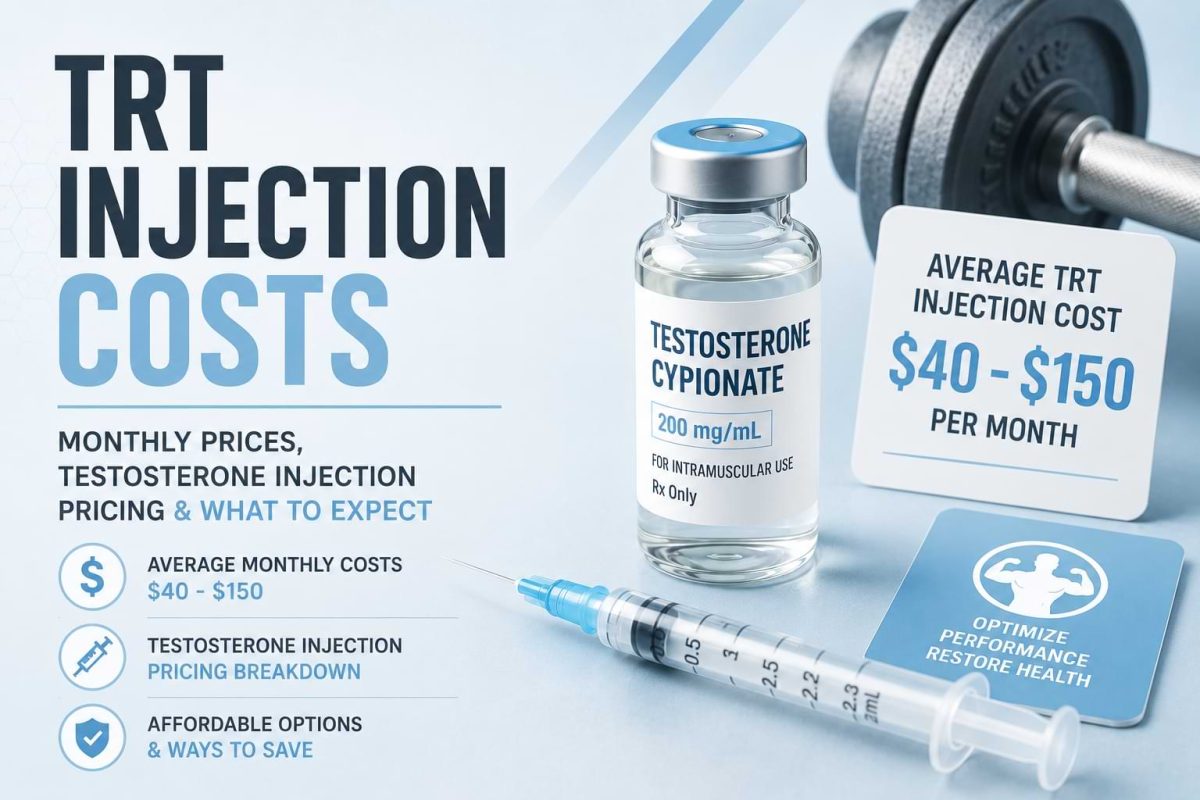
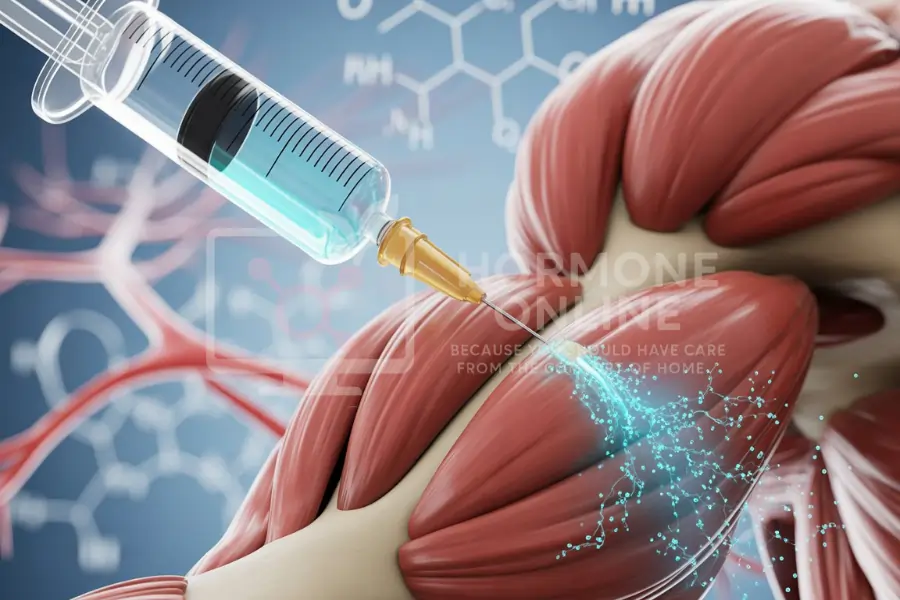
Common injectable testosterone products contain esterified testosterone. The ester makes the compound more compatible with an oil-based vehicle and helps create a depot after injection. The body gradually releases and processes the esterified testosterone from this depot. Unesterified testosterone does not have the same prolonged-release mechanism. Research on unmodified injectable testosterone describes a very short systemic half-life, which makes maintaining stable testosterone concentrations difficult. However, the absorption of a suspension also depends on its particle characteristics and formulation. It is not accurate to assume that every suspension behaves identically. [Photo suggestion 1: Medical illustration comparing an aqueous testosterone suspension with an oil-based testosterone ester injection, highlighting the differences in formulation and release.]
Testosterone Suspension vs. Testosterone Cypionate and Enanthate
One of the most important distinctions is how testosterone suspension compares with more commonly prescribed injectable testosterone formulations. Testosterone cypionate and testosterone enanthate are esterified testosterone products. Their ester chains help slow the release of testosterone after injection. Traditional aqueous testosterone suspension contains unesterified testosterone and does not rely on the same oil-depot mechanism. Here is a simple comparison:
| Feature | Testosterone suspension | Testosterone cypionate | Testosterone enanthate |
|---|---|---|---|
| Chemical form | Generally unesterified testosterone | Testosterone ester | Testosterone ester |
| Typical vehicle | Aqueous suspension | Oil-based solution | Oil-based solution |
| Release characteristics | Generally shorter acting, formulation dependent | Longer acting | Longer acting |
| Common medical role | Limited and formulation dependent | Established prescription TRT option | Established prescription TRT option |
| Monitoring | Requires medical assessment | Requires medical assessment | Requires medical assessment |
The key difference is not that one form contains stronger testosterone. They all deliver the same active hormone once testosterone becomes available to the body. Instead, their formulations influence how the hormone is released and how often treatment may need to be administered.
What Is Testosterone Suspension Used For?
Testosterone suspension has historical medical uses and has also appeared in bodybuilding and performance-enhancement settings. However, these uses should not be confused.
1. Historical Medical Use
Aqueous testosterone preparations were developed before many of the longer-acting testosterone esters became widely available. Their short duration of action made them less convenient for long-term replacement therapy. Modern testosterone treatment generally uses formulations with more practical release characteristics, including approved gels, patches, and injectable testosterone esters.
2. Testosterone Replacement Therapy
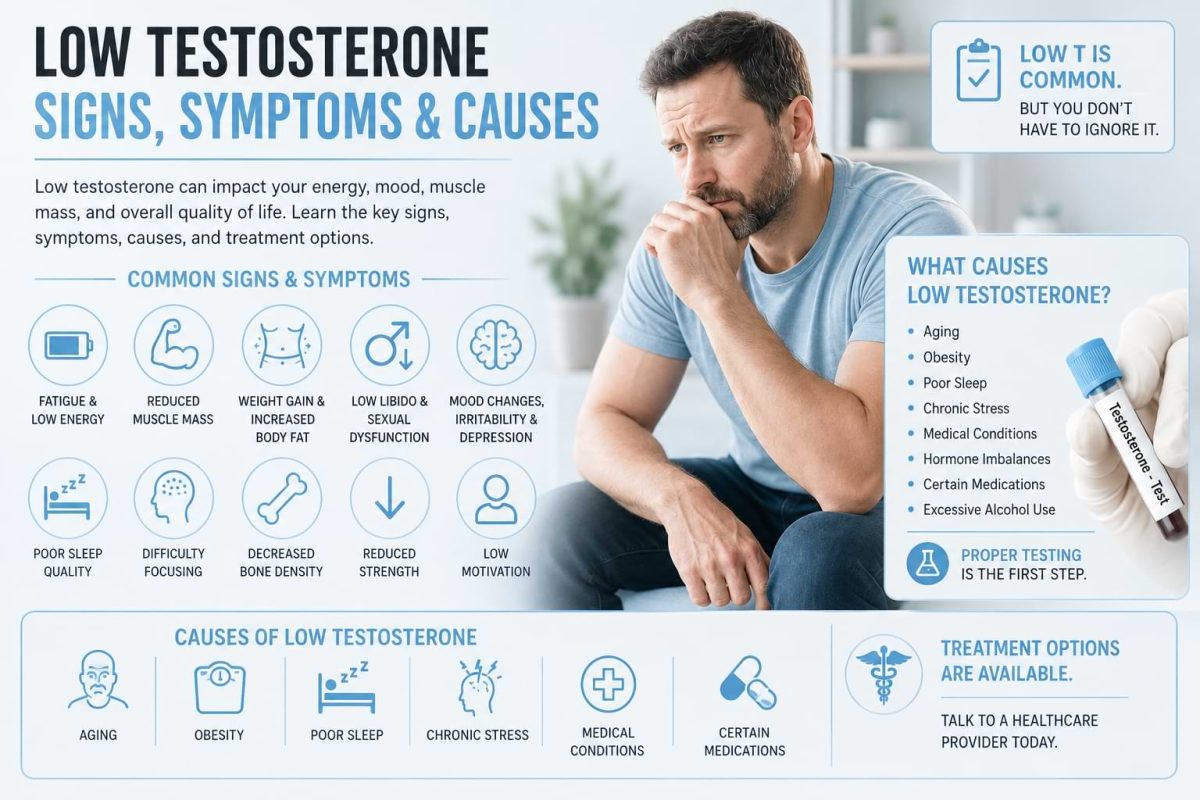
TRT is a medical treatment for men with diagnosed testosterone deficiency, also known as hypogonadism. The goal is to restore testosterone levels to an appropriate physiological range and improve symptoms caused by the deficiency. Although testosterone suspension is discussed in relation to TRT, it is not interchangeable with the commonly prescribed injectable formulations. Its suitability depends on the specific product, its regulatory status, and the patient’s medical needs. In the United States, the FDA lists approved testosterone formulations such as topical products and specific injectable preparations. Do not assume that an online product marketed as testosterone suspension is an FDA-approved TRT medication.
3. Bodybuilding and Performance Enhancement
Some people discuss testosterone suspension in bodybuilding because of its short-acting formulation. However, using testosterone to increase muscle size or athletic performance without a medical indication is different from medically supervised TRT. Nonmedical use can expose individuals to excessive androgen levels, hormonal suppression, fertility problems, and cardiovascular or other health risks. A short duration of action does not make a testosterone product safer.
What Are the Potential Benefits of Testosterone Treatment?
The potential benefits of testosterone treatment depend on whether a person has a genuine testosterone deficiency. For men with confirmed hypogonadism, appropriately prescribed testosterone therapy may help with:
Improved Sexual Desire
Testosterone plays a role in sexual desire. Men with low testosterone may experience reduced libido, and treatment can improve sexual interest in some patients.
Support for Muscle Mass
Testosterone contributes to muscle protein synthesis and lean body mass. When a man has testosterone deficiency, treatment may help improve lean body mass. However, results depend on physical activity, nutrition, age, and overall health.
Bone Health
Testosterone supports bone mineral density. Treatment may improve bone density in some men with hypogonadism. However, increased bone density does not automatically guarantee fracture prevention.
Red Blood Cell Production
Testosterone stimulates red blood cell production. This can help correct certain forms of anemia associated with testosterone deficiency. However, excessive increases in red blood cell levels can also become a treatment-related concern.
Other Possible Improvements
Some men may experience improvements in mood, energy, or general well-being. Nevertheless, these outcomes are not guaranteed, and symptoms such as fatigue and low motivation can have many other causes. Importantly, these potential benefits relate to medically appropriate testosterone treatment. They should not be interpreted as evidence that testosterone suspension is superior to other formulations.
What Are the Risks and Side Effects of Testosterone Suspension?
Testosterone suspension can produce the same general androgen-related effects and risks associated with testosterone exposure. Its specific safety profile also depends on the formulation, product quality, dose, route of administration, and individual health factors. Potential concerns include:
1. Hormonal Fluctuations
Shorter-acting testosterone preparations may produce more noticeable changes in circulating testosterone levels. Large fluctuations can make treatment response more difficult to manage and may contribute to changing symptoms.
2. Injection-Site Reactions
Injectable testosterone products can cause pain, redness, swelling, or irritation at the injection site. Aqueous suspensions may have different physical characteristics from oil-based injections, so product-specific administration and safety information matters.
3. Increased Hematocrit
Testosterone can stimulate red blood cell production. In some patients, this leads to an excessive increase in hematocrit, known as erythrocytosis. Clinicians monitor blood counts to identify this complication.
4. Acne and Oily Skin
Changes in androgen levels can increase skin oil production and contribute to acne.
5. Reduced Fertility
External testosterone can suppress the brain signals that stimulate natural testosterone and sperm production. This may reduce sperm count and fertility. Men who want children should discuss fertility-preserving alternatives with a specialist before beginning testosterone treatment.
6. Changes in Blood Pressure
The FDA required class-wide testosterone labeling changes in 2025 after studies found that testosterone products can increase blood pressure. Blood pressure monitoring is therefore important during treatment.
7. Other Potential Risks
Depending on individual circumstances, testosterone treatment may also contribute to fluid retention, breast tenderness, worsening of certain urinary symptoms, or aggravation of untreated severe sleep apnea. Seek urgent medical attention for chest pain, sudden difficulty breathing, one-sided leg swelling, or signs of a severe allergic reaction.
Is Testosterone Suspension FDA-Approved?
This is an important question, particularly for people researching testosterone products online. The FDA approves specific medications and formulations for particular medical uses. Approval of one testosterone product does not automatically mean that every product containing testosterone is approved. In the United States, FDA-approved testosterone formulations include certain injectable esters, topical gels, patches, and other specific products. A USP monograph also describes a pharmaceutical standard for testosterone injectable suspension. However, the existence of a USP monograph does not establish that a particular commercial product is FDA-approved. Before considering any testosterone suspension product, verify:
- The exact product and active ingredient.
- Whether the product has appropriate regulatory authorization.
- Whether it comes from a legitimate pharmacy.
- Whether a qualified healthcare professional prescribed it.
- Whether its formulation and instructions are supported by reliable product information.
Avoid products sold through bodybuilding websites, unverified online vendors, or sources that cannot demonstrate appropriate manufacturing and quality controls.
How Is Testosterone Deficiency Diagnosed Before TRT?
Testosterone treatment should not begin simply because someone feels tired, has difficulty building muscle, or notices a change in sexual desire. The Endocrine Society recommends diagnosing hypogonadism when a man has compatible symptoms or signs and consistently low testosterone levels. A proper assessment generally includes:
- Symptom evaluation: Your clinician reviews symptoms, medical history, and possible contributing conditions.
- Morning testosterone testing: Total testosterone is measured using an accurate laboratory test, generally in the morning.
- Repeat testing: A low result is confirmed with another morning measurement on a separate day.
- Additional hormone tests: LH and FSH may help determine whether the problem originates in the testes or the brain. Other tests may be appropriate.
- Treatment suitability: Your clinician considers fertility plans, prostate health, blood counts, sleep apnea, cardiovascular health, and other risk factors.
The purpose is to identify the cause of low testosterone and determine whether replacement therapy is appropriate. For more information, read our guide to Testosterone Replacement Therapy: A Beginner’s Guide.
What Are the Alternatives to Testosterone Suspension?
Men who need testosterone treatment may have several other options. The appropriate choice depends on the diagnosis, medical history, treatment goals, and available approved products. Common options include:
- Testosterone cypionate: An established injectable testosterone ester.
- Testosterone enanthate: Another commonly prescribed injectable ester.
- Testosterone undecanoate: A longer-acting injectable formulation available in certain markets.
- Testosterone gels: Topical products absorbed through the skin.
- Testosterone patches: Transdermal products that release testosterone over time.
- Other approved formulations: Certain oral, nasal, or other products may be available depending on the country.
Some men may also benefit from treating an underlying condition rather than receiving testosterone directly. For example, addressing obesity, medication effects, sleep disorders, or certain pituitary conditions may improve hormone function in selected patients. You can learn more about the differences between testosterone treatment options in our article, The Science Behind TRT: How It Works and What to Expect. [Photo suggestion 2: A healthcare professional discussing different testosterone treatment options with an adult male patient, with prescription medication and laboratory results visible.]
Frequently Asked Questions About Testosterone Suspension
1. Is testosterone suspension the same as testosterone cypionate?
No. Traditional aqueous testosterone suspension contains unesterified testosterone, while testosterone cypionate has an ester attached to the testosterone molecule. Their formulations and release characteristics are different.
2. Is testosterone suspension fast acting?
Unesterified testosterone has a short systemic half-life. However, the absorption of a suspension also depends on its formulation and particle characteristics. It should not be assumed that every product produces identical blood-level changes.
3. Is testosterone suspension used for TRT?
It has historical medical use, but it is not a standard substitute for commonly prescribed testosterone replacement formulations. The suitability of any product depends on its regulatory status, evidence, and a clinician’s assessment.
4. Does testosterone suspension help build muscle?
Testosterone can increase lean body mass in men with testosterone deficiency. However, using testosterone without a medical indication for bodybuilding or performance enhancement carries significant health risks.
5. Is testosterone suspension safer than other testosterone injections?
There is no good basis for considering testosterone suspension automatically safer. Safety depends on the product, formulation, quality, medical indication, dose, and monitoring.
6. Can testosterone suspension affect fertility?
Yes. External testosterone can suppress the hormonal signals needed for normal sperm production. Men planning to have children should discuss their options with a healthcare professional before starting testosterone treatment.
7. Can I use testosterone suspension without a prescription?
In the United States, testosterone is a controlled prescription medication. It should only be obtained through a legitimate prescription and a licensed pharmacy. Rules differ by country, so check the applicable local regulations.
Final Thoughts: Understand the Formulation Before Considering Testosterone Treatment
Testosterone suspension is a distinct testosterone formulation that generally contains unesterified testosterone particles suspended in a liquid medium. Unlike commonly prescribed testosterone esters, it does not rely on an attached ester to create a prolonged-release effect. Although it has historical medical use and is discussed in bodybuilding settings, it should not be treated as a superior or interchangeable option for routine TRT. If you are experiencing symptoms that may be related to low testosterone, start with proper medical testing and an evaluation of the underlying cause. A qualified healthcare professional can help determine whether testosterone treatment is appropriate and which formulation offers a suitable balance of convenience, effectiveness, and safety.
We Offer Telemedicine Hormone Replacement Therapy Services. Access expert HRT care from the comfort of your home. We provide virtual consultations in these key cities and regions. ➡️ Start Your Virtual Consultation Today! / Semaglutide weight loss program Port Saint Lucie
Take the Next Step Toward Optimized Living
Your wellness journey doesn’t end here. It evolves with the right guidance, research, and support.