Growth hormone injections are prescription medications used to treat specific medical conditions related to growth hormone deficiency and certain growth disorders. Although human growth hormone (HGH) is sometimes discussed in connection with muscle development, weight management, and healthy aging, it is not appropriate for everyone, and treatment can cause side effects.
Understanding how growth hormone injections work, when they may be prescribed, and what risks to consider can help you have a more informed conversation with a qualified healthcare professional.
This guide explains the medical uses of growth hormone injections, potential side effects, important safety considerations, and why proper medical supervision matters.
What Are Growth Hormone Injections?
Growth hormone is a hormone naturally produced by the pituitary gland, a small gland located at the base of the brain. It helps regulate growth during childhood and supports several functions throughout life, including the maintenance of body tissues and metabolism.
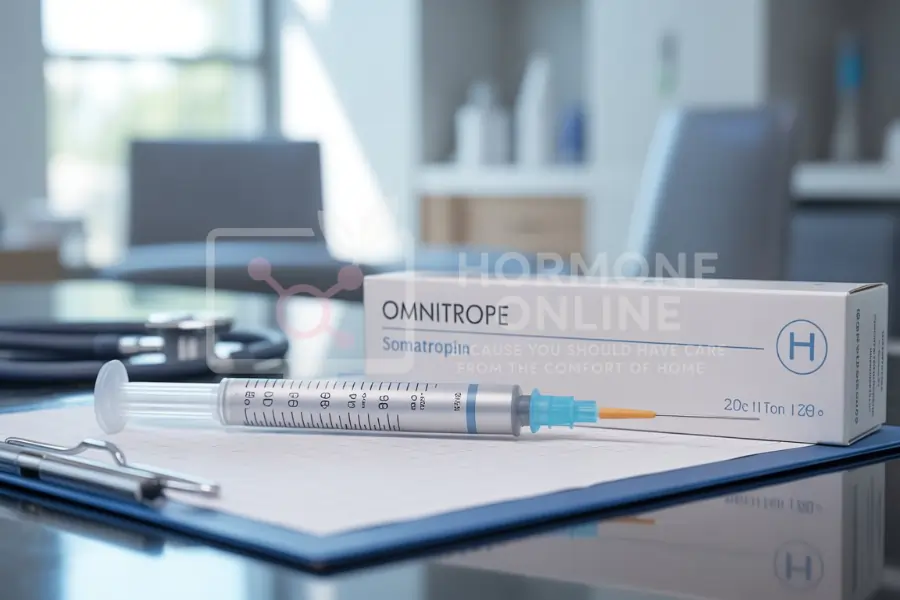
Growth hormone injections generally contain somatropin, a laboratory-produced form of human growth hormone. When prescribed for an appropriate medical condition, it can help replace or supplement growth hormone activity in the body.
Somatropin is usually administered as an injection under the skin. The prescribed dose, frequency, and duration depend on the patient’s age, diagnosis, response to treatment, and overall health.
Growth hormone is a prescription medication, not a general wellness supplement. It should only be used under appropriate medical supervision.
What Are Growth Hormone Injections Used For?
The approved uses of somatropin vary by product and country. In the United States, certain products are approved for specific pediatric growth disorders and growth hormone deficiency in adults.
1. Growth Hormone Deficiency in Children
Children who do not produce enough growth hormone may grow more slowly than expected. After evaluating a child’s growth pattern and medical history, a healthcare professional may recommend growth hormone treatment if a deficiency or another approved condition is confirmed.
Treatment may help support linear growth in eligible children. The response varies, and therapy requires regular monitoring by a qualified clinician, often a pediatric endocrinologist.
Growth hormone is not suitable for every child who is shorter than average. A clinician must determine the underlying cause and whether treatment is appropriate.
2. Growth Hormone Deficiency in Adults
Some adults have growth hormone deficiency that began in childhood, while others develop it because of pituitary gland or hypothalamic conditions, surgery, radiation, or other medical problems.
In appropriately diagnosed adults, growth hormone replacement may help improve body composition, exercise capacity, bone health, and certain measures of quality of life. The benefits and risks must be assessed individually.
Symptoms such as fatigue, reduced energy, changes in body composition, and lower exercise capacity can have many causes. These symptoms alone cannot confirm growth hormone deficiency.
3. Certain Other Medical Conditions
Depending on the specific medication and its approved labeling, somatropin may be used for certain other conditions, including growth failure associated with particular diagnoses. Some growth hormone products also have specific indications related to short bowel syndrome or HIV-associated wasting.
These uses are not interchangeable. A healthcare professional must confirm the diagnosis and select a treatment that is appropriate for the specific condition.
What Are the Potential Benefits of Growth Hormone Injections?
For people with a medically confirmed condition for which growth hormone is indicated, treatment may provide benefits related to that condition.
Potential benefits may include:
- Supporting growth in eligible children with certain growth disorders.
- Replacing deficient growth hormone in appropriately diagnosed adults.
- Improving some measures of body composition in adults with confirmed deficiency.
- Supporting bone health and exercise capacity in selected patients.
- Improving certain aspects of quality of life for some adults receiving appropriate replacement therapy.
Results are not guaranteed. Benefits depend on the diagnosis, treatment plan, individual response, and other health factors. Growth hormone injections should not be viewed as a universal solution for low energy, weight concerns, reduced muscle mass, or signs of aging.
Growth Hormone Injection Side Effects
Like other prescription medications, growth hormone injections can cause side effects. Some are relatively mild, while others require prompt medical attention.
The risk may depend on the dose, underlying health conditions, other medications, and how the body responds to treatment.
Common Side Effects
Possible side effects include:
- Pain, redness, swelling, or itching at the injection site.
- Headaches.
- Muscle or joint pain.
- Swelling in the hands, feet, ankles, or lower legs.
- Numbness, tingling, or unusual sensations in the hands or fingers.
- Changes in blood sugar regulation.
Not everyone experiences these effects. Report persistent, worsening, or concerning symptoms to your prescribing healthcare professional rather than changing the dose on your own.
Serious Side Effects
Some reactions can be serious and need urgent medical assessment.
Seek urgent medical care if you experience symptoms such as:
- Severe or persistent headache with changes in vision, nausea, or vomiting.
- Signs of a serious allergic reaction, including difficulty breathing or swelling of the face, lips, tongue, or throat.
- Severe or persistent abdominal pain, especially with nausea or vomiting.
- Significant or rapidly worsening swelling.
- New or worsening problems with vision.
Growth hormone treatment can also affect glucose metabolism and may increase blood sugar in some patients. Clinicians may need to monitor blood glucose, thyroid function, growth hormone response, and other health measures depending on the patient’s circumstances.
This list is not exhaustive. Follow the medication’s patient information and contact a healthcare professional about any unexpected symptoms.
Who Should Be Cautious About Growth Hormone Therapy?
Growth hormone injections are not appropriate for everyone. Before treatment begins, a healthcare professional should review your medical history, current medications, and potential risk factors.
Special consideration may be necessary for people with:
- Current or previous cancer, depending on the circumstances and product labeling.
- Diabetes or an increased risk of blood sugar problems.
- Certain pituitary or thyroid disorders.
- A history of serious illness, major surgery, or trauma.
- Certain eye complications associated with diabetes.
- Other conditions listed in the prescribing information for the specific product.
Some conditions may make treatment inappropriate or require additional monitoring. Do not assume growth hormone is safe for you based solely on your age, symptoms, or a single laboratory result.
Are Growth Hormone Injections Safe for Anti-Aging or Muscle Building?
Growth hormone levels naturally change with age. This has led to interest in HGH injections for muscle development, fat reduction, athletic performance, and anti-aging purposes.
However, growth hormone is not an established anti-aging treatment for otherwise healthy adults. Research has not shown that its potential benefits for healthy aging outweigh the risks. It may also cause fluid retention, joint discomfort, and problems with blood sugar regulation.
Growth hormone should not be used simply to reverse aging, improve appearance, or build muscle without an approved medical indication and appropriate medical oversight. Unsupervised use may expose people to unnecessary risks.
If your goals involve improving body composition, energy, or physical performance, discuss evidence-based options with a qualified healthcare professional. The best approach depends on your health, medications, and individual needs.
How Is Growth Hormone Deficiency Diagnosed?
A diagnosis should not be based on symptoms alone. Evaluation may involve several steps, depending on the patient’s age and medical history.
Medical History and Physical Examination
A healthcare professional may review growth patterns, previous diagnoses, symptoms, medications, and any history of pituitary or hypothalamic disease.
For children, growth charts and the rate of height increase are important. For adults, the clinician may consider relevant medical history and signs that suggest pituitary dysfunction.
Laboratory Testing
Testing may include blood tests and, when appropriate, specialized growth hormone stimulation testing. Because growth hormone is released in pulses, a single random growth hormone blood measurement is generally not enough to diagnose deficiency.
Additional testing may be required to assess other pituitary hormones or investigate the underlying cause.
Individualized Treatment Planning
If a deficiency or another approved indication is confirmed, a clinician can discuss whether growth hormone treatment is appropriate, what benefits may be expected, and which risks require monitoring.
Testing and treatment decisions should be made by qualified healthcare professionals with appropriate expertise.
What Should You Know Before Starting Growth Hormone Injections?
If a healthcare professional prescribes growth hormone injections, the following steps can help support safer use:
- Follow the prescribed dose. Never increase the dose or frequency without medical direction.
- Learn the correct injection technique. Ask your clinician or pharmacist to demonstrate the specific product’s instructions.
- Store the medication properly. Follow the product’s storage requirements and check its expiration date.
- Keep follow-up appointments. Monitoring helps the clinician assess treatment response and possible side effects.
- Discuss all medications and supplements. Some treatments may affect monitoring or require adjustments.
- Report new symptoms. Contact your healthcare professional if you notice unexpected or persistent changes.
- Use a legitimate prescription source. Avoid unverified sellers and products that claim to offer guaranteed results without medical evaluation.
Do not share injection pens, needles, or syringes. Follow the product instructions for safe disposal of used needles and other injection supplies.
Frequently Asked Questions About Growth Hormone Injections
How long does it take for growth hormone injections to work?
The timeline varies according to the condition being treated, the prescribed regimen, and the individual’s response. Changes may not be immediate, and some outcomes require months of monitoring. Your healthcare professional can explain what improvements are realistic for your diagnosis.
Can growth hormone injections help with weight loss?
Growth hormone is not a general weight-loss medication. Although it can affect body composition in certain patients with confirmed growth hormone deficiency, this does not mean it is an appropriate or safe weight-loss treatment for otherwise healthy adults.
People seeking weight management support should discuss evidence-based options with a qualified healthcare professional.
Do growth hormone injections increase muscle mass?
Growth hormone can influence body composition, particularly in people with confirmed deficiency who receive appropriate treatment. However, using HGH to build muscle in otherwise healthy adults is not an established safe or appropriate approach. Potential risks include fluid retention, joint symptoms, and impaired blood sugar regulation.
Can adults receive growth hormone injections?
Yes. Certain growth hormone products are approved for adults with confirmed growth hormone deficiency. Eligibility requires an appropriate clinical evaluation, and treatment should be individualized and monitored.
Are growth hormone injections the same as HGH supplements?
No. Prescription somatropin is a medication administered by injection. Products marketed as HGH supplements or “HGH boosters” may contain different ingredients and should not be assumed to have the same effects as prescription growth hormone.
Do growth hormone injections require regular monitoring?
Yes. The type and frequency of monitoring depend on the patient’s diagnosis, dose, medical history, and response. A clinician may assess symptoms, relevant laboratory results, blood sugar, thyroid function, and other measures when indicated.
Final Thoughts
Growth hormone injections can be an important treatment for people with specific, medically diagnosed conditions. However, they also carry potential side effects and are not appropriate for everyone.
Before considering HGH therapy, seek a professional evaluation to determine whether there is a medical indication, understand the possible benefits and risks, and establish a suitable monitoring plan. Avoid using growth hormone for anti-aging, weight loss, or muscle building without an approved medical indication.
At Hormone Online, our goal is to help people make informed decisions about hormone health. If you have questions about hormone-related care, speak with a qualified healthcare professional about your symptoms and appropriate next steps.
Learn more: Contact Hormone Online.
Medical Disclaimer
This article is for general educational purposes only and does not replace professional medical advice, diagnosis, or treatment. Growth hormone injections are prescription medications that may not be appropriate for everyone. Always consult a qualified healthcare professional before starting, changing, or stopping treatment. Seek urgent medical care for severe or potentially life-threatening symptoms.
Final Thoughts on Growth Hormone Therapy
Growth hormone injections can be a valuable tool for treating deficiencies and supporting healthy growth and metabolism. However, safety and effectiveness depend on proper medical guidance. Always consult a healthcare professional before starting HGH therapy and monitor for any potential side effects.
➡️ Start Your Virtual Consultation Today! / Hgh Therapy for Recovery Port Saint Lucie
Take the Next Step Toward Optimized Living
Your wellness journey doesn’t end here. It evolves with the right guidance, research, and support.